What Really Drives the Cost of Scaffolding Insurance in Australia (and How to Lower Your Premiums) The Real Reasons Scaffolders Pay More
Ja
What Really Drives the Cost of Scaffolding Insurance in Australia (and How to Lower Your Premiums) is not a theoretical question.
It is one scaffolder's confrontation every year at renewal, often when premiums jump, terms tighten, or insurers suddenly decline to quote.
Scaffolding insurance costs more in Australia because scaffolding is categorised as a high-severity, high-exposure trade, not because insurers are arbitrary or opportunistic. The price you pay is a reflection of how insurers assess height risk, injury potential, public exposure, and historical loss data across the scaffolding sector.
This article explains, clearly and honestly, how insurers actually calculate scaffolding insurance premiums, why certain businesses pay significantly more than others, and what scaffolders can do to legitimately reduce premiums without stripping protection.
No generic advice. No sales language. Just how the system works.
Why Scaffolding Insurance Is Expensive in Australia
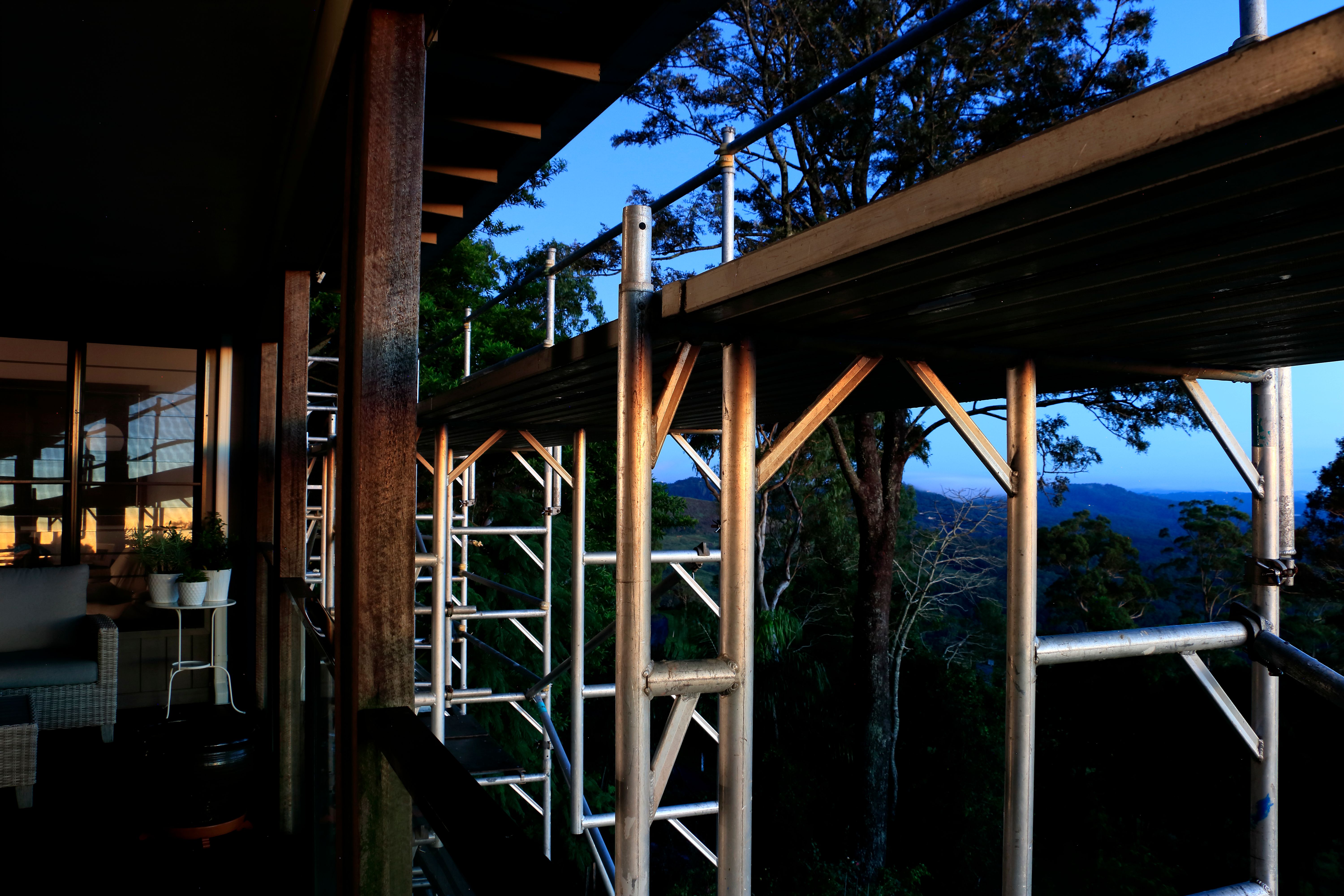
Scaffolding consistently sits at the upper end of insurance pricing across the Australian construction market. This is not accidental.
From an insurer’s perspective, scaffolding combines several risk factors that rarely appear together in other trades:
· Work at height
· Temporary structures
· Public interface
· Reliance on correct erection and ongoing stability
· Potential for catastrophic injury or death
· High legal costs when incidents occur
While claims may be less frequent than in some lower-risk trades, severity is the problem. When scaffolding claims occur, they tend to be expensive, complex, and long-running.
Insurers price scaffolding accordingly.
The Core Pricing Principle: Severity Beats Frequency
One of the most misunderstood aspects of scaffolding insurance pricing is the emphasis on severity rather than frequency.
From an underwriting perspective:
· A trade with frequent small claims can still be profitable.
· A trade with infrequent but catastrophic claims is not.
Scaffolding falls into the second category.
A single incident can involve:
· Serious injury or fatality
· Multiple injured parties
· Structural collapse
· Damage to neighbouring property
· Legal action involving principals, builders, councils, or government bodies
This is why insurers apply:
· Higher base rates
· Higher minimum premiums
· Conservative assumptions where information is unclear
Height Exposure: The Single Biggest Cost Driver
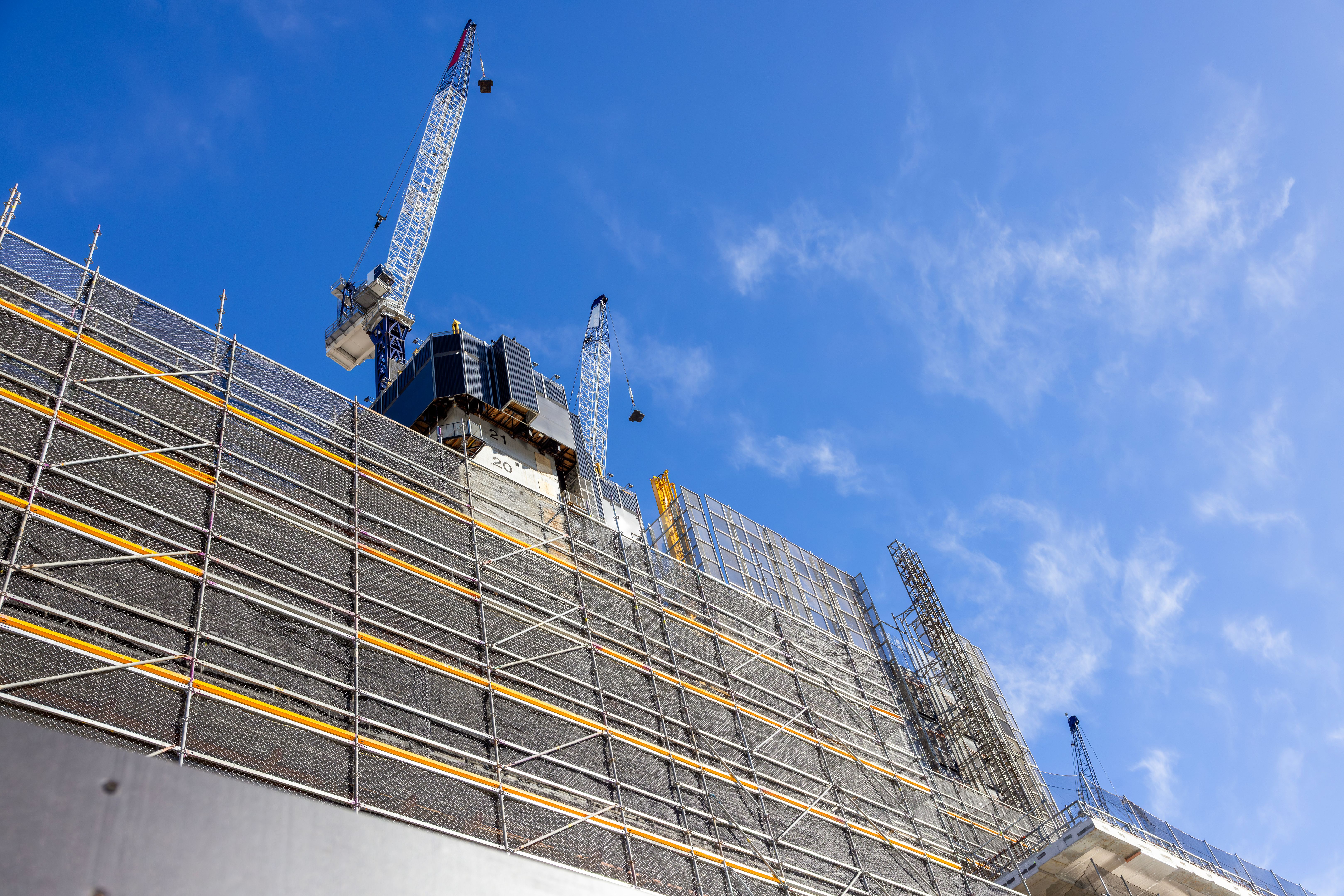
Height is the dominant variable in scaffolding insurance pricing.
Insurers do not treat scaffolding as a uniform activity. They break it down by:
· Maximum working height
· Type of scaffolding erected
· Duration structures remain in place.
· Location and environment
As height increases, insurers assume:
· Increased injury severity
· Higher fatality risk
· Greater likelihood of structural failure causing third-party damage
Even scaffolders with excellent safety records are priced higher once certain height thresholds are exceeded.
In short:
Higher height = higher assumed loss severity = higher premium.
Public Interface and Third-Party Exposure
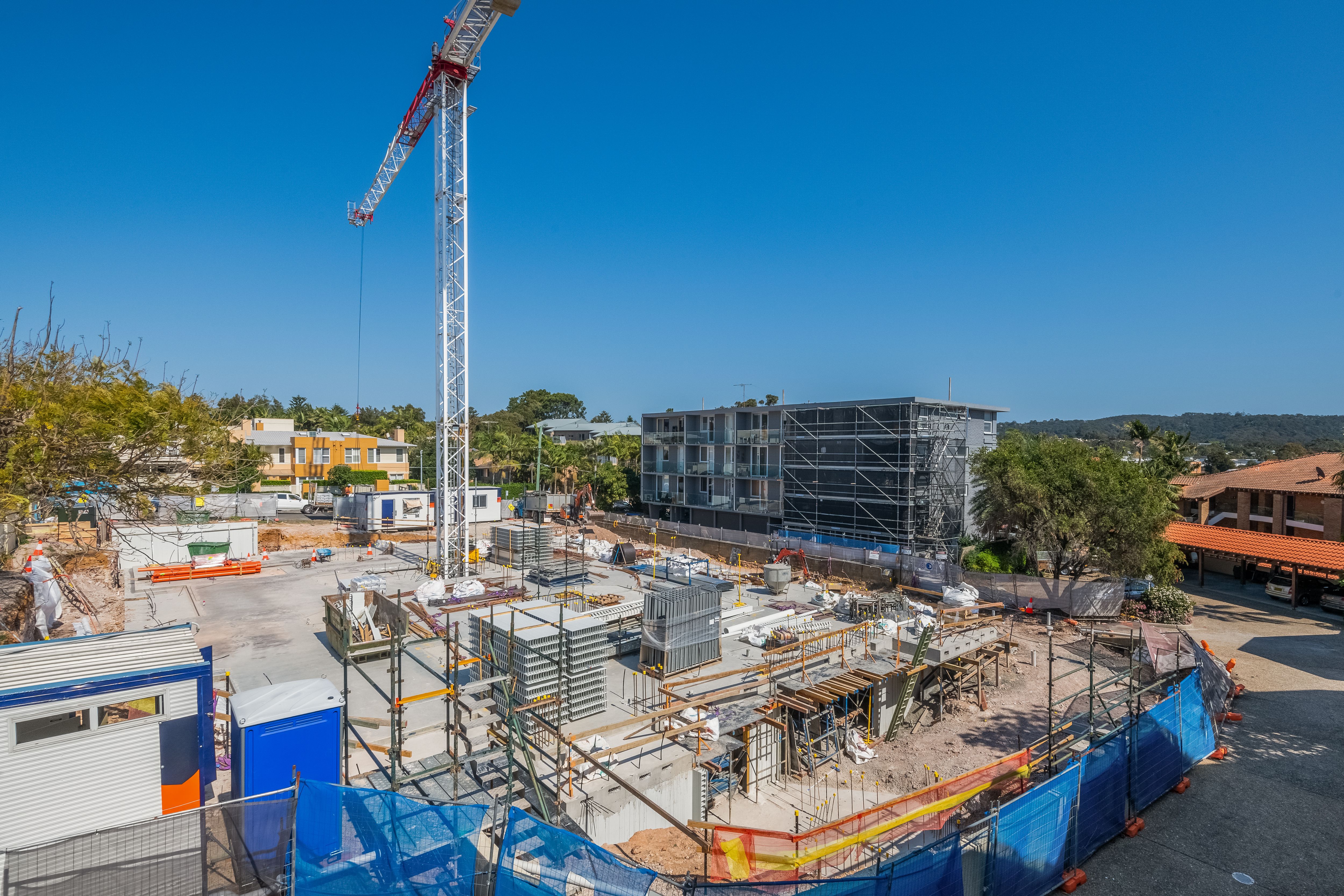
Scaffolding rarely exists in isolation. It is commonly erected:
· On live construction sites
· Near footpaths or roads
· Adjacent to occupied buildings
· In public or semi-public spaces
This creates third-party exposure, which insurers treat very seriously.
Claims involving members of the public tend to be:
· Legally complex
· Emotionally charged
· Expensive to defend
· Difficult to settle quickly
Insurers factor this exposure directly into pricing, even when no claims have occurred.
Claims History: How Past Incidents Shape Future Premiums
Claims history remains one of the most influential pricing factors in scaffolding insurance.
Insurers review:
· Number of claims
· Nature of claims
· Cost of claims
· Recency
· Patterns or trends
Importantly, insurers do not differentiate strongly between:
· “At fault” claims
· “No fault” claims
· Claims that were defended successfully
From an underwriting standpoint, a claim signals risk manifestation, not moral responsibility.
Why One Claim Can Affect Pricing for Years
Scaffolding claims often involve:
· Long investigation periods
· Ongoing medical costs
· Protracted legal proceedings
This means insurers may not know the true cost of a claim for several years. Until finalised, insurers price conservatively.
Public Liability Limits and Premium Impact
Most scaffolders are required by contracts, principals, or regulations to hold $10 million or $20 million public liability insurance.
Higher limits increase premiums because:
· Insurers face greater potential payouts.
· Capital requirements increase
· Reinsurance costs rise
Because scaffolding claims can escalate rapidly, insurers apply significant pricing loadings at higher limits compared to lower-risk trades.
This is why scaffolders often see disproportionately higher premiums even at modest turnover levels.
Turnover: Important, But Not Decisive
Turnover matters, but it is not the dominant factor that scaffolders often assume it is.
Insurers use turnover as:
· A proxy for activity level
· An exposure indicator
However, two scaffolders with identical turnover can receive vastly different premiums depending on:
· Height exposure
· Claims history
· Type of work
· Risk controls
· How the risk is presented
Low turnover does not automatically mean low premiums in scaffolding.
Business Structure and Workforce Controls
Insurers assess how scaffolding work is performed, not just what is performed.
Key considerations include:
· Number of employees
· Use of subcontractors
· Labour hire arrangements
· Supervision structure
· Training and licensing controls
Poorly defined workforce arrangements increase perceived risk and raise premiums.
Safety Systems and Risk Management (Why Paperwork Matters)
Insurers are not impressed by verbal assurances.
They assess:
· Formal safety documentation
· Consistency of procedures
· Incident reporting practices
· Evidence of risk awareness
Strong safety systems do not eliminate premiums, but they prevent additional loadings and help insurers justify competitive terms internally.
How Insurers Actually Price Scaffolding Insurance
Scaffolding insurance pricing typically involves:
· A higher base rate than standard construction trades
· Loadings for height and exposure
· Adjustments for claims history
· Minimum premiums regardless of size
· Market-wide appetite constraints
This explains why scaffolders often receive:
· Fewer quotes
· Higher excesses
· More restrictive terms
It is not personal. It is structural.
Common Mistakes That Inflate Scaffolding Insurance Premiums
Many scaffolders unintentionally increase their premiums through avoidable errors, including:
· Vague business descriptions
· Failing to specify maximum heights
· Not separating different types of work.
· Incomplete proposal forms
· Rushing to market without preparation
Insurers price uncertainty aggressively. If details are missing, insurers assume worst-case scenarios.
How to Lower the Cost of Scaffolding Insurance (What Actually Works)
There are only a few strategies that genuinely reduce premiums over time:
1. Clarify Height Exposure
Be precise. Ambiguity leads to conservative pricing.
2. Separate Risk Categories
Differentiate lower-risk work from higher-risk work where possible.
3. Maintain Clean Claims Histories
Even small claims have long-term consequences.
4. Present Risks Professionally
How a risk is presented directly influences insurer confidence.
5. Use Specialist Scaffolding Insurance Brokers LIKE US :)
Specialists understand insurer appetite, language, and triggers.
Why Specialist Scaffolding Insurance Brokers Matter
Scaffolding insurance is not a commodity product.
Generalist brokers often:
· Misclassify scaffolding risks
· Over-simplify descriptions
· Miss underwriting nuances
· Trigger unnecessary loadings
Specialist brokers understand:
· How insurers think about height risk
· What details reduce uncertainty
· Which insurers are appropriate
· How to protect long-term insurability
This directly impacts cost.
What to Prepare Before Requesting a Quote
Before approaching insurers, scaffolders should prepare:
· Clear business descriptions
· Maximum working heights
· Breakdown of work types
· Safety documentation
· Claims explanations
Preparation reduces friction and friction costs money.
Frequently Asked Questions
Why is scaffolding insurance so expensive in Australia?
Because scaffolding involves height, public exposure, and high-severity claims.
Does working residential scaffolding lower premiums?
Sometimes, but only if height and exposure are genuinely lower.
Can premiums ever be reduced after a claim?
Yes, but it can take several years without a claim.
Is cheaper scaffolding insurance risky?
Often. Cheap policies may contain exclusions or unsuitable terms.
Does safety documentation really influence pricing?
Yes. It reduces perceived risk and prevents loadings.
Control the Narrative, Control the Cost
Scaffolding insurance premiums are not random. They are the result of how insurers assess risk, severity, and exposure.
The scaffolders who pay the least are not the luckiest—they are the best prepared, best presented, and best understood by insurers.
Understanding what really drives the cost of scaffolding insurance in Australia (and how to lower your premiums) gives you leverage. And in a high-risk industry, leverage matters.
If you want your scaffolding insurance priced on facts instead of assumptions, speak with a specialist who understands scaffolding risk from an insurer’s perspective.
And if this article helped clarify how scaffolding insurance really works, share it with another scaffolder, because informed businesses make better decisions.