Top 10 Scaffolding Claims and How to Prevent Them
Ja
A Practical, Insurance-Focused Guide for Australian Scaffolding Businesses
Scaffolding is essential to construction in Australia—but it remains one of the most claim-heavy, closely scrutinised trades in the insurance and safety landscape. The Top 10 Scaffolding Claims and How to Prevent Them are not random events or rare accidents. They follow consistent patterns that regulators, insurers, and safety authorities see repeatedly across worksites.
This article breaks down those claim types in detail, explains how they actually arise, and critically shows how they can be prevented using controls already recognised across Australian scaffolding safety guidance. It is written for scaffolding contractors, business owners, supervisors, and anyone responsible for managing risk, compliance, and insurance exposure.
Understanding the Top 10 Scaffolding Claims and How to Prevent Them is not just about safety. It directly affects:
· Workers compensation outcomes
· Public liability exposure
· Insurance premiums and insurability
· Business continuity and reputation

Why Scaffolding Claims Are So Common in Australia
Australian safety authorities consistently identify scaffolding as a high-risk activity, primarily because it combines:
· Work at height
· Temporary structures
· Ongoing assembly, alteration, and dismantling
· Interaction with multiple trades
· Exposure to weather and environmental conditions
Claims often do not result from a single dramatic failure. Instead, they emerge when basic controls are missing, weakened, or ignored. From an insurance perspective, the same claim types appear repeatedly because the same hazards are repeatedly underestimated.
The Top 10 Scaffolding Claims and How to Prevent Them reflect those recurring hazards.
1. Falls From Height – Australia’s Most Common Scaffolding Claim
Falls from height are the leading cause of serious scaffolding injuries and the most frequent source of insurance claims involving scaffolding.
How These Claims Typically Occur
Falls usually result from one or more of the following conditions:
· Missing or incomplete guardrails
· Unsecured or poorly fitted planks
· Slippery platforms
· Unsafe access points
· Workers overreaching or moving outside the platform.
Even falls from relatively low heights can cause significant injuries, leading to:
· Workers compensation claims
· Extended time off work
· Permanent impairment assessments
From an insurer’s perspective, fall claims often raise questions about whether basic safety systems were in place at the time of the incident.
How to Prevent Fall-Related Claims
Australian scaffolding safety guidance consistently highlights the same controls:
· Fully installed guardrail systems
· Properly secured working platforms
· Clearly defined access and egress points.
· Regular inspection of scaffold condition
· Immediate repair or isolation of unsafe scaffolds
Falls are rarely unavoidable. In most claims, the underlying issue is not worker behaviour, it is missing physical protection.
2. Scaffold Collapse and Structural Failure Claims
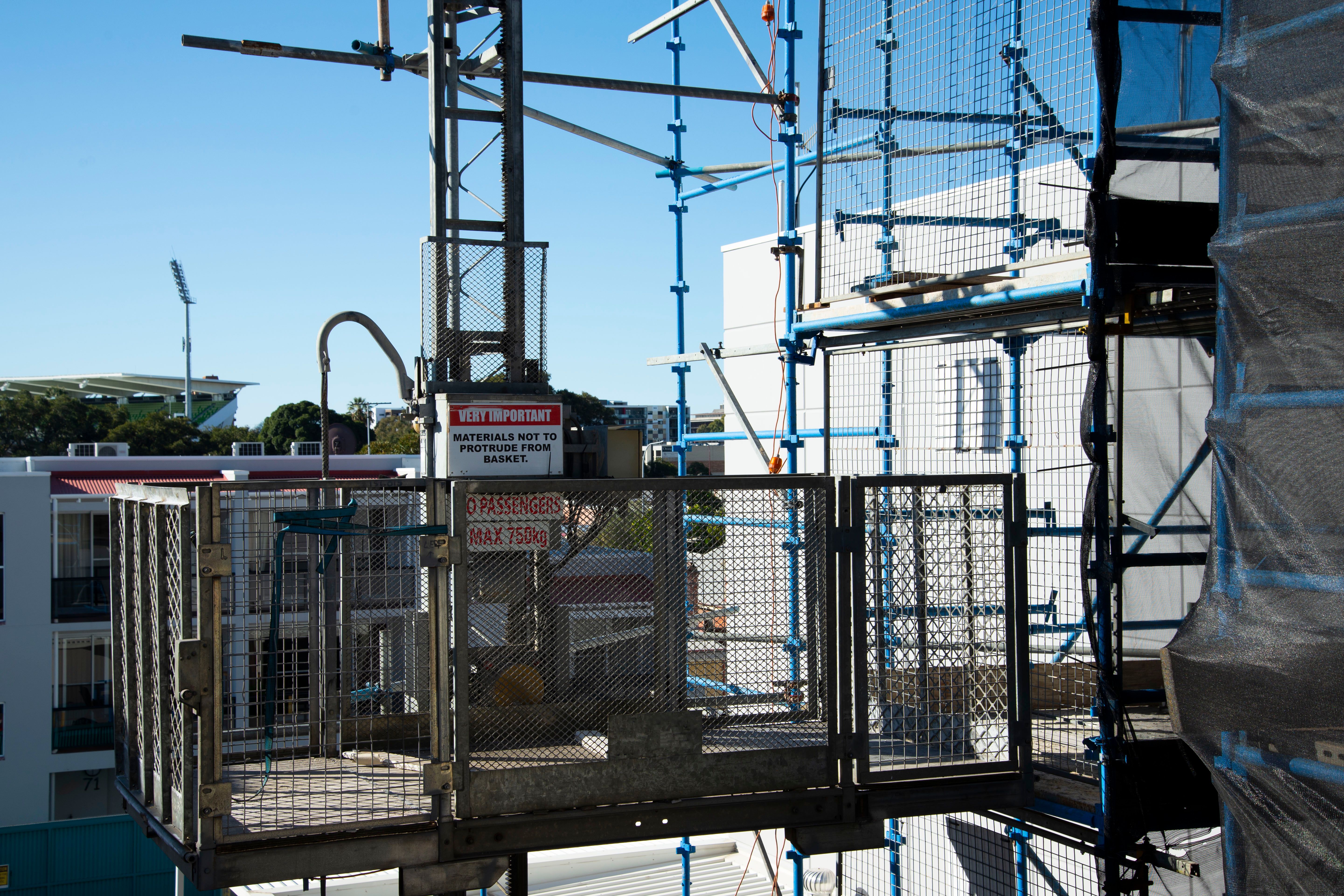
Scaffold collapses are less frequent than falls, but when they occur, they are among the most severe and costly scaffolding claims.
How Collapse Claims Arise
Collapse claims stem from:
· Incorrect erection
· Overloading platforms
· Inadequate foundations or footings
· Unauthorised modifications
· Failure to properly secure or tie scaffolding
Because scaffolds are temporary structures, their integrity depends entirely on correct assembly and ongoing control. When those controls fail, collapse can occur without warning.
Why These Claims Are Serious for Insurance
Collapse incidents often involve:
· Multiple injured workers
· Damage to the surrounding property
· Potential injury to the public
Insurers view collapse claims as indicators of systemic risk management failure, not isolated mistakes.
Prevention Measures
Prevention focuses on fundamentals:
· Scaffolds erected by competent persons
· Platforms loaded within design limits
· Stable, level foundations
· No unauthorised alteration or removal of components
· Ongoing inspection and supervision
From an insurance standpoint, adherence to these basics is non-negotiable.
3. Falling Objects and Dropped Materials Claims
Falling objects are a major source of public liability claims, particularly on busy or urban worksites.
How These Claims Occur
Common scenarios include:
· Tools left unsecured on platforms.
· Materials stacked near edges.
· Absence of toe boards or containment
· Workers or pedestrians below active scaffold zones
Unlike many scaffolding injuries, falling object claims often involve individuals who are not employed by the scaffolding contractor, thereby increasing legal and financial exposure.
Preventing Falling Object Claims
Recognised prevention controls include:
· Installing toe boards on working platforms
· Using mesh or containment where required
· Securing tools and materials
· Establishing exclusion zones beneath scaffolded areas
· Maintaining strong housekeeping standards
Insurers pay close attention to how contractors manage dropped-object risk, as these claims can escalate quickly.
4. Inadequate Guardrails, Planks, and Edge Protection
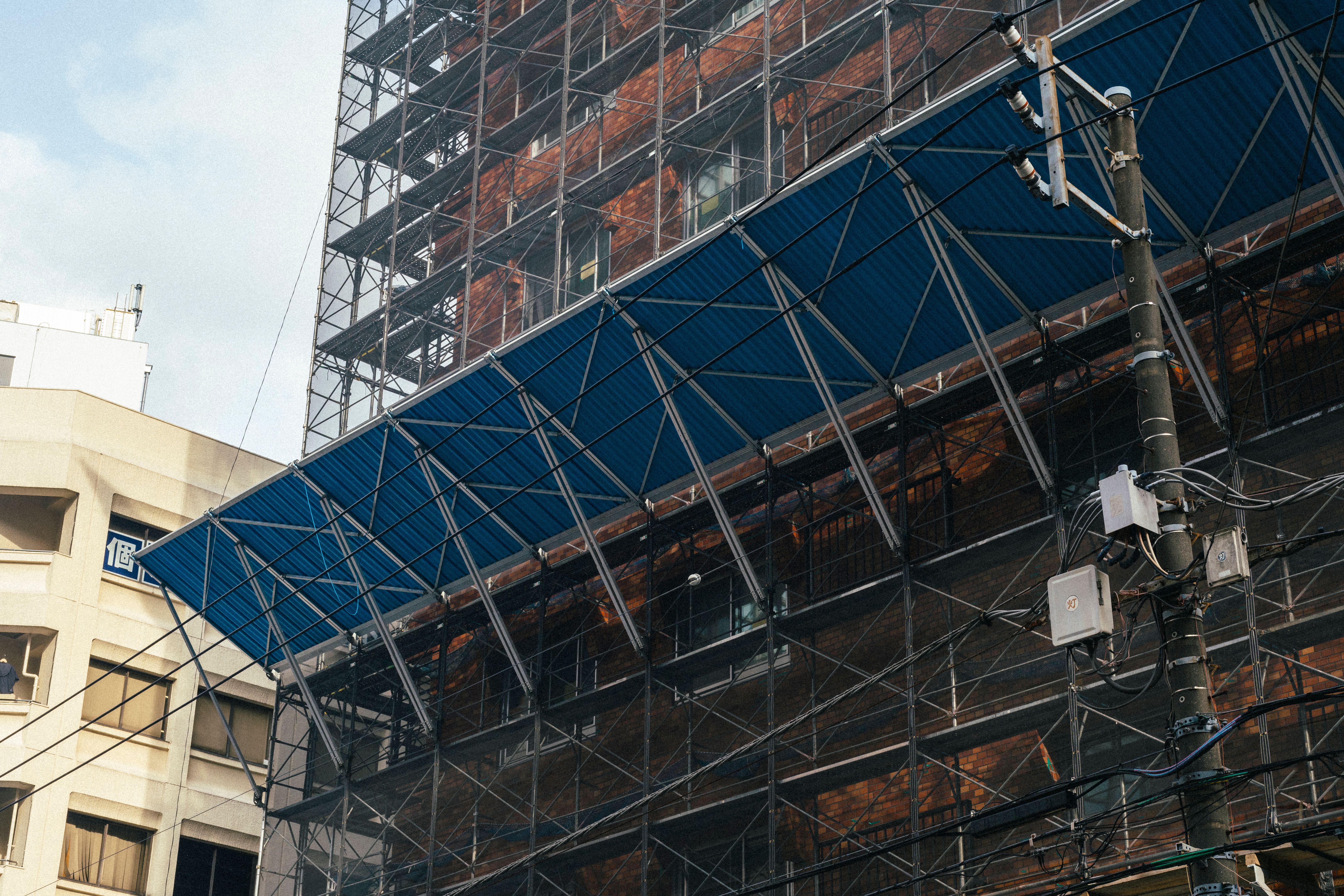
This claim category overlaps with falls but remains one of the most common compliance-related failure points in scaffolding incidents.
How This Risk Develops
Claims arise when:
· Guardrails are missing, incomplete, or removed.
· Planks are damaged, unsuitable, or incorrectly fitted.
· Temporary gaps are left unprotected.
Often, these issues occur because:
· Work is rushed
· Scaffolds are partially dismantled.
· Controls are removed “temporarily” and not replaced.
Prevention Focus
Prevention is straightforward but requires discipline:
· Guardrails must remain in place whenever a platform is in use.
· Only purpose-designed scaffold planks should be used.
· Damaged components must be replaced immediately.
· Supervisors must enforce compliance consistently.
From an insurance perspective, missing edge protection is one of the clearest indicators of elevated risk.
5. Incorrect Assembly, Modification, or Dismantling
Many serious scaffolding claims occur during erection or dismantling, rather than during normal use.
How These Claims Happen
Risk factors include:
· Workers assisting without appropriate training.
· Informal or unauthorised changes
· Lack of supervision during alterations
· Rushed dismantling at project completion
Scaffolding structures are most vulnerable when incomplete, making these stages particularly dangerous.
Prevention Strategies
Key prevention principles include:
· Only competent workers should erect or dismantle scaffolds.
· Clear procedures must be followed.
· Any modification must be assessed and approved.
· Adequate supervision must be maintained at all times.
Unauthorised changes are a common thread in many high-severity claims.
6. Electrical Contact and Overhead Hazard Claims
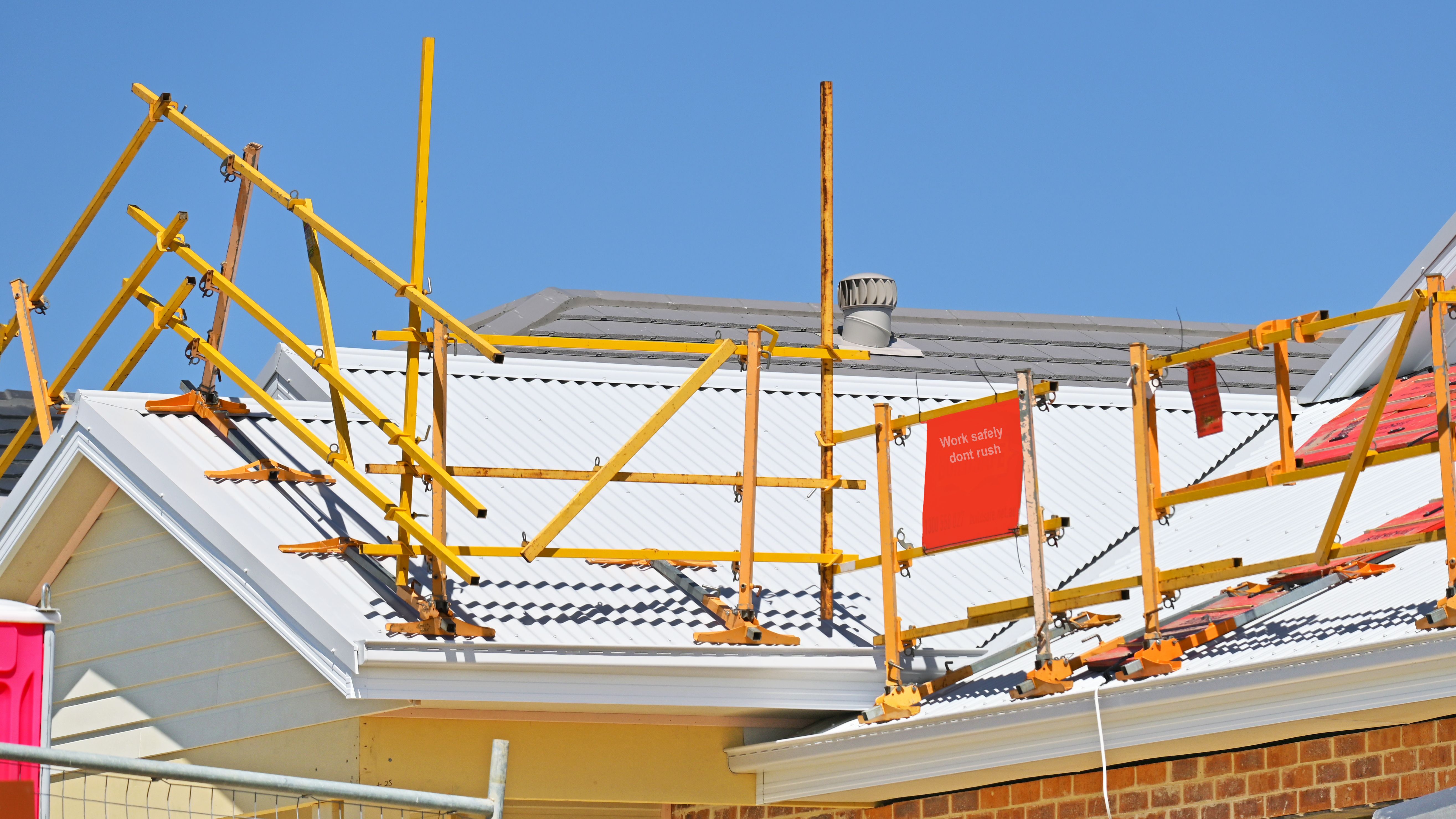
Electrical hazards remain a significant cause of serious scaffolding injuries.
Typical Claim Scenarios
Electrical claims often involve:
· Scaffolding erected too close to overhead power lines.
· Failure to identify live services
· Inadequate clearance distances
Contact with electricity can result in catastrophic injuries, making these claims particularly severe.
How to Prevent Electrical Claims
Prevention measures include:
· Identifying overhead services before erection
· Maintaining required clearance distances
· Using appropriate controls around electrical hazards
· Coordinating with site management
From an insurance perspective, failure to manage electrical risks is viewed as a major breach of duty.
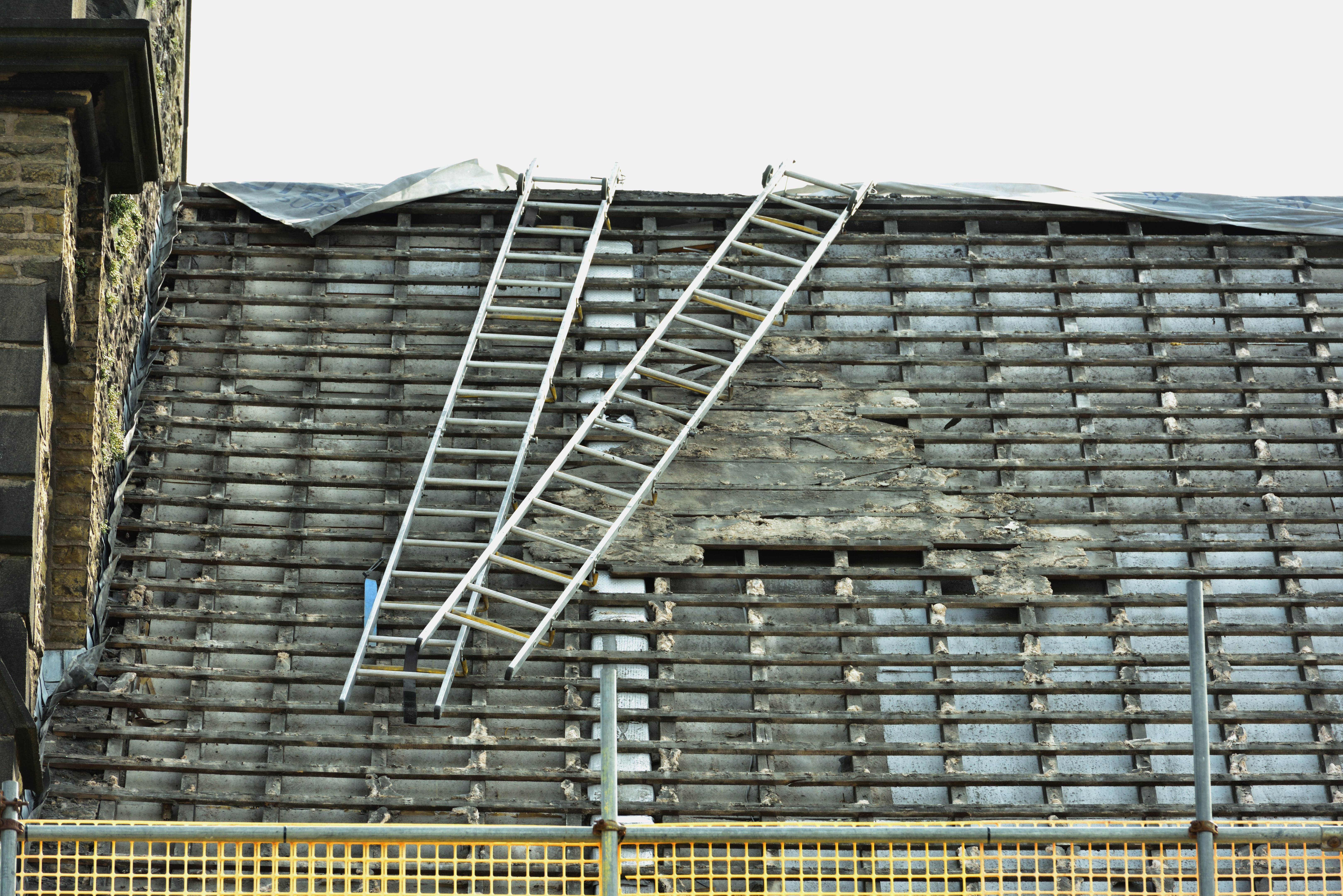
7. Unsafe Access, Egress, and Ladder-Related Claims
A significant number of injuries occur while accessing or leaving scaffolding, not while working on it.
How These Claims Occur
Common causes include:
· Improvised access routes
· Damaged or unsecured ladders
· Poorly positioned entry points
· Workers climbing scaffold frames
These incidents are often preventable but easily overlooked.
Prevention Measures
Controls include:
· Providing designated access systems
· Securing ladders correctly
· Keeping access points clear
· Prohibiting climbing outside the designated access
Insurers consider safe access a baseline requirement, not an optional extra.
8. Weather-Related Scaffolding Claims
Australia’s climate creates unique challenges for scaffolding safety.
Weather-Driven Risks
Claims often arise during:
· Wet or slippery conditions
· High winds affecting scaffold stability
· Extreme heat impacting worker performance.
Prevention Strategies
Effective controls include:
· Suspending work during unsafe weather
· Securing scaffolds against wind
· Monitoring conditions throughout the day
· Training workers to recognise unsafe environments
Continuing work during unsafe conditions is a common factor in weather-related claims.
9. Poor Training, Supervision, and Competency Gaps
Training and supervision failures underpin many scaffolding claims.
Why This Matters
Without adequate training:
· Hazards go unrecognised
· Unsafe practices become normalised.
· Supervisors fail to intervene.
From an insurance standpoint, poor supervision often signals systemic risk rather than individual error.
Prevention Measures
Prevention requires:
· Ensuring workers are competent for their tasks
· Providing ongoing safety instruction
· Actively supervising scaffold use and modification.
Training records and supervision practices are frequently examined after serious incidents.

10. Failure to Inspect and Maintain Scaffolding
Uninspected scaffolding is a predictable source of claims.
How These Claims Develop
Issues include:
· Worn or damaged components
· Loose fittings
· Undetected structural issues
When inspections are skipped, small defects escalate into major incidents.
Prevention Focus
Effective prevention includes:
· Regular scaffold inspections
· Documenting inspection outcomes
· Removing unsafe scaffolds from service immediately
Inspection failures often feature prominently in insurance investigations.
How Insurers Assess Scaffolding Risk in Australia
From an insurance perspective, scaffolding businesses are assessed based on:
· Height exposure
· Safety systems in place
· Training and competency
· Supervision and inspection practices
· Claims history
Businesses that actively address the Top 10 Scaffolding Claims and How to Prevent Them are consistently viewed as lower risk and more insurable.
Prevention Is the Strongest Protection
The Top 10 Scaffolding Claims and How to Prevent Them tells a consistent story. Most scaffolding claims are not freak accidents. They arise from well-known hazards, repeat patterns, and preventable failures.
By focusing on proper installation, supervision, inspection, and training, scaffolding businesses can:
· Reduce injuries
· Protect workers
· Lower insurance exposure
· Strengthen long-term viability
In scaffolding, prevention is not just about safety, it is about protecting your business.
Frequently Asked Questions
What is the most common scaffolding insurance claim in Australia?
Falls from height remain the most common and severe scaffolding-related claims.
Do scaffolding claims affect insurance premiums?
Yes. Claims history plays a major role in premium pricing and insurer appetite.
Are falling object incidents covered by insurance?
Coverage depends on policy terms, but falling object claims often trigger public liability policies.
Why do insurers focus so heavily on training and supervision?
Training and supervision failures are common root causes of serious claims.
Can weather-related incidents be prevented?
Many weather-related claims occur when work continues despite unsafe conditions.
If you operate scaffolding in Australia, understanding risk is not optional.
Review your scaffolding safety controls today and ensure your business is protected against the claims that matter most.
Speak with a scaffolding insurance specialist like us, to understand how your risk profile affects cover, pricing, and long-term insurability.