Scaffolding Insurance for Small Contractors: What Coverage Do You Really Need?
Ja
Scaffolding Insurance for Small Contractors: What Coverage Do You Really Need? It’s a question many Australian scaffolders only ask after something goes wrong—an injury on site, a damaged building façade, or a contract dispute that suddenly turns into a legal claim. Scaffolding is one of the most exposed trades in the construction industry, and for small contractors, the margin for error, financially and legally, is thin.
Unlike larger scaffolding companies with in-house risk teams and layered insurance programs, small scaffolding contractors often operate lean. You’re juggling quoting, labour, compliance, equipment, and tight deadlines—insurance can easily feel like a box-ticking exercise. But in the scaffolding industry, the wrong cover, the wrong limits, or the wrong policy wording can shut a business down overnight. This is why insurers classify scaffolding as a high-risk occupation and why contracts, builders, and principal contractors scrutinise scaffolding insurance more heavily than almost any other trade.
The challenge is not just having scaffolding insurance, it’s understanding what cover you actually need, what’s excessive, and what dangerous gaps are commonly overlooked. Public liability limits, subcontractor exposure, height restrictions, equipment risks, and design responsibility all play a role, and small contractors are often underinsured without realising it.
This guide breaks down scaffolding insurance from a small contractor’s perspective. No generic trade advice. No insurer jargon. Just a clear, practical explanation of the covers that matter most, why they matter, and how to structure scaffolding insurance that actually stands up when a claim happens—within the realities of the Australian scaffolding industry.
Why Scaffolding Insurance Is Not Optional for Small Contractors
For small scaffolding contractors, insurance is often viewed as a compliance requirement, something needed to get on site, satisfy a principal contractor, or tick a box in a contract. But in the scaffolding industry, insurance is not just administrative. It is foundational to whether your business survives a serious incident.
Scaffolding work sits in a category of its own within construction. It involves working at height, temporary structures, multiple trades operating around your work, and constant interaction with the public, surrounding properties, and other contractors. These factors combine to create a risk profile that insurers consistently classify as high risk, regardless of whether the business is a sole trader or a large scaffolding company.
One of the biggest misconceptions among small scaffolding contractors is that being “small” somehow limits exposure. In reality, the size of the business has very little to do with the size of a potential claim. A single scaffold failure, dropped component, or access-related incident can result in serious injury, property damage, or legal action totalling millions. The financial consequences are the same whether you employ two people or twenty.
Another common issue is delayed awareness. Many scaffolders only discover their insurance gaps after a claim is lodged—when an insurer questions height limits, subcontractor arrangements, scope of works, or exclusions buried deep in the policy wording. By that point, it is often too late to fix. This is particularly problematic for small contractors operating on tight margins and unable to absorb uninsured losses.
Contracts further complicate the picture. Builders, developers, councils, and principal contractors frequently impose strict insurance requirements on scaffolders, including minimum public liability limits, specific endorsements, and evidence of cover via certificates of currency. Failing to meet these requirements can mean lost work, delayed payments, or contract termination. Yet meeting them without understanding what the policy actually covers can create a false sense of security.
Scaffolding insurance, when structured properly, does more than satisfy contractual obligations. It protects income, business assets, and personal financial security. For small contractors, where the business and personal finances are often closely linked, this distinction is critical. Insurance is not an overhead—it is a risk management tool that keeps the business viable when something inevitably goes wrong.
Understanding the Unique Risk Profile of Small Scaffolding Contractors
To understand what insurance coverage is truly necessary, it’s essential to understand how insurers view scaffolding risk—and why small contractors are often more exposed than they realise.
Scaffolding combines several high-risk elements into a single trade. The work involves erecting, modifying, and dismantling temporary structures that are relied upon by multiple parties, often simultaneously. These structures must support workers, materials, and equipment, sometimes at significant heights, and often in dynamic environments where conditions change daily.
Insurers assess scaffolding risk based on activity rather than business size. Whether the contractor is a sole trader or a company, the core risks remain the same: falls from height, falling objects, structural instability, and interaction with third parties. These risks are amplified when scaffolding is installed in public areas, commercial sites, or multi-trade environments.
Small scaffolding contractors often face additional challenges that increase risk from an insurance perspective:
· They may subcontract labour or engage casual workers without fully understanding how this affects their insurance obligations.
· They often work across a mix of residential, commercial, and industrial sites, each with different risk profiles.
· Disputes between scaffolders, builders, and head contractors are becoming more common, especially when contracts include clauses such as "hold harmless" or "indemnity." They might also mistakenly think the head contractor is fully responsible for certain risks, when in fact insurance policies often share or transfer these liabilities between parties.

Insurers also look closely at how scaffolders describe their business activities. Broad or inaccurate descriptions can lead to mismatches between what the contractor actually does and what the policy covers. For example, activities involving higher working heights, complex access solutions, or involvement in design or modification may attract different underwriting treatment than basic residential scaffolding.
Another critical factor is subcontractor exposure. According to Service Central, many small scaffolding businesses in Australia use subcontractors to handle varying workloads, often hiring licensed and insured professionals as needed. From an insurer’s perspective, this introduces additional layers of risk—particularly if subcontractors are uninsured, underinsured, or incorrectly classified. Failure to declare subcontractor usage accurately can result in coverage disputes at claim time.
Importantly, scaffolding claims tend to be high-severity rather than high frequency. This means claims may not happen often, but when they do, they are serious. Injuries resulting from falls from height or structural failure can lead to long-term consequences, prolonged legal proceedings, and significant damages. Insurers price and structure policies accordingly, and small contractors must align their coverage with this reality rather than relying on minimum limits or generic trade policies.
Understanding this risk profile is the first step toward selecting insurance that actually responds when needed—rather than discovering after the fact that the policy was never designed for scaffolding work in the first place.

Public & Products Liability Insurance: The Foundation of Scaffolding Cover
Public and products liability insurance forms the backbone of scaffolding insurance for small contractors. It is also the area where misunderstandings, underinsurance, and incorrect assumptions are most common.
At its core, public liability insurance protects scaffolding contractors against claims arising from personal injury or property damage suffered by third parties resulting from the contractor’s activities. In scaffolding, “third parties” can include pedestrians, neighbouring property owners, other trades, site visitors, and even clients themselves.
What makes scaffolding liability particularly complex is the nature of the work. Scaffold structures are temporary but are relied upon daily. Multiple parties may use them, modify access points, or load materials onto them. Despite this, liability can still be traced back to the scaffolding contractor, especially if allegations are made regarding erection, stability, maintenance, or dismantling.
For small scaffolding contractors, public liability claims commonly arise from scenarios such as:
· Components falling from height and damaging property or injuring bystanders
· Scaffold collapse or partial failure
· Obstructed access causing injury
· Damage to buildings, facades, or services during installation or removal
· Incidents involving unauthorised use of scaffolding by third parties
Products liability is often included alongside public liability and relates to injury or damage caused by products supplied or installed as part of the scaffolding work. In scaffolding, this distinction can blur, which is why combined public and products liability policies are standard in the industry.
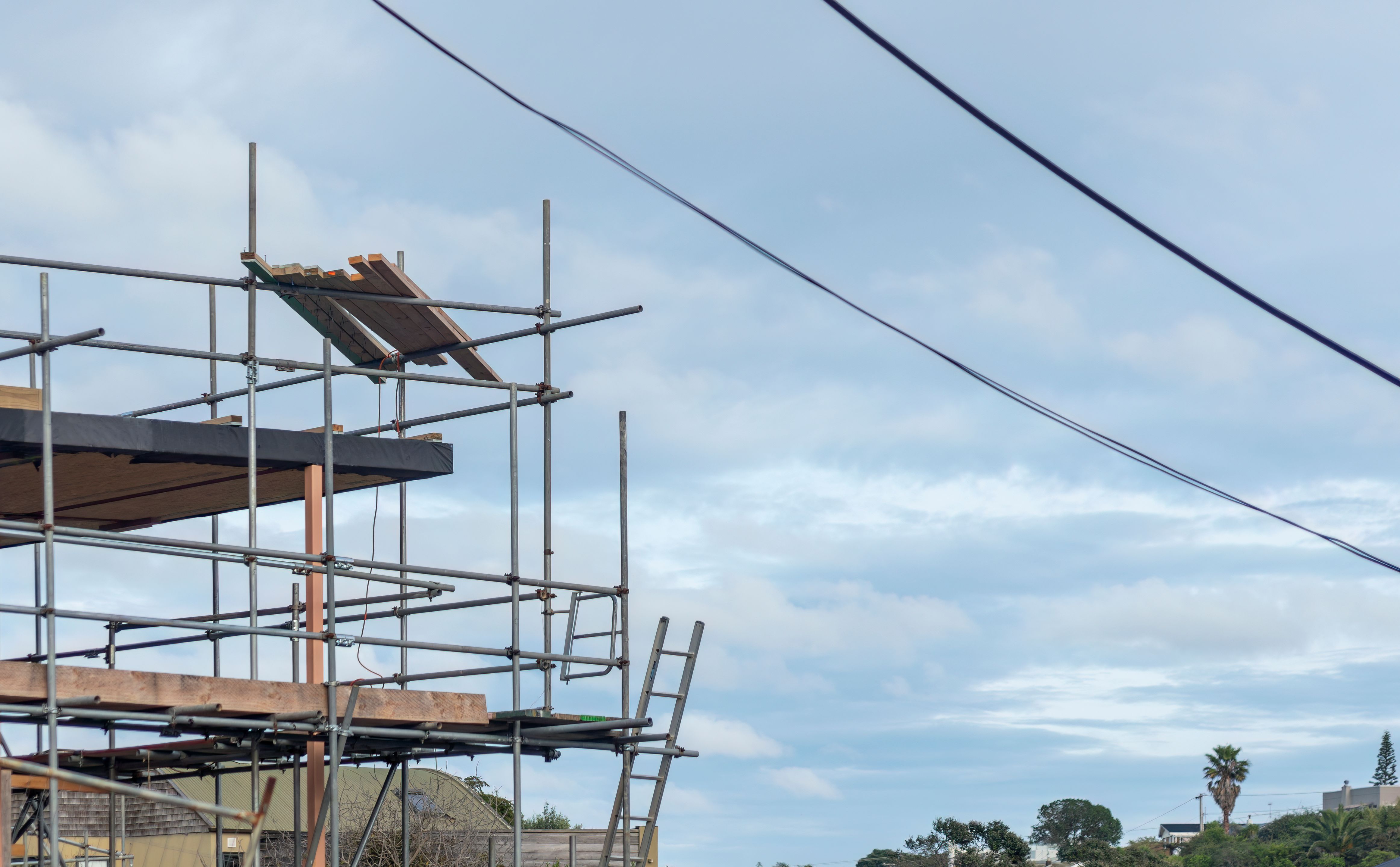
One of the most critical considerations is the level of cover. Scaffolding remains a high-risk business because work is performed on temporary structures at significant heights, so the severity of potential claims does not necessarily decrease for small contractors who choose lower insurance limits. A serious injury claim can quickly exceed basic liability limits, particularly where long-term injury, legal costs, and multiple parties are involved. This is why many contracts specify minimum liability limits for scaffolders, regardless of business size.
Another key issue is policy exclusions and conditions. Scaffolding policies often include specific endorsements relating to height limits, types of scaffolding, and activities performed. If a contractor works outside these declared parameters—even unintentionally—the insurer may dispute the claim. This is a common pitfall for small contractors who take on work slightly outside their usual scope without updating their insurance.
Subcontractor liability also plays a significant role. If subcontractors are engaged, the principal scaffolding contractor may still be held liable for their actions. Insurers expect subcontractor usage to be declared accurately, including the proportion of work subcontracted. Failure to do so can compromise coverage.
Finally, contractual liability must be considered. Many scaffolding contracts include indemnity clauses that shift risk onto the scaffolding contractor. Public liability insurance must be structured to respond to these obligations; otherwise, the contractor may be exposed even if an incident was not directly caused by their actions.
For small scaffolding contractors, public and products liability insurance is not just a requirement—it is the primary line of defence against claims that can threaten the business's existence. Getting it right means understanding how scaffolding risk is viewed, selecting appropriate limits, accurately declaring activities, and ensuring the policy aligns with real-world operations rather than assumptions.
Workers' Compensation & Contractor Obligations in the Scaffolding Industry
For small scaffolding contractors, workers' compensation is often misunderstood, underestimated, or incorrectly structured. Yet within the scaffolding industry, it is one of the most critical and most scrutinised forms of insurance.
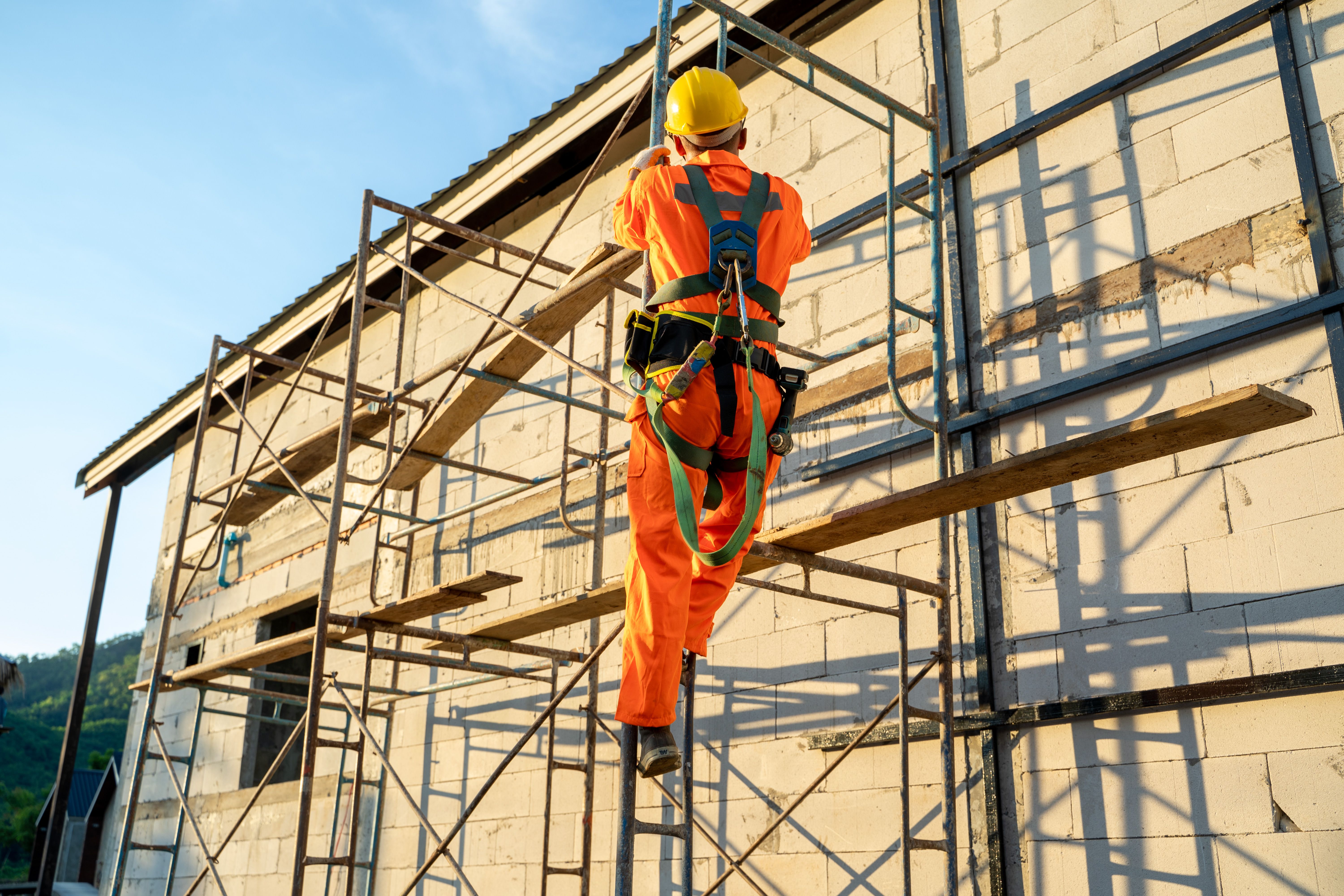
Scaffolding work involves physical labour, working at height, manual handling, and exposure to site hazards on a daily basis. From an insurer’s perspective, this places scaffolders among the higher-risk occupations for workplace injury. As a result, workers' compensation obligations in the scaffolding industry are enforced strictly, and errors can be costly.
In Australia, workers' compensation is a legal requirement for businesses that employ workers. This includes full-time, part-time, and in many cases, casual workers. For scaffolding contractors, the complexity often arises not with direct employees, but with subcontractors and labour hire arrangements. Many small contractors scale their workforce up or down based on job size, deadlines, and availability, which can blur the lines between employees and subcontractors.
Insurers and regulators focus on the nature of the work, not just the label applied to the worker. If a subcontractor works under the direction of the scaffolding contractor, uses their equipment, or is economically dependent on that contractor, they may be deemed a “worker” for workers' compensation purposes. When this happens, the scaffolding contractor can be held responsible for injuries—even if the subcontractor was assumed to be independently insured.

This creates a major risk for small scaffolding businesses. If subcontractor arrangements are not disclosed correctly, or if workers' compensation cover is structured incorrectly, claims may be denied. Worse still, penalties, back payments, and regulatory action can follow.
Another common issue is under-declaration of wages or labour costs. Small contractors sometimes underestimate payroll or fail to include payments to subcontractors when calculating workers' compensation premiums. While this may reduce upfront costs, it significantly increases exposure during an audit or claim. According to High Risk Cover, having the right insurance allows scaffolding contractors to meet their obligations, protect their team, and secure ongoing work. If a worker is injured and workers' compensation is inadequate or absent, claims may spill over into liability disputes. This can trigger exclusions or excesses that place further financial strain on the business.
For small scaffolding contractors, the key is accuracy and transparency. Declaring the true nature of the workforce, understanding how subcontractors are treated, and ensuring workers' compensation aligns with actual operations is essential. This is not just about compliance—it is about ensuring injured workers are covered and that the business is protected from cascading liabilities that can arise from workplace incidents.

Tools, Plant & Equipment Insurance: Protecting the Assets That Keep You Working
For many small scaffolding contractors, tools, plant, and equipment represent a significant portion of the business’s value. Scaffolding components, tools of trade, and associated equipment are essential to daily operations and when they are damaged, stolen, or lost, work can stop immediately.
Despite this, equipment insurance is often overlooked or undervalued. Some contractors assume their public liability policy covers equipment loss. Others rely on informal arrangements, such as site security or the head contractor’s insurance, without confirming what is actually covered. These assumptions frequently unravel when a loss occurs.
Scaffolding equipment is exposed to a range of risks. It is often stored on open sites, transported frequently, and handled by multiple workers. Theft, accidental damage, fire, and vandalism are common concerns, particularly when equipment is left on-site overnight or between project stages. For small contractors, replacing scaffolding components at short notice can be expensive and disruptive.
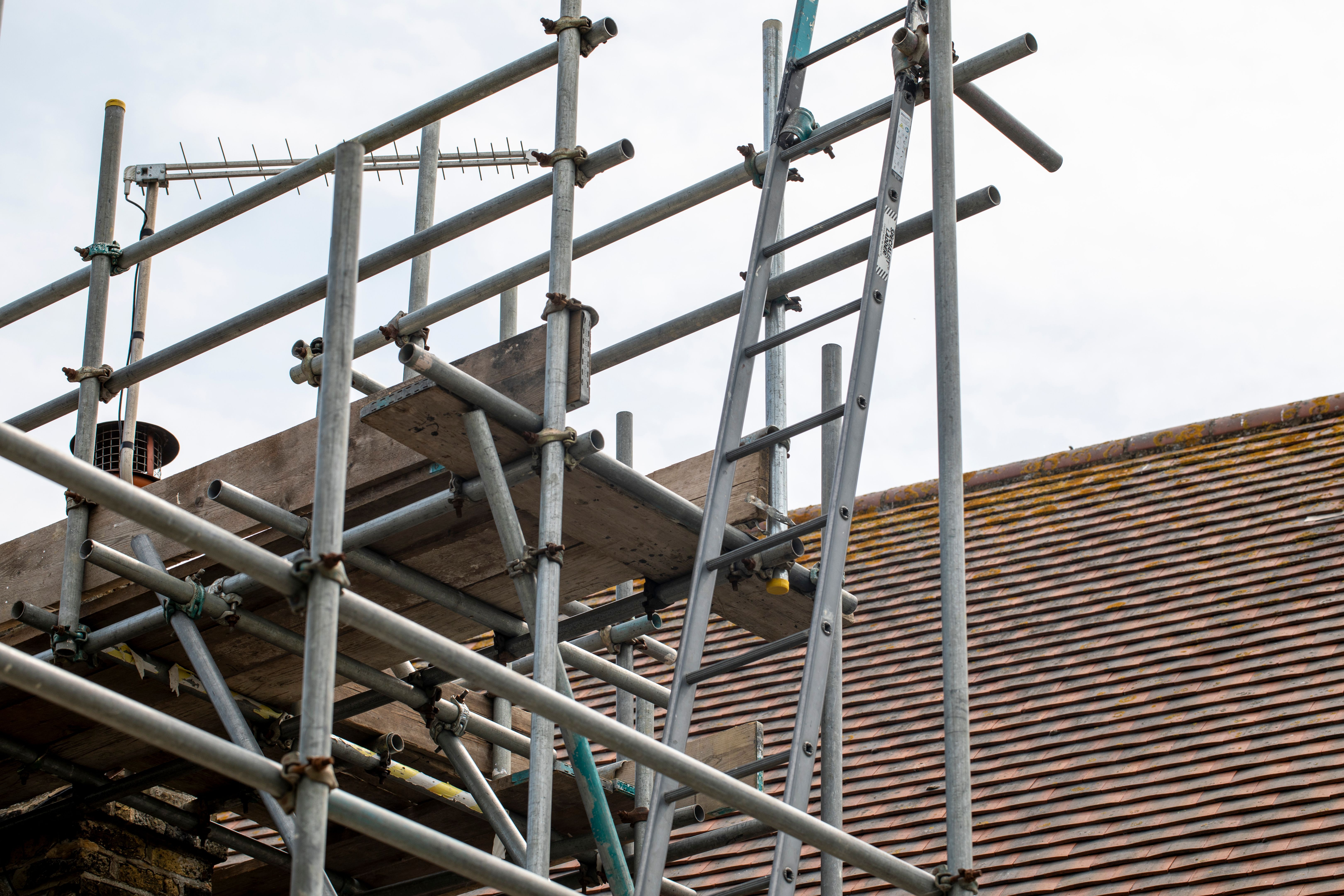
Tools, plant, and equipment insurance is designed to cover loss or damage to owned equipment, whether it occurs on-site, in transit, or in storage. For scaffolders, this can include frames, planks, fittings, braces, and other essential components. Having appropriate cover helps ensure that an incident does not halt operations entirely.
One of the most important considerations is accurate valuation. Underinsuring equipment to reduce premiums may seem attractive, but it often results in partial settlements that do not cover replacement costs. In a trade like scaffolding, where compatibility and compliance matter, replacing only part of a system may not be practical.
Hired equipment introduces additional complexity. Many small scaffolding contractors hire supplementary gear for larger jobs. Hire agreements often transfer responsibility for loss or damage to the contractor, making it essential to understand whether hired equipment is included under existing insurance or requires separate cover.
Downtime is another overlooked risk. When scaffolding equipment is unavailable due to loss or damage, jobs may be delayed, contracts may be breached, and income may be lost. While not all policies address business interruption, understanding how equipment insurance fits into overall risk management is crucial for small contractors operating on tight schedules.
Ultimately, tools, plant, and equipment insurance protects more than physical assets—it protects continuity of work. For small scaffolding businesses, where equipment availability directly affects cash flow, this cover can be the difference between a temporary setback and a serious financial crisis.

Contract Works & On-Site Insurance: When Your Scaffold Is Part of a Bigger Project
Scaffolding rarely exists in isolation. In most cases, it forms part of a broader construction or renovation project involving multiple trades, contractors, and insurers. This is where contract works insurance becomes relevant—and where confusion often arises for small scaffolding contractors.
Contract works insurance generally covers damage to works in progress during a construction project. For scaffolders, the question is not always whether contract works insurance exists, but who is responsible for it. Many small contractors assume that the head contractor’s policy will cover any damage involving the scaffold. In practice, this assumption can leave dangerous gaps.
Responsibility depends on contractual arrangements, scope of works, and policy wording. In some cases, the head contractor’s contract works policy may exclude scaffolding or limit cover to specific circumstances. In others, the scaffolding contractor may be required to arrange their own contract works cover or accept responsibility for damage caused by their work.
Damage to scaffolding itself, damage caused by scaffold collapse, or damage to the project during erection or dismantling can all trigger disputes about responsibility. Without clarity, small contractors may find themselves caught between insurers, each denying liability.
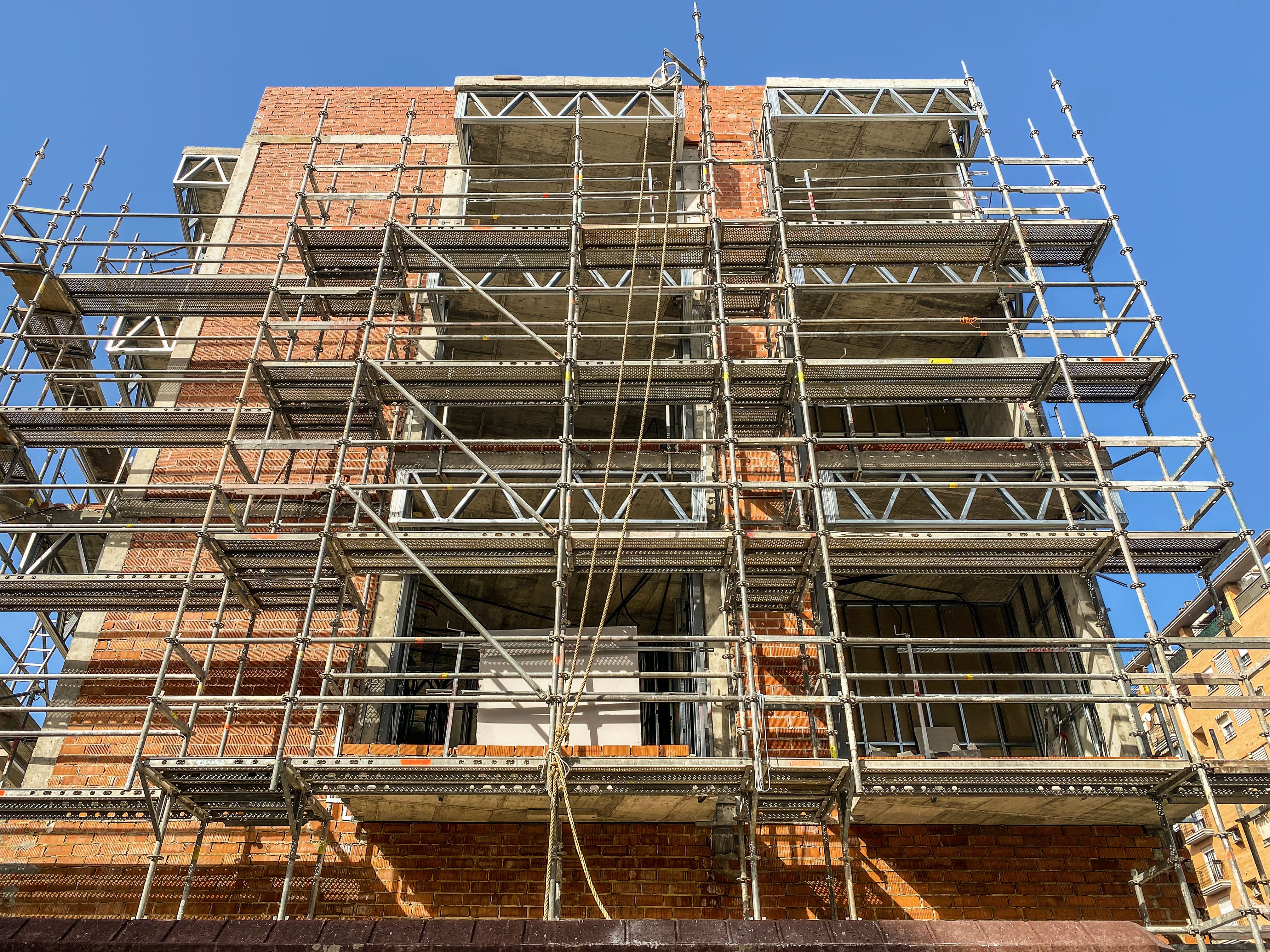
Another common issue arises during installation and removal. Scaffolding contractors often assume that contract works insurance only applies once the project is underway. However, losses can occur during delivery, erection, modification, or dismantling stages where responsibility is often contested.
Contract wording plays a significant role. Many contracts include clauses that transfer risk to the scaffolding contractor, even when the contractor has limited control over site conditions or subsequent use of the scaffold. Without insurance structured to respond to these obligations, small contractors may be exposed to uninsured losses.
Understanding how contract works insurance applies—and when it does not—is essential for scaffolders working as subcontractors on larger projects. It requires careful review of contracts, clarity around responsibilities, and alignment between contractual obligations and insurance cover.
For small scaffolding contractors, the goal is not necessarily to carry every possible policy, but to ensure that when their scaffold becomes part of a larger project, there are no assumptions about coverage. Clear insurance arrangements reduce disputes, speed up claims, and protect working relationships with builders and principals.
Professional Liability & Design-Related Risks in Scaffolding
Many small scaffolding contractors assume professional liability insurance—often referred to as professional indemnity—is irrelevant to their business. After all, scaffolding is perceived as a physical trade, not a professional service. In practice, this assumption can create one of the most dangerous insurance gaps in the scaffolding industry.
The issue lies in where responsibility begins and ends. While scaffolders may not see themselves as designers or engineers, insurers and claimants often look at scaffolding work differently. The moment a scaffolding contractor provides advice, recommendations, calculations, or drawings—or accepts responsibility for access solutions—they may be exposed to allegations of professional negligence.

In the scaffolding industry, professional liability risk can arise from situations such as:
· Providing advice on scaffold configuration or access methods
· Modifying scaffolding layouts to suit site conditions
· Supplying drawings or plans as part of the scope
· Certifying or confirming scaffold suitability
· Accepting responsibility for compliance or safety outcomes
These activities do not need to be complex to trigger a professional liability exposure. Even informal advice given on-site or changes made during installation can later become the focus of a claim if an incident occurs.
The risk is compounded by contractual wording. Many scaffolding contracts include clauses that transfer responsibility for design, suitability, or compliance onto the scaffolding contractor—sometimes without the contractor fully realising the implications. When this happens, public liability insurance alone may not respond, particularly if the claim centres on advice, design, or professional judgement rather than physical damage.
For small contractors, this creates a grey area. They may not require full professional indemnity insurance in all cases, but they must understand when their activities cross into professional exposure. Ignoring this risk does not make it disappear, it simply leaves the business exposed to uninsured claims.
Insurers assess professional liability risk in scaffolding based on declared activities and contractual obligations. Where design responsibility is minimal or excluded, the exposure may be limited. According to Angelic Insurance, scaffolding businesses are exposed to some of the highest liability risks in the construction industry. For small scaffolding contractors, this means that while professional liability insurance may not always be mandatory, it is important to evaluate your need for coverage honestly. Understanding how insurers view advice, design, and responsibility is essential to avoiding surprises at claim time.

Tailoring Scaffolding Insurance for Small Contractors (Why One-Size-Fits-All Fails)
One of the most consistent themes across the scaffolding insurance landscape is that generic policies fail scaffolders. This is especially true for small contractors, whose operations may vary significantly from job to job.
Scaffolding insurance must be tailored to reflect real-world activities—not assumptions. Insurers price and structure coverage based on declared risk, and when declarations do not match reality, coverage gaps emerge. This is why off-the-shelf trade policies or policies designed for general construction work often fall short for scaffolders.
Tailoring scaffolding insurance involves aligning cover with several key factors:
· Type of work: Residential, commercial, or industrial scaffolding each carries a different risk profile.
· Height exposure: Insurers pay close attention to maximum working heights and conditions.
· Scope of services: Erection, modification, dismantling, and any advisory role must be declared accurately.
· Use of subcontractors: The proportion of subcontracted labour directly affects liability and workers' compensation exposure.
· Equipment ownership: Owned versus hired equipment changes asset risk and contractual obligations.
Small scaffolding contractors often operate across multiple environments, which makes accurate disclosure critical. A policy that works for low-rise residential work may not respond adequately when the contractor takes on higher-risk commercial jobs.
Tailored insurance is not about increasing premiums unnecessarily—it is about ensuring claims are paid when they occur. Insurers are far more likely to support a claim where the risk has been clearly declared and understood upfront.
Another benefit of tailored cover is contractual alignment. Many scaffolding contracts specify insurance requirements that go beyond standard policies. Tailoring ensures that endorsements, limits, and conditions match these obligations, reducing the risk of disputes with principals or builders.
Importantly, tailoring also supports long-term sustainability. Small contractors who regularly review and adjust their insurance as their business evolves are less likely to face coverage disputes, unexpected exclusions, or non-renewal by insurers.
In scaffolding, the goal is not simply to buy insurance—it is to structure protection that evolves with the business and reflects how work is actually performed on site.
How Much Scaffolding Insurance Do You Really Need? Balancing Cost and Real Risk
“How much insurance is enough?” is one of the most common and most misunderstood questions among small scaffolding contractors. The temptation to minimise premiums is understandable, particularly in a competitive industry. However, scaffolding insurance cannot be assessed purely on price.
Scaffolding claims tend to be high-severity events. Injuries involving falls from height, structural failure, or third-party access can result in long-term consequences and significant legal costs. These claims do not scale down simply because the contractor is small.
Public liability limits are a key consideration. While minimum limits may satisfy some contractual requirements, they may not reflect real exposure—particularly on commercial or public sites. Once legal costs, multiple claimants, and extended recovery periods are factored in, lower limits can be exhausted quickly.
Underinsurance also affects negotiating power during claims. According to Sprintlaw, the amount you pay for public liability insurance depends on factors like your industry, claims history, location, and the coverage limit you select. For small contractors, especially those in high-risk sectors like construction, choosing lower coverage limits may result in certain claims exceeding those limits, potentially leaving the business responsible for the remaining costs. This can put personal assets at risk if the business cannot cover the shortfall.
Cost should be considered in context. Cheap insurance that fails to respond is worthless. Conversely, insurance that aligns with risk, operations, and contractual obligations provides certainty—even if premiums are higher.
Small scaffolding contractors should assess insurance adequacy based on:
· The environments they work in
· The size and complexity of projects
· Contractual insurance requirements
· Subcontractor exposure
· Asset values and reliance on equipment
Insurance decisions should be proactive rather than reactive. Waiting until a claim or contract issue arises often results in rushed decisions, limited options, and higher long-term costs.
Ultimately, the right level of scaffolding insurance is not determined by business size alone. It is determined by exposure. For small contractors, recognising this reality—and structuring cover accordingly—is a key step toward protecting both the business and the people behind it.
Common Insurance Mistakes Small Scaffolding Contractors Make
Most insurance failures in the scaffolding industry don’t happen because contractors deliberately cut corners. They happen because small scaffolding businesses rely on assumptions—about responsibility, coverage, or how insurers respond when things go wrong.
One of the most common mistakes is assuming that being a subcontractor limits liability. In reality, scaffolding contractors often remain exposed even when working under a head contractor. Contracts frequently include indemnity clauses that shift responsibility back onto the scaffolder, regardless of who caused the incident. When insurance is not structured to respond to these obligations, the contractor may be left to defend the claim personally.

Another frequent issue is inaccurate business descriptions. Scaffolders sometimes describe their work in overly broad or overly narrow terms to secure cheaper premiums. For example, describing operations as “general construction” or “access work” rather than scaffolding may lead to policies that exclude key activities. Insurers rely heavily on declared activities when assessing claims, and discrepancies can result in partial or denied coverage.
Height restrictions are another critical pitfall. Scaffolding work often involves tasks at considerable heights on temporary structures, which can increase risk. Small contractors may sometimes accept jobs that are higher than what their insurance policy allows, potentially without realising they have exceeded their declared limits. If an incident occurs at that height, the insurer may dispute the claim—even if the difference seems minor.
Subcontractor disclosure is also a major source of problems. Failing to declare subcontracted labour accurately can compromise both liability and workers' compensation cover. Insurers expect transparency around how work is performed and by whom. When subcontractor usage differs from what was declared, insurers may argue that the risk was misrepresented.
Perhaps the most damaging mistake is relying on the head contractor’s insurance without confirmation. While head contractors often carry broad policies, these policies may not cover scaffolding activities or may exclude subcontractor liabilities. Assuming coverage exists without reviewing the policy creates a false sense of security.
Finally, many small scaffolding contractors treat insurance as a once-a-year task. Businesses evolve, take on new types of work, and change how they operate. Insurance that is not reviewed regularly becomes outdated—and outdated insurance is often ineffective.

What Insurers and Principals Expect From Scaffolding Contractors
Scaffolding contractors face greater scrutiny than many other trades, from insurers and principals such as builders, developers, and councils. Understanding these expectations is essential to maintaining work opportunities and avoiding disputes.
From an insurer’s perspective, scaffolding represents a high-risk exposure. As a result, insurers expect accurate, detailed disclosure. This includes clear descriptions of activities, working heights, subcontractor arrangements, and turnover. Insurers are particularly cautious when information is vague or inconsistent, as this increases uncertainty around risk.
Certificates of currency play a central role in scaffolding projects. Principals often require up-to-date certificates before allowing scaffolders on site. These certificates are more than administrative documents—they are evidence that the contractor meets contractual and regulatory requirements. Errors, omissions, or expired certificates can delay work or result in removal from the site.
Principals also expect scaffolding contractors to carry insurance limits that align with project risk. Minimum public liability limits are commonly specified in contracts, and failure to meet them can result in a breach of contractual obligations. Importantly, principals may also require specific endorsements or confirmations, such as inclusion of subcontractors or coverage for certain activities.
Policy conditions matter as much as limits. Insurers and principals expect scaffolders to operate in accordance with the terms of their policies. This includes compliance with height limits, safety requirements, and declared scopes of work. When contractors deviate from these terms without updating their insurance, they increase the likelihood of disputes.
Another expectation is professionalism in risk management. Insurers are more willing to support contractors who demonstrate an understanding of their risk profile and take steps to manage it. This includes maintaining accurate records, reviewing contracts, and engaging with insurance proactively rather than reactively.
For small scaffolding contractors, meeting these expectations is not about over-insuring—it is about demonstrating credibility. Adequate, well-structured insurance signals reliability to both insurers and principals, improving access to work and strengthening long-term relationships.

Choosing the Right Scaffolding Insurance Partner
Insurance is not just a product in the scaffolding industry—it is an ongoing relationship. For small contractors, choosing the right insurance partner can have a direct impact on claim outcomes, business continuity, and long-term sustainability.
Scaffolding is a specialist area. Generalist insurance providers or brokers who lack experience in scaffolding may overlook critical exposures, misclassify activities, or place cover with insurers that have limited appetite for scaffolding risks. This often leads to restrictive policies, unexpected exclusions, or difficulty when claims arise.
A specialist scaffolding insurance partner, like us, understands how scaffolding work is performed in practice. They recognise the nuances of working at height, subcontractor usage, contract requirements, and equipment exposure. This expertise allows them to structure coverage that reflects real operations rather than theoretical risk models.
Another advantage of working with a specialist is advocacy during claims. Scaffolding claims are complex and often involve multiple parties. An insurance partner who understands the industry is better positioned to navigate disputes, interpret policy wording, and communicate effectively with insurers.
Choosing the right partner also supports growth. As small scaffolding contractors expand into new types of work or larger projects, insurance requirements change. A proactive insurance partner helps anticipate these changes and adjust cover accordingly, reducing disruption and protecting the business as it evolves.
Ultimately, the right scaffolding insurance partner does more than arrange policies. They provide clarity, continuity, and confidence. For small contractors operating in a high-risk industry, this support is invaluable.
Get the Right Cover Before You Need to Use It
Scaffolding Insurance for Small Contractors: What Coverage Do You Really Need?
The honest answer is this—you need insurance that reflects what you actually do on site, not what you hope never happens.
Scaffolding sits at the sharp end of construction risk. Working at height, managing temporary structures, coordinating with multiple trades, and operating in public or high-traffic environments means exposure is always present. For small contractors, the consequences of a serious incident can be disproportionate. One claim can threaten contracts, cash flow, and, in some cases, the business's survival.
Throughout this guide, one theme is clear: problems rarely arise because contractors have no insurance. They arise because the insurance was misunderstood, poorly structured, or based on assumptions that didn’t hold up under scrutiny. Minimum limits, generic trade policies, undeclared subcontractors, and overlooked contractual obligations are all common fault lines.
The purpose of scaffolding insurance is not just to satisfy a builder or secure a certificate of currency. It is to provide certainty—certainty that when an incident occurs, the policy responds as expected. For small scaffolding contractors, that certainty protects not just the business, but livelihoods, reputations, and future opportunities.
Getting insurance right means understanding risk, asking the right questions, and working with people who understand the scaffolding industry inside out. Done properly, insurance becomes a strategic asset rather than an afterthought.
Frequently Asked Questions (FAQs)
What insurance is legally required for scaffolding contractors in Australia?
At a minimum, scaffolding contractors typically require workers' compensation insurance when they employ workers, as well as public liability insurance to operate on most sites. Additional covers may be required depending on contracts, scope of work, and responsibilities accepted.
How much public liability insurance should a small scaffolding contractor have?
The appropriate level of public liability insurance depends on exposure rather than business size. Scaffolding claims can be high-severity, and many commercial contracts specify minimum limits. Choosing limits based solely on price can leave contractors exposed.
Do scaffolding subcontractors need their own insurance?
Yes. Even when working under a head contractor, subcontractor scaffolders are commonly required to carry their own public liability insurance. Relying solely on another party’s cover can create gaps if responsibility is disputed.
Is scaffolding considered high risk by insurers?
Yes. According to the Scaffolding Association Australia, public liability insurance covers your legal liability for injuries to other people or damage to their property caused by your business activities, but it does not cover damage to scaffolding itself.
Generally no. Public liability insurance covers injury or damage to third parties, not the scaffolding contractor’s own equipment. Damage or theft of scaffolding equipment usually requires separate tools, plant, or equipment insurance.
When might a scaffolding contractor need professional liability insurance (often called professional indemnity insurance in Australia)?
Professional liability exposure can arise when scaffolders provide advice, drawings, or recommendations, or when they accept responsibility for design or suitability. Contract wording often determines whether this risk exists.
Why is tailoring scaffolding insurance important for small contractors?
Small scaffolding businesses often operate across different job types and environments. Tailored insurance ensures coverage aligns with actual activities, reducing the risk of exclusions or disputes when a claim occurs.
Get the right advice before it costs you
If you’re a small scaffolding contractor, now is the time to review whether your insurance actually matches the work you do. Speak with scaffolding insurance specialists who understand the industry and can identify gaps before a claim exposes them.
Protect your business with confidence
Don’t rely on assumptions or minimum requirements. Contact scaffolding insurance today to request a tailored review or quote designed specifically for Australian scaffolding contractors—built to stand up when it matters most.