Scaffolders Insurance in Australia: A Straight-Up Guide for 2026
Ja
Why This Cover Actually Matters
Scaffolders Insurance in Australia isn’t optional, and it’s not just another compliance box to tick. In 2026, scaffolding remains one of the highest-risk activities in the construction industry, and insurers know it. That reality shapes how policies are priced, restricted, and — most importantly — how claims are assessed when something goes wrong.
Scaffolding work combines height, temporary structures, load-bearing systems, public exposure, and interaction with multiple trades. From an insurer’s perspective, that’s a perfect storm of risk. Even a minor mistake can cause serious injury, structural damage, or site shutdowns that ripple far beyond the scaffold itself.
This is precisely why scaffolders are treated differently from other construction trades.

General builders, carpenters, or labourers can often rely on broad construction policies. Scaffolders can’t. Insurers assess scaffolding risks separately because failures tend to be catastrophic rather than incremental. When scaffolding fails, it rarely damages just one thing — it injures people, damages adjacent property, halts projects, and triggers multi-party claims.
That’s the backdrop against which Scaffolders Insurance in Australia operates in 2026.
Why insurers scrutinise scaffolders more closely
Australian insurers underwriting scaffolding risks consistently focus on a few core exposure points:
· Temporary load-bearing structures
Scaffolding is not permanent. It’s assembled, altered, and dismantled — often under time pressure and site constraints. Insurers price this instability into every policy.
· Height and fall exposure
Falls remain one of the most severe injury risks on Australian construction sites. Scaffolders operate directly within that risk zone.
· Public interface
Scaffolding is often erected near footpaths, roads, neighbouring buildings, and active workplaces. That increases third-party exposure dramatically.
· Multiple duty holders
Scaffolders rarely work in isolation. Builders, engineers, site managers, and other trades all interact with the scaffold — creating complex liability chains when incidents occur.
Because of this, Scaffolders Insurance in Australia is not designed to be forgiving. Policies are built around strict disclosures, defined activities, and specific exclusions. When scaffolders don’t understand this — or rely on generic advice — claims problems follow.
The real cost of getting scaffolding insurance wrong
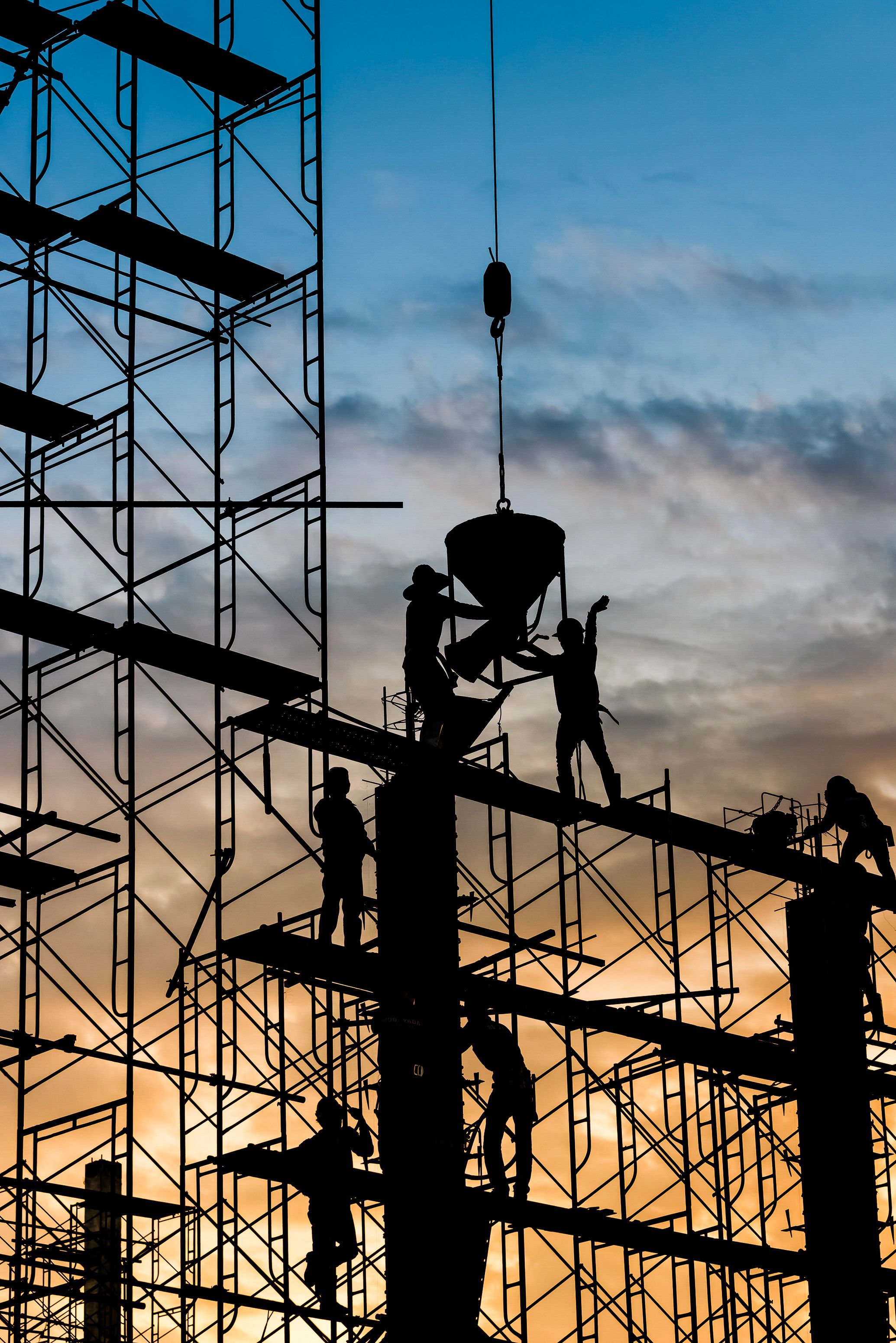
Many scaffolders only discover the limits of their insurance after an incident. Common triggers include:
· A scaffold collapse damaging neighbouring property
· A pedestrian injury caused by falling materials
· A site shutdown following an unsafe scaffold allegation
· A dispute over who was responsible for the inspection or handover
In these situations, insurers don’t assess intent — they assess policy wording. If the work performed doesn’t match what was disclosed, or if the activity falls into an exclusion category, the claim may be reduced or declined entirely.
This is why Scaffolders Insurance in Australia matters far beyond certificates of currency. It’s about whether your business survives a serious incident.
What Scaffolders Insurance in Australia Actually Is (And What It Isn’t)
One of the biggest misunderstandings in the industry is the idea that “scaffolders insurance” is a single, standard policy. It isn’t.
Scaffolders Insurance in Australia is a combination of covers, structured to respond to different risks across scaffolding operations. Each part has a specific function, and none of them are interchangeable.
Understanding this distinction is critical because many coverage gaps occur when scaffolders assume one policy will respond to risks it was never designed to cover.
There is no single “scaffolding insurance policy”
In practice, Scaffolders Insurance in Australia usually involves:
· Public & Products Liability Insurance
· Contract Works Insurance (where applicable)
· Tools, Plant, and Equipment Insurance
Each responds to a different type of loss. Confusing them leads to denied claims.

Public & Products Liability: the backbone of scaffolding insurance
Public Liability Insurance is the core cover for scaffolders in Australia. It is designed to respond when your scaffolding activities cause injury to third parties or damage to third-party property.
This includes situations such as:
· A scaffold collapse damaging adjacent buildings
· Materials falling and injuring pedestrians.
· Property damage caused during erection or dismantling
However — and this is critical — Public Liability Insurance only responds to third-party losses. It does not automatically cover:
· Damage to your own scaffold materials
· Poor workmanship claims framed as contractual disputes
· Design-related failures if design is excluded
· Work performed outside declared activities.
Many scaffolders assume liability insurance is a catch-all. It isn’t.
Contract Works Insurance: misunderstood and often missing
Contract Works Insurance covers physical loss or damage to works in progress. For scaffolders, this may apply where:
· Scaffold materials are damaged before handover.
· Erected scaffolding is damaged by weather, impact, or site activity
· Responsibility for the scaffold remains with the scaffolder.
This cover becomes particularly important where scaffolders own the materials and remain responsible until dismantling. Without it, damage to your own scaffold is usually uninsured.
Crucially, not all scaffolders need Contract Works cover — but those who do often don’t realise it until after a loss.
Tools, plant, and equipment insurance
Tools and plant insurance covers loss or damage to scaffolding components, tools, and equipment resulting from insured events, such as theft or accidental damage.
This is separate from liability insurance and must be structured correctly to account for:
· Theft from unsecured sites
· Damage during transport
· Storage conditions
Cheap policies often limit cover locations or impose strict security requirements, which can invalidate claims.
What scaffolders insurance is not
Scaffolders Insurance in Australia does not automatically cover:
· Engineering or structural design responsibility
· Unlicensed or non-compliant work
· Activities not disclosed to the insurer.
· Known defects or pre-existing issues
This is where many scaffolders get caught out — not because they were reckless, but because they assumed insurance would respond by default.
In reality, scaffolding insurance responds only within the boundaries of the disclosed risk.
Public Liability Insurance for Scaffolders in Australia — What’s Covered and What Gets Denied
Public Liability Insurance is the backbone of Scaffolders Insurance in Australia, but it’s also the area where the most claim disputes occur. Not because scaffolders don’t have insurance, but because they misunderstand how narrowly liability cover is applied when scaffolding is involved.
At its core, Public Liability Insurance is designed to protect scaffolders against third-party injury or property damage arising from insured scaffolding activities. That sounds broad. In practice, it’s tightly controlled by wording, exclusions, and disclosures.
What public liability insurance is designed to cover
For scaffolders, public liability insurance typically responds when:
· A third party is injured due to scaffold failure or falling materials.
· Adjacent property is damaged during erection, alteration, or dismantling.
· A scaffold causes obstruction or damage in public access areas.
· Another contractor’s property is damaged as a result of scaffolding operations.
These claims often involve multiple parties, including builders, principals, councils, and injured members of the public. That complexity is why insurers scrutinise scaffold claims closely.
Why scaffolding liability claims are heavily examined
Unlike minor construction claims, scaffolding incidents often involve:
· Serious injuries or fatalities
· Structural damage across multiple properties
· Extended site shutdowns
· Regulatory investigations
As a result, insurers assess not only what happened but also how the work was carried out. This includes:
· Whether the scaffold was erected according to disclosed activities
· Whether height and load limits were exceeded
· Whether the scaffolder was responsible for inspection and handover
· Whether design responsibility existed, even implicitly
If the claim falls outside the insured activity description, the insurer may decline the claim — even if the incident itself appears accidental.
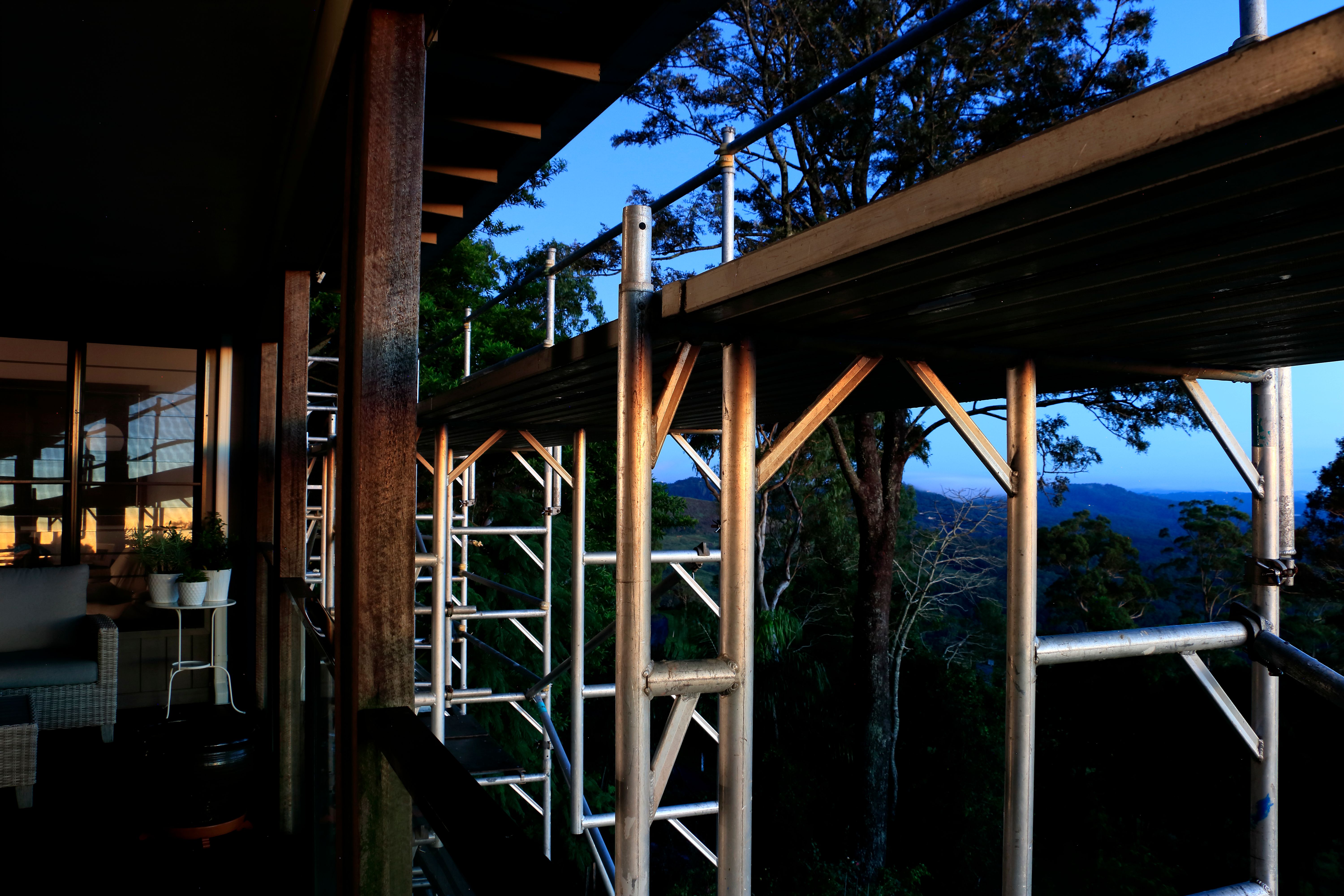
Common reasons scaffolding liability claims are denied
In the Australian market, liability claims involving scaffolders are most commonly declined due to:
· Unapproved scaffold design
If the scaffolder is deemed to have assumed design responsibility, and design is excluded, the claim may fail.
· Work outside the disclosed scope.
For example, working at greater heights than declared or using scaffold types not listed in the policy.
· Non-compliant erection or modification
Failure to follow required procedures or standards can trigger exclusions.
· Incorrect duty holder assumptions
Claims often unravel when responsibility for inspection or handover is unclear.
Public liability insurance does not reward assumptions. It responds strictly to what was disclosed, insured, and complied with.
The Biggest Exclusions in Scaffolders Insurance Policies (And Why They Catch People Out)
Exclusions are where Scaffolders Insurance in Australia quietly becomes dangerous for businesses that haven’t read past the certificate of currency.
Most scaffolders know exclusions exist — very few understand how aggressively they’re applied when a claim arises.
Design exclusions: the most common trap
One of the most significant exclusions in scaffolding insurance policies relates to design responsibility.
If a scaffolder:
· Designs a scaffold layout
· Modifies an existing design
· Makes load or configuration decisions independently
…they may be considered to have assumed design responsibility — even if no formal drawings exist.
Many policies exclude design liability entirely, meaning any claim connected to design failure may be denied, regardless of workmanship quality.
This catches scaffolders who believe they are “just following site requirements” when, in practice, they’re making structural decisions.
Temporary works exclusions and grey areas
Scaffolding is, by nature, temporary works. However, insurance policies often draw sharp distinctions between:
· Erection and dismantling
· Use by third parties.
· Alterations after handover
If damage or injury occurs after a scaffold has been altered by another party, insurers may argue the risk has changed from what was insured.
Working outside declared activities.
Scaffolders Insurance in Australia relies heavily on accurate activity disclosure. Common disclosure failures include:
· Understating maximum working height
· Failing to disclose specific scaffold systems
· Omitting commercial or high-risk sites
When a claim involves an undisclosed activity, insurers may apply exclusions or reduce liability.
Why exclusions aren’t negotiable after a loss
Once a policy is bound, exclusions are fixed. Insurers don’t reinterpret them sympathetically after an incident. If an exclusion applies, it applies — regardless of intent or past claim history.
That’s why scaffolders need to understand exclusions before they matter.
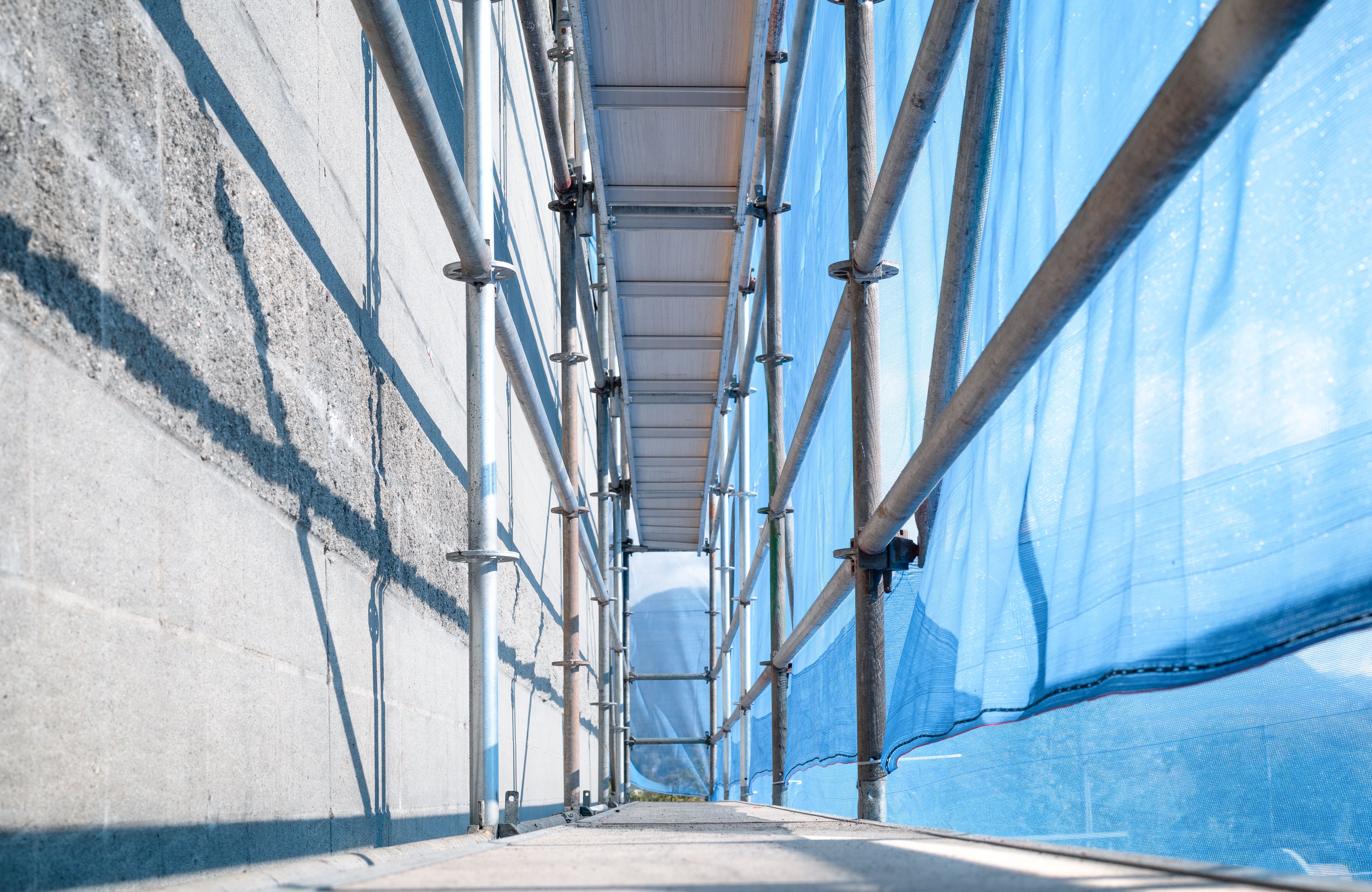
Height Limits, Load Ratings, and Scaffold Types — How Insurers Actually Assess Your Risk
When insurers assess Scaffolders Insurance in Australia, they don’t start with price. They start with exposure, and height is one of the first questions asked.
Why height matters so much to insurers
Height increases:
· Injury severity
· Property damage potential
· Claim cost volatility
As working height increases, insurers expect:
· Greater technical competence
· Stricter compliance controls
· More experienced crews
If your declared maximum height doesn’t match real-world operations, you’re exposed — not just to premium adjustments, but to claim disputes.
Scaffold type influences underwriting decisions
Insurers differentiate between scaffold systems because each presents different risks. Disclosure typically includes whether you use:
· Tube and coupler systems
· Modular or system scaffolding
· Mobile scaffolds
Each type carries different stability, assembly, and load assumptions. According to findings from SafeWork NSW, scaffolding inspections revealed many missing critical components such as ledgers, planks, hopups, mid rails, and handrails, making it essential for companies to accurately disclose all scaffolding types and components used. Load ratings and responsibility assumptions are especially important, as decisions about load-bearing rely on complete and accurate information about the scaffold systems in use. If a scaffold fails due to overload, insurers assess:
· Who determined load limits
· Whether load ratings were specified or implied
· Whether modifications altered capacity
If the scaffolder is deemed to have made load decisions independently, this may intersect with design exclusions.
Residential vs commercial scaffolding risk
Commercial scaffolding is typically viewed as higher risk due to:
· Larger-scale structures
· Public exposure
· Longer erection periods
Insurers price and restrict policies accordingly. Mixing residential and commercial work without disclosure is a common error.
Why under-declaring risk backfires
Some scaffolders under-declare the height or complexity of their work to reduce premiums. This strategy almost always backfires at claim time. Insurers compare claim facts against disclosures — not intentions.
Accurate disclosure protects claims. Inaccurate disclosure undermines them.
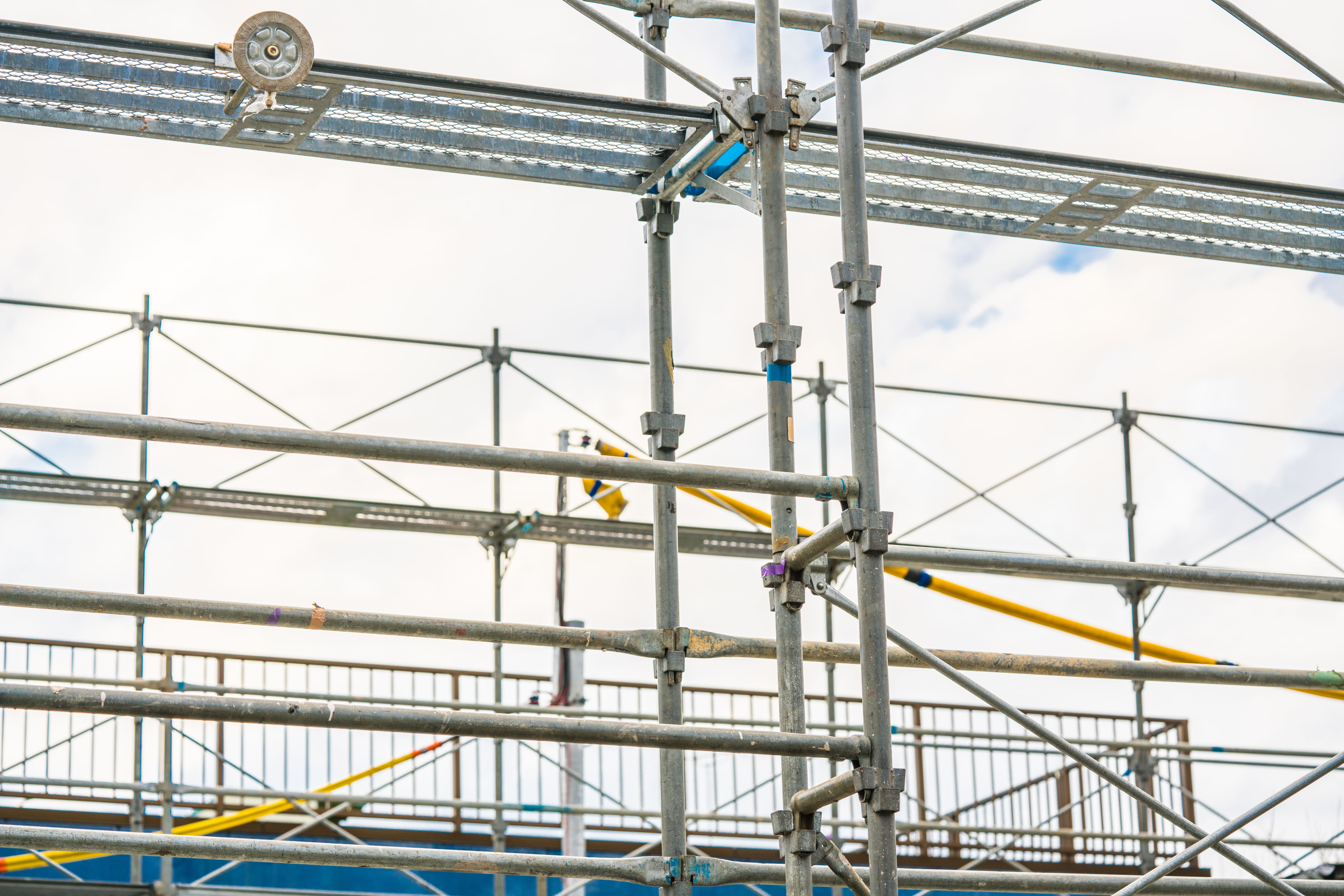
Contract Works Insurance for Scaffolders — When You Need It, and When You Don’t
Contract Works Insurance is one of the most misunderstood parts of Scaffolders Insurance in Australia. Some scaffolders pay for it unnecessarily. Others skip it entirely — and only realise the mistake after a loss.
The confusion comes from one core issue: who is financially responsible for the scaffold at each stage of the job.
What contract works insurance actually covers
Contract Works Insurance is designed to cover physical loss or damage to works in progress. For scaffolders, that typically means damage to scaffolding materials that:
· Have been delivered to site
· Are erected but not yet handed over
· Remain the scaffolder’s responsibility.
This can include damage caused by:
· Severe weather
· Impact by vehicles or machinery
· Other trades interfering with the scaffold
If the scaffold is damaged before responsibility transfers, Contract Works Insurance may respond.
When scaffolders usually need contract works cover
Scaffolders are more likely to need Contract Works Insurance when:
· They own the scaffold materials.
· They are contractually responsible for the scaffold until it is dismantled.
· The scaffold remains on site for extended periods.
· The builder’s policy does not extend to subcontractor-owned works.
In these situations, relying solely on Public Liability Insurance is risky. Public liability does not cover damage to your own materials.
When scaffolders often don’t need it
Contract Works Insurance may be unnecessary where:
· The head contractor insures all works, including the scaffold.
· Responsibility for damage transfers at handover
· The scaffolder’s contract clearly limits liability.
The problem is that many scaffolders assume they’re covered under a builder’s policy without checking. That assumption collapses the moment damage occurs and responsibility is disputed.
The danger of unclear responsibility
Most contract works disputes arise not from policy wording, but from unclear contracts. If responsibility for scaffold damage isn’t clearly allocated, insurers will argue it wasn’t their risk to cover.
Contract Works Insurance doesn’t fix bad contracts — but it can prevent uninsured losses when responsibility is clearly yours.
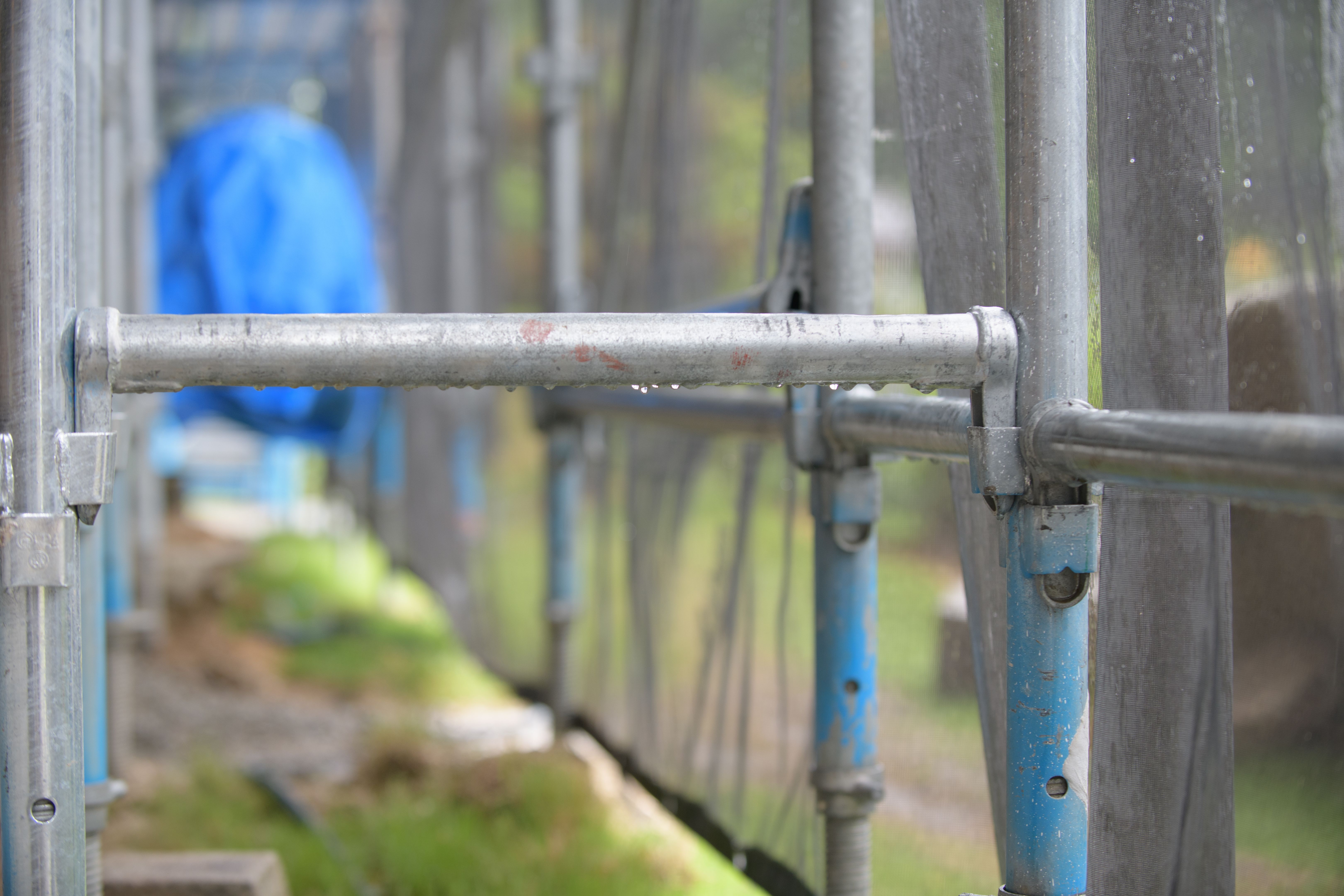
Tools, Plant, and Equipment Insurance for Scaffolders in Australia
Tools and equipment insurance is often treated as an afterthought in Scaffolders Insurance. That’s a mistake. For many scaffolders, scaffold components and tools represent a significant capital investment — and losses are common.
What this cover is meant to protect
Tools and Plant Insurance covers loss or damage to scaffolding equipment due to insured events such as:
· Theft
· Accidental damage
· Fire or impact
This cover applies to items such as:
· Scaffold frames and components
· Couplers, planks, and fittings
· Hand and power tools used in scaffolding work
Without this cover, most losses are uninsured.
Why cheap policies fail scaffolders
Low-cost tools and plant policies often come with restrictions that only become visible after a claim, such as:
· Cover limited to locked storage only.
· A guide from Safe Work Australia highlights that managing risks associated with scaffolding work is essential, especially when equipment is frequently transported between different worksites. Insurers may set strict conditions regarding security measures, limit coverage for equipment left overnight, and exclude theft from unsecured sites; if these requirements are not met, claims can be declined even if the loss would otherwise be eligible. Damage can occur during:
· Loading and unloading
· Transport between locations
· Temporary storage on-site
Policies must be structured to reflect this reality. If equipment is only insured at a declared premises, losses elsewhere may not be covered.
Declaring realistic values
Underinsurance is common. Scaffolders often underestimate replacement costs or insure based on depreciated values. When claims are paid, settlement is limited to the declared sum insured — not the true replacement cost.
This creates a double hit: lost equipment and out-of-pocket replacement costs.
Labour Hire, Subcontractors, and Multi-Crew Operations — Insurance Complications Scaffolders Ignore
Labour arrangements are one of the most common causes of insurance failure in scaffolding claims. Scaffolders Insurance in Australia relies heavily on how labour is structured, not just who holds a policy.
Subcontractors vs employees: why insurers care
Insurers distinguish between:
· Direct employees
· Bona fide subcontractors
· Labour hire workers
Each category carries different liability assumptions. Problems arise when scaffolders:
· Use subcontractors without verifying insurance.
· Treat labour hire as “someone else’s responsibility”
· Fail to disclose subcontractor usage.
If a subcontractor causes injury or damage, the principal scaffolder may still be drawn into the claim.
“They had their own insurance” is not a defence
One of the most dangerous assumptions scaffolders make is believing that a subcontractor’s insurance protects them. It doesn’t.
If a claim alleges:
· Poor supervision
· Unsafe systems of work
· Site coordination failures
…the principal scaffolder may still be liable, regardless of subcontractor insurance.
Multi-crew and shared scaffold risks
On larger sites, multiple crews may interact with the same scaffold. Claims often arise where:
· One crew modifies another’s scaffold.
· Responsibility for inspection is unclear.
· Alterations occur after handover.
According to the Scaffolding Association Australia, insurers focus on which party had control over the scaffold at the time of any loss, rather than who originally set it up. When responsibility for control is unclear, disputes over liability can arise.
Disclosure failures that kill claims
Common mistakes include failing to disclose the use of subcontractors.
· Understating labour numbers
· Failing to disclose mixed employment arrangements
When labour structures don’t match disclosures, insurers may reduce or deny claims — even if the incident itself was accidental.
Why Cheap Scaffolders Insurance Quotes Cost More in the Long Run
Most scaffolders don’t go looking for “cheap” insurance — but many end up with it anyway. Not because they want to cut corners, but because the differences between scaffolding policies are rarely explained clearly.
According to Insurance Business, low-cost scaffolding insurance policies often achieve cheaper premiums by limiting the scope of coverage, especially for activities performed above 30 metres or in high hazard locations such as oil and gas plants. These policies typically save money by narrowly defining which activities are insured.
· Applying strict height or scaffold-type limits
· Excluding design-related exposures entirely
· Restricting subcontractor involvement
· Limiting cover to specific locations or contracts
On paper, the policy looks fine. In practice, it only responds if the incident fits neatly inside those constraints, which scaffolding incidents rarely do.
Premium vs protection: the false comparison
Many scaffolders compare policies based on:
· Limit of indemnity
· Annual premium
· Excess
These figures matter — but they don’t tell you what the insurer will actually defend.
Two policies can both show “$20 million public liability” and behave very differently when a scaffold collapses. The difference is buried in:
· Activity definitions
· Exclusions
· Responsibility clauses
That’s why cheaper quotes often become expensive after the first serious incident.
Claims don’t fail because of accidents — they fail because of wording
Most scaffolding claims aren’t denied because the incident didn’t happen. They’re denied because:
· The activity wasn’t disclosed.
· The scaffold type wasn’t listed.
· The height exceeded what was declared.
· Design responsibility was assumed unintentionally.
Cheap policies rely on these narrow definitions to remain profitable. When a claim pushes outside those boundaries, the scaffolder bears the cost.
The real cost of underinsurance
When insurance fails, scaffolders face:
· Legal defence costs
· Settlement payments
· Contract termination
· Reputation damage
· Difficulty obtaining future cover
A cheaper premium rarely offsets these outcomes.
Choosing the Right Scaffolders Insurance Broker in Australia
Scaffolders Insurance is not a self-serve product. In Australia, the difference between a paid claim and a denied one often comes down to how the policy was structured — not the insurer’s logo.
That’s where broker selection matters.
Why scaffolders need specialist advice
Scaffolding is treated as a high-risk trade by insurers. Generalist brokers often:
· Use generic construction classifications.
· Miss critical disclosures
· Rely on default policy wordings.
· Fail to flag exclusions early.
This isn’t malicious — it’s a knowledge gap. Scaffolders need brokers who understand:
· Scaffold systems and site realities
· How insurers assess height and load
· Where exclusions are most aggressively applied
· How to frame disclosures defensively
Red flags when dealing with brokers
Scaffolders should be cautious if a broker:
· Can’t clearly explain exclusions
· Avoids discussing claim scenarios
· Quotes multiple policies without explaining differences
· Focuses only on price
· Treats scaffolding like any other trade
Insurance for scaffolders should involve detailed questions — not quick forms.
What good scaffolding insurance advice looks like
A competent scaffolding insurance broker will:
· Ask detailed questions about scaffold type, height, and use
· Explain where cover stops, not just where it starts.
· Match policy wording to actual operations
· Flag exposures before claims arise
· Structure cover to survive scrutiny.
This level of advice doesn’t eliminate risk — but it prevents avoidable failures.
Scaffolders Insurance in Australia — Real Claim Scenarios (What Actually Happens)
Understanding scaffolding insurance is easier when you see how claims actually unfold. The following scenarios reflect common claim pathways — not hypotheticals.
Scenario 1: Scaffold collapse, damaging adjacent property
A scaffold erected near a neighbouring building collapses, causing structural damage.
What insurers assess:
· Was the scaffold erected within declared parameters?
· Was the scaffolder responsible for design or configuration?
· Were load limits exceeded?
· Had the scaffold been modified after handover?
If the collapse relates to design or undisclosed activity, liability cover may not respond.
Scenario 2: Injury to a member of the public
Materials fall from a scaffold onto a public access area, injuring a pedestrian.
What insurers assess:
· Was public access disclosed?
· Were control measures in place?
· Did the activity align with insured operations?
Public liability may respond — but only if exclusions don’t apply.
Scenario 3: Damage to scaffold materials on site
If a vehicle hits damaged scaffolding before it is dismantled, insurers will consider factors such as who owns the scaffold materials and the increased risks associated with construction environments, which often have overlapping trades and heavy equipment, according to Bluewell.
· Who was responsible at the time of loss?
· Was contract works insurance in place?
Public liability won’t cover this loss. Without contract works or tools cover, the scaffolder absorbs the cost.
Scenario 4: Subcontractor alters scaffold, leading to failure
A subcontractor modifies a scaffold, leading to an incident.
What insurers assess:
· Who had control at the time?
· Was subcontractor use disclosed?
· Were supervision responsibilities defined?
Claims often become multi-party disputes, with insurers limiting exposure where possible.
These scenarios highlight one truth: scaffolding claims are won or lost before the incident, at the policy setup stage.

How to Get Scaffolders Insurance in Australia Without Exposing Yourself
Getting Scaffolders Insurance in Australia isn’t about filling in a form and hoping for the best. The way your insurance is arranged directly affects whether claims are paid or disputed later.
Most scaffolding insurance failures happen because of poor disclosure, not bad luck.
What insurers actually need to know
When underwriting scaffolding risks, insurers focus on a few high-impact details. These typically include:
· Types of scaffolding systems used
· Maximum working heights
· Nature of sites (residential vs commercial)
· Use of subcontractors or labour hire
· Responsibility for inspection, handover, and alterations
If these details aren’t accurately disclosed, insurers assume the risk was misrepresented — even if the omission was accidental.
Why “keeping it simple” can be dangerous.
Some scaffolders deliberately under-describe their operations to avoid premium increases. This usually leads to:
· Narrow activity definitions
· Lower accepted height limits
· Exclusions triggered at claim time
When a loss occurs, insurers compare the actual activity against the disclosed activity. Any mismatch becomes a problem.
Disclosure protects claims — not insurers.
There’s a misconception that full disclosure only benefits insurers. In reality, disclosure protects scaffolders by:
· Locking insurers into the accepted risk
· Reducing room for interpretation after a loss
· Aligning policy wording with real operations
Insurance doesn’t reward optimism. It rewards accuracy.
The role of specialist underwriting
Scaffolders Insurance works best when structured deliberately — not rushed. Specialist underwriting ensures:
· Activities are properly defined.
· Exclusions are understood upfront.
· Cover aligns with contractual responsibilities.
This doesn’t eliminate risk — but it dramatically reduces uninsurable surprises.
Frequently Asked Questions About Scaffolders Insurance in Australia (2026)
Do scaffolders need public liability insurance in Australia?
Yes. Public liability insurance is fundamental for scaffolders because scaffolding activities expose third parties — including pedestrians, neighbouring properties, and other contractors — to significant risk.
Does scaffolding insurance cover scaffold collapse?
According to the Association of Consulting Architects Australia, coverage for design responsibility under scaffolding insurance depends on the specific terms of the policy and any exclusions that may apply, especially regarding issues such as non-compliant materials or modifications.
According to SAA Insure, design liability is generally not covered in scaffolding insurance policies unless a specific extension is purchased, and scaffolders who make decisions about configuration or loading could unintentionally take on some design responsibility. A report from SAA Insure also explains that damage to your own scaffold materials is typically not covered unless it is included in your policy.
Not under public liability insurance. Damage to your own scaffolding materials requires Contract Works Insurance or Tools and Plant Insurance, depending on the circumstances.
Are subcontractors covered under my scaffolding insurance?
Not automatically. Subcontractor use must be disclosed, and responsibility for their actions may still rest with the principal scaffolder.
Can I rely on the builder’s insurance instead?
Sometimes — but never assume. Many builder policies often exclude materials owned by subcontractors or place responsibility back on the scaffolder. According to WorkSafe Victoria's Scaffolding Industry Standard, the risk of injury increases with height in scaffolding work, which leads to greater potential severity and higher costs for insurance claims. Insurers use declared height limits to define the risk they’re accepting.
What’s the biggest mistake scaffolders make with insurance?
Assuming cover exists without understanding exclusions. Most claim failures stem from misunderstanding policy scope — not lack of insurance.
Scaffolders Insurance in Australia: A Straight-Up Guide for 2026 — Final Word
Scaffolders Insurance in Australia is not a box-ticking exercise. It’s risk control.
Scaffolding remains one of the most scrutinised activities in the construction industry because when things go wrong, they go wrong fast and expensively. Insurance doesn’t exist to absorb every mistake — it exists to respond within clearly defined boundaries.
In 2026, scaffolders who survive serious incidents aren’t the luckiest ones. They’re the ones who:
· Disclosed accurately
· Understood exclusions
· Structured cover deliberately
· Treated insurance as part of operations
Cheap policies, vague disclosures, and generic advice don’t hold up under pressure. Specialist scaffolding insurance does.
If you’re putting your name on the scaffold, your insurance needs to stand behind it.
If you’re working at height, around the public, and under pressure, your insurance should be built for scaffolding, not adapted after the fact. Speak to a specialist who understands scaffolding risks before a claim tests your cover.
Don’t wait for a denied claim to find the gaps. Get your Scaffolders Insurance reviewed properly and make sure your cover reflects how you actually work in Australia.