Scaffold Insurance in Australia: Costs, Coverage, Legal Requirements & How to Get the Best Policy (2026 Guide)
Ja
If you operate a scaffolding business anywhere in Australia, one serious incident can wipe out years of hard work overnight. That’s exactly why Scaffold Insurance in Australia: Costs, Coverage, Legal Requirements & How to Get the Best Policy (2026 Guide) isn’t just another industry topic, it’s a financial survival issue.
Scaffolding is one of the highest-risk activities in the construction sector. You’re working at height. You’re installing temporary structures that other trades depend on. You’re exposed to third-party injury claims, structural collapse risks, and strict contractual insurance requirements. Whether you’re erecting Kwikstage systems on residential builds or managing commercial high-rise projects, your liability exposure is significant.
And in 2026, the insurance market for scaffolders in Australia remains specialised, selective, and increasingly risk-focused.
This guide has been created specifically for Australian scaffolding contractors who want clarity — not vague advice. We will break down:
· What scaffold insurance actually covers
· How much scaffold insurance costs in Australia in 2026
· Legal and contractual requirements
· What insurers assess when pricing your risk
· How to position your business to get the best policy
· The mistakes scaffolders make when buying cover
This isn’t generic trade insurance advice. Scaffolders sit in a different category from general builders, carpenters or electricians. Underwriters assess scaffolding risks separately because of:
· Height exposure
· Public interface
· Structural dependency
· Potential for catastrophic loss
A poorly structured policy can leave major gaps — especially around height limits, subcontractor arrangements, defective workmanship exclusions, or completed works liability.
Why Scaffold Insurance Is Different
Many scaffolders assume public liability insurance is enough. But standard public liability policies may not be designed for scaffolding operations.
Specialist scaffolders liability policies are tailored to reflect:
· Erection and dismantling risk
· Temporary works exposure
· Site-specific structural dependencies
· Product and completed works liability
Scaffolders often require higher limits — typically $10 million or $20 million — because head contractors, commercial builders, and government projects require it before allowing access to site.
Without adequate cover, you may not even be allowed to tender.
The Financial Risk Is Real
Consider what happens if:
· A member of the public is injured due to a scaffold collapse.
· Property damage occurs during dismantling.
· Another trade claims your scaffold was unsafe.
· A completed works claim arises after handover.
Claims involving scaffolding can escalate quickly due to height and severity. Medical costs, legal defence expenses, and property damage claims can reach into the millions.
A $10 million public liability limit is common in scaffolding for this reason.
The 2026 Insurance Landscape for Scaffolders
The Australian scaffold insurance market is specialised. Not all insurers will cover scaffolders, and even fewer will cover:
· Work over 10 metres
· High subcontractor percentages
· New start businesses
· Poor claims histories
Underwriters assess risk carefully. Experience in the industry matters. Safety procedures matter. Clear documentation matters.
If you’re a startup scaffolder, insurers will look closely at:
· Years of experience
· Whether you hold appropriate licences
· Your safety systems
· Estimated turnover
· Residential vs commercial split
Established contractors are assessed differently — but scrutiny still applies, especially around height exposure and subcontractor usage.
Legal & Contractual Pressure in Australia
While scaffold insurance itself is not a government “licence” requirement, insurance is often contractually mandatory.
In Australia, scaffolders are often required to provide a Certificate of Currency before starting work. Head contractors typically require evidence of:
· Public Liability insurance (often $10M or $20M)
· Workers Compensation (where applicable)
· Sometimes, Contract Works cover.
Under Australia’s Work Health and Safety framework, businesses must manage risks associated with working at height. While WHS legislation does not mandate a specific insurance policy, the financial consequences of a breach can be severe. Insurance serves as a financial safeguard in the event of incidents.
In short, even if insurance isn’t legislatively prescribed in every case, commercially, it is essential.
Why Getting the Right Policy Matters
There is a major difference between:
· A generic liability policy
· A scaffold-specific liability policy
Policy wording matters. Height limitations matter. Exclusions matter.
For example, some policies exclude certain activities, such as roof tiling or restrict work above specified heights. Others may contain strict conditions around subcontractor arrangements.
Choosing the wrong wording can create a coverage gap that only becomes visible during a claim.
And by then, it’s too late.

What This Guide Will Do for You
Over the next chapters, we will examine in detail:
· Exactly what scaffold insurance covers
· What is commonly excluded
· How premiums are calculated
· What insurers look for
· How to reduce your premium
· How to structure your business to obtain better terms
Whether you are:
· A startup scaffolding contractor
· A residential scaffolder
· A commercial scaffolding company
· Expanding into higher structures
· Reviewing your current policy
This guide is designed to give you clarity and control in 2026.
Because in scaffolding, risk isn’t theoretical. It’s structural. It’s visible. And it’s insurable — but only if you get it right.
What Is Scaffold Insurance in Australia? (Complete Coverage Breakdown)
When people search for Scaffold Insurance in Australia: Costs, Coverage, Legal Requirements & How to Get the Best Policy (2026 Guide), what they’re really asking is simple:
What exactly am I covered for — and what am I not?
Scaffold insurance in Australia is not a single policy. It is typically a structured insurance solution built around liability protection, with optional covers depending on your operations.
Because scaffolding is classified as high-risk construction activity, insurers treat it differently from general trades. Not every insurer offers cover. Not every policy wording is suitable. And not every “public liability” policy is built to handle scaffolding exposure.
Let’s break this down properly.
The Core of Scaffold Insurance: Public & Products Liability
At its foundation, scaffold insurance in Australia revolves around Public and Products Liability Insurance.
This is the core protection for scaffolding contractors.
It covers your business if you are held legally liable for:
· Third-party bodily injury
· Third-party property damage
· Damage arising from your completed scaffolding work
What Public Liability Covers for Scaffolders
For scaffolding businesses, public liability responds to claims such as:
· A member of the public was injured due to falling scaffold components.
· Damage to neighbouring property during erection or dismantling
· Injury to another trade caused by structural failure
· Claims arising after the handover of the scaffold
Scaffolders typically require higher limits of indemnity than lower-risk trades.
Common limits in Australia:
· $5 million
· $10 million
· $20 million
Commercial projects often require $20 million before site access is granted.
Scaffolders Liability vs General Liability
A major distinction must be made here.
Not all public liability policies are equal.
Specialist scaffolders liability policies are designed with scaffolding exposures in mind, including:
· Temporary works
· Height exposure
· Erection and dismantling risk
· Structural dependency
· Completed works exposure
A general trade liability policy may not adequately address these risks.
This is why specialist underwriting matters in scaffolding insurance.
Products & Completed Operations Coverage
Scaffolders don’t just erect and leave.
You may face liability for:
· Faulty assembly
· Structural instability
· Inadequate anchoring
· Failure of scaffold components
Products and completed operations cover protects you if a claim arises after the scaffold has been handed over.
This is critical.
Many scaffolders mistakenly assume liability ends when they leave site. It does not. Exposure can continue long after completion.
Contract Works / Material Damage Cover
Depending on your business model, you may require cover for:
· Loss or damage to scaffolding materials on site
· Fire
· Storm damage
· Theft
Contract works insurance (or material damage extensions) can protect the value of scaffolding equipment while installed or awaiting installation.
This becomes especially important for:
· Larger commercial sites
· Long-term scaffold installations
· High-value scaffold systems
Plant & Equipment Insurance
Scaffolding contractors often own:
· Trucks
· Mobile plant
· Lifting equipment
· Trailers
Plant and equipment cover protects owned machinery from:
· Accidental damage
· Theft
· Fire
· Impact
If your business relies on transport and lifting equipment, this is not optional — it’s operationally essential.
Tool Insurance
Scaffolding involves significant hand tools and modular components.
Tool insurance may cover:
· Theft from vehicles
· On-site theft
· Fire damage
While this may seem minor compared to liability, repeated tool loss can erode profitability quickly.
Professional Indemnity (When Applicable)
Most scaffolders do not require Professional Indemnity insurance unless they are:
· Providing design services
· Engineering scaffold systems
· Signing off structural calculations
If you are involved in design or structural certification, this exposure changes significantly and requires separate consideration.
Height Limit Considerations
Height exposure is one of the most critical underwriting factors.
Policies may include:
· Work under 10 metres only.
· Work over 10 metres with disclosure.
· Maximum height limitations
Failure to declare accurate height exposure can invalidate a claim.
Scaffold insurance policies often specifically address working height because it materially impacts claim severity.
Subcontractor Considerations
Many scaffolding businesses use subcontractors.
Insurers assess:
· Percentage of subcontracted turnover
· Whether subcontractors hold their own insurance
· Supervision procedures
· Risk management processes
Some policies may contain conditions relating to subcontractor usage.
This must be disclosed accurately.

Claims-Made vs Occurrence Policies
Most public liability policies for scaffolders operate on an occurrence basis.
This means the policy that responds is the one active at the time the incident occurred — not when the claim is made.
Understanding this distinction matters when switching insurers.
What Scaffold Insurance Does NOT Cover (Common Gaps)
Understanding exclusions is just as important as understanding coverage.
Common limitations may include:
· Work outside declared activities
· Height exceeding policy conditions.
· Certain high-risk activities (e.g. roof tiling if excluded)
· Contractual liabilities beyond standard terms
· Known defects
Policy wording must be reviewed carefully.
Scaffold insurance is not “set and forget.”
Why Policy Wording Matters in 2026
The Australian scaffold insurance market includes specialist underwriters with tailored wordings.
Differences between policies may include:
· Definition of scaffolding operations
· Height clauses
· Subcontractor conditions
· Completed works coverage scope
· Aggregate limits
Price alone should never determine your decision.
Two policies with similar premiums can have very different protection structures.

The Bottom Line
Scaffold Insurance in Australia in 2026 is not just “public liability.”
It is a structured risk management solution built around:
· Liability protection
· Height exposure management
· Completed works risk
· Equipment protection
· Contractual compliance
And because scaffolding is considered high-risk, insurers scrutinise it accordingly.
If you don’t understand your coverage, you don’t actually know what you’re insured for.
Why Scaffold Insurance Is Essential in Australia’s High-Risk Construction Industry
Scaffolding is not a low-margin, low-risk trade. It sits at the sharp end of construction risk in Australia.
When contractors search for Scaffold Insurance in Australia: Costs, Coverage, Legal Requirements & How to Get the Best Policy (2026 Guide), they’re usually reacting to one of three things:
· A contract requiring higher liability limits
· A near-miss or incident on site
· A renewal premium increase
The reality is simple: scaffolding carries a higher severity risk profile than many other trades. That’s why insurers treat it differently — and why getting the right policy structure matters.
Let’s unpack why scaffold insurance is not just important, but essential.
Height Exposure = Higher Severity Claims
Working at height is one of the primary drivers of claim severity in scaffolding.
Even when safety procedures are followed, risks remain:
· Falls from height
· Falling objects
· Structural collapse
· Inadequate tie-ins
· Weather impact on installed systems
When incidents occur at height, injuries are rarely minor. Claims often involve:
· Significant medical expenses
· Rehabilitation costs
· Legal defence fees
· Loss of income claims
· Long-term impairment payouts
A single serious injury can generate multi-million-dollar liability exposure.
That is why scaffolders are commonly required to carry $10 million or $20 million in public liability cover — particularly on commercial projects.
Public Interface Risk
Unlike many trades that work internally within structures, scaffolding is often exposed to:
· Public walkways
· Roadways
· Neighbouring properties
· Shared building sites
Your structure is temporary — but its exposure is constant while installed.
If debris falls, if a component shifts, or if access points are compromised, third-party claims can arise quickly.
And third-party claims are the most expensive claims in construction.
Structural Dependency
Scaffolding is not decorative. Other trades depend on it.
If:
· A painter falls
· A bricklayer claims instability.
· A site supervisor alleges unsafe access.
The scaffolder is often scrutinised first.
Even if the claim is ultimately defensible, legal costs alone can be substantial. Public liability insurance covers both compensation and legal defence, which is often overlooked until a dispute arises.
Completed Works Exposure
A common misconception is that liability ends when the scaffold is dismantled.
It doesn’t.
Completed works exposure means you can be held liable after installation if:
· A defect becomes apparent.
· Anchoring is alleged to have failed.
· A structural issue is linked to the installation.
Claims can arise after handover — sometimes weeks or months later.
Without proper products and completed operations coverage, your business may face uninsured exposure.
Contractual Requirements in Australia
In today’s construction market, insurance is often contractually mandatory.
Head contractors and principals typically require:
· $10M or $20M Public Liability
· Evidence of current cover (Certificate of Currency)
· Sometimes, specific policy wording conditions
No insurance = no site access.
Even residential builders increasingly request evidence of adequate liability limits.
In commercial and government projects, insurance limits are non-negotiable.
This means scaffold insurance is not just protection — it’s a commercial necessity.
The Cost of Being Underinsured
Underinsurance is one of the most dangerous positions for a scaffolding business.
If your liability limit is insufficient and a claim exceeds it:
· Your business assets are exposed.
· Directors may face financial pressure.
· Ongoing contracts may be terminated.
A catastrophic claim can end a business.
And in scaffolding, catastrophic claims are not theoretical.
Insurer Risk Appetite Is Selective
Not all insurers are willing to cover scaffolders.
Underwriters assess:
· Years of industry experience
· Height exposure (under 10m vs over 10m)
· Residential vs commercial work
· Subcontractor percentage
· Claims history
· Safety systems and procedures
Scaffolding sits in a restricted appetite category in many insurance markets.
That means:
· Fewer insurer options
· Greater scrutiny
· More detailed underwriting questions
Working with a specialist broker who understands scaffold underwriting is critical.
Startup Scaffolders Face Extra Scrutiny
If you’re a new scaffolding contractor, insurers will want clarity on:
· Previous experience
· Licensing
· Safety training
· Estimated turnover
· Risk management systems
New businesses are statistically higher risk from an underwriting perspective.
That doesn’t mean cover isn’t available — but it must be positioned correctly.
Real-World Claim Scenarios Scaffolders Face
While every claim is unique, common scaffolding liability claims in Australia include:
· Collapse due to inadequate bracing
· Wind damage impacting neighbouring property
· Injury to another trade accessing the scaffold
· Falling tools or materials
· Structural damage during dismantling
Each of these can generate substantial third-party claims.
Even where fault is disputed, defence costs alone can be financially draining.
Why Risk Management Impacts Insurance
Insurance is not a substitute for safety — but insurers reward strong risk management.
Businesses that can demonstrate:
· Documented safety procedures
· Clear handover certificates
· Proper supervision
· Controlled subcontractor usage
are typically viewed more favourably during underwriting.
Stronger risk profile = stronger negotiating position.
A Risk-Focused Insurance Environment
The Australian scaffold insurance market in 2026 remains disciplined.
Underwriters are focused on:
· Loss history
· Height exposure accuracy
· Subcontractor transparency
· Clear activity declarations
If information is incomplete or inaccurate, insurers may:
· Decline the risk
· Restrict cover
· Apply higher premiums
· Impose endorsements
Accuracy is critical.
The Reality
Scaffolding is high exposure, high consequence work.
Insurance is not about ticking a box.
It is about:
· Protecting your balance sheet
· Meeting contractual obligations
· Safeguarding business continuity
· Maintaining commercial credibility
In scaffolding, one serious claim can undo everything you’ve built.
That is why scaffold insurance in Australia is essential — not optional.
Legal Requirements for Scaffold Insurance in Australia
When contractors search for Scaffold Insurance in Australia: Costs, Coverage, Legal Requirements & How to Get the Best Policy (2026 Guide), one of the biggest questions is:
Is scaffold insurance legally required in Australia?
The answer is nuanced.
There is no single federal law that says “you must hold scaffold insurance.” However, through a combination of Work Health and Safety (WHS) obligations, contractual requirements, licensing expectations, and workers compensation legislation, insurance becomes practically mandatory for scaffolding contractors operating in Australia.
Let’s break it down properly.
1. Work Health and Safety (WHS) Obligations
Under Australia’s national Work Health and Safety framework, businesses have a legal duty to ensure, so far as is reasonably practicable, the health and safety of workers and others.
Scaffolding is explicitly recognised as high-risk construction work due to:
· Work at height
· Temporary structural systems
· Public exposure
· Risk of collapse
While WHS laws do not mandate a specific “scaffold insurance policy,” they impose a duty to manage risks. If an incident occurs and causes injury or property damage, the business can face:
· Regulatory investigation
· Prosecution
· Civil claims
Insurance does not replace compliance — but it provides financial protection when civil liability claims arise.
Government-Sourced Insight
According to Safe Work Australia, high-risk construction work includes work involving the risk of a person falling more than two metres and work involving the erection or dismantling of scaffolding.
This classification reinforces why scaffolding businesses operate in a legally sensitive risk category. If your activities fall under high-risk construction work, your exposure to liability increases significantly — making adequate liability insurance essential from a risk management standpoint.
2. Workers Compensation Is Legally Mandatory
Unlike public liability, Workers Compensation insurance is compulsory across all Australian states and territories if you employ workers.
If you have:
· Full-time employees
· Part-time staff
· Casual workers
You are legally required to hold workers compensation insurance under state legislation.
Failure to hold it can result in:
· Severe financial penalties
· Personal liability for injury claims
· Regulatory prosecution
Scaffolding work carries high injury exposure. Workers compensation is non-negotiable.
3. Contractual Insurance Requirements
Even where legislation does not explicitly mandate public liability insurance, commercial reality does.
Most building contracts in Australia require scaffolding contractors to carry:
· Public Liability Insurance (often $10M or $20M)
· Workers Compensation
· Sometimes Contract Works or Plant cover
Before starting work, contractors are commonly required to provide a Certificate of Currency as evidence of active insurance.
Without it, you will not gain site access.
On larger commercial and government projects, insurance clauses are detailed and specific. They may require:
· Minimum indemnity limits
· Cross-liability clauses
· Principal indemnity extensions
This is where generic insurance falls short.
4. Licensing and Insurance Expectations
While scaffolding licences focus primarily on competency and safety, insurers assess:
· Licence class
· Experience
· Type of scaffolding work
· Height exposure
Certain higher-risk scaffolding activities may require additional licensing endorsements depending on the state and scope of work.
Even where insurance is not embedded directly into licensing rules, insurers and head contractors treat insurance as part of overall compliance credibility.
5. Height Thresholds and Legal Sensitivity
As referenced under WHS guidelines, scaffolding and work involving fall risks above specified heights are treated as high-risk construction work.
This matters because:
· Higher risk classifications lead to stricter compliance expectations.
· Principal contractors demand stronger insurance coverage.
· Insurers scrutinise these operations more closely.
If your business operates at heights of 10 metres or more, or on complex commercial projects, you will face heightened underwriting and contractual scrutiny.
6. Subcontractor Liability Exposure
Legally, your liability can extend beyond your direct employees.
If you use subcontractors, and a third party alleges negligence connected to your scaffolding work, you may still be drawn into proceedings.
Contracts often require:
· Confirmation that subcontractors hold their own insurance
· Evidence of limits
· Indemnity clauses
Failing to manage subcontractor insurance exposure properly can create uninsured gaps.
7. Public Liability: Not Legislated, But Practically Mandatory
Let’s be clear:
Public Liability insurance is not universally mandated by statute.
However:
· Head contractors require it.
· Builders require it
· Commercial landlords require it.
· Government projects require it.
If you want to operate as a scaffolding contractor in Australia, you will need public liability insurance to function commercially.
In practice, that makes it essential.
8. What Happens If You Operate Without Insurance?
Operating without adequate insurance exposes your business to:
· Personal financial liability
· Contract termination
· Loss of future tenders
· Legal defence costs out of pocket.
· Asset exposure
A single claim could exceed your business’s annual turnover.
In scaffolding, claim severity can escalate quickly due to height and injury impact.
9. Certificates of Currency: Your Access Pass
In Australian construction, a Certificate of Currency is more than paperwork — it is your access pass to site.
It confirms:
· Policy number
· Insurer
· Limit of indemnity
· Policy period
· Insured entity
If your certificate does not meet contract requirements, you may be denied entry to project sites.
10. 2026 Compliance Environment
The 2026 environment for scaffolders remains compliance-driven.
Insurers, principals, and regulators expect:
· Transparent disclosure
· Accurate activity descriptions
· Clear height declarations
· Honest subcontractor reporting
Misrepresentation can lead to:
· Claim denial
· Policy cancellation
· Reputational damage
Accuracy is not optional.
The Practical Reality
Scaffold insurance in Australia may not be explicitly legislated as a standalone requirement, but through:
· WHS obligations
· Workers compensation laws
· Contractual clauses
· Industry expectations
It becomes a fundamental operational requirement.
If you want to:
· Win commercial work
· Protect your balance sheet.
· Operate professionally
· Manage legal risk
Insurance is part of your compliance framework.
Not having it isn't a business strategy—it’s a gamble.
How Much Does Scaffold Insurance Cost in Australia in 2026?
When contractors look up Scaffold Insurance in Australia: Costs, Coverage, Legal Requirements & How to Get the Best Policy (2026 Guide), cost is usually the driving factor.
The question is straightforward:
How much does scaffold insurance actually cost in Australia in 2026?
The answer depends entirely on your risk profile.
Scaffolding is considered high-risk construction activity. Because of that, premiums are calculated differently from lower-risk trades like carpentry or painting.
There is no flat rate.
Let’s break down exactly what influences pricing — and what you can realistically expect.
1. The Core Premium Driver: Public Liability
For most scaffolding contractors, the largest component of your insurance cost will be Public & Products Liability Insurance.
Premium is influenced by:
· Annual turnover
· Height exposure
· Residential vs commercial split
· Claims history
· Years of experience
· Subcontractor percentage
· Limit of indemnity selected
Higher limits (e.g., $20 million vs. $10 million) will increase the premium.
2. Typical Premium Ranges (General Market Insight)
While pricing varies significantly, scaffolders generally fall into higher premium brackets compared to standard trades due to elevated claim severity.
In 2026, premiums are commonly structured based on turnover bands.
For example, a small residential scaffolder with:
· Low turnover
· Work under 10 metres.
· No subcontractors
· Clean claims history
will typically pay significantly less than:
· A commercial scaffolder
· Working above 10 metres
· Using subcontractors
· With prior claims
The premium difference between those two profiles can be substantial.
Scaffold insurance pricing reflects exposure, not just turnover.
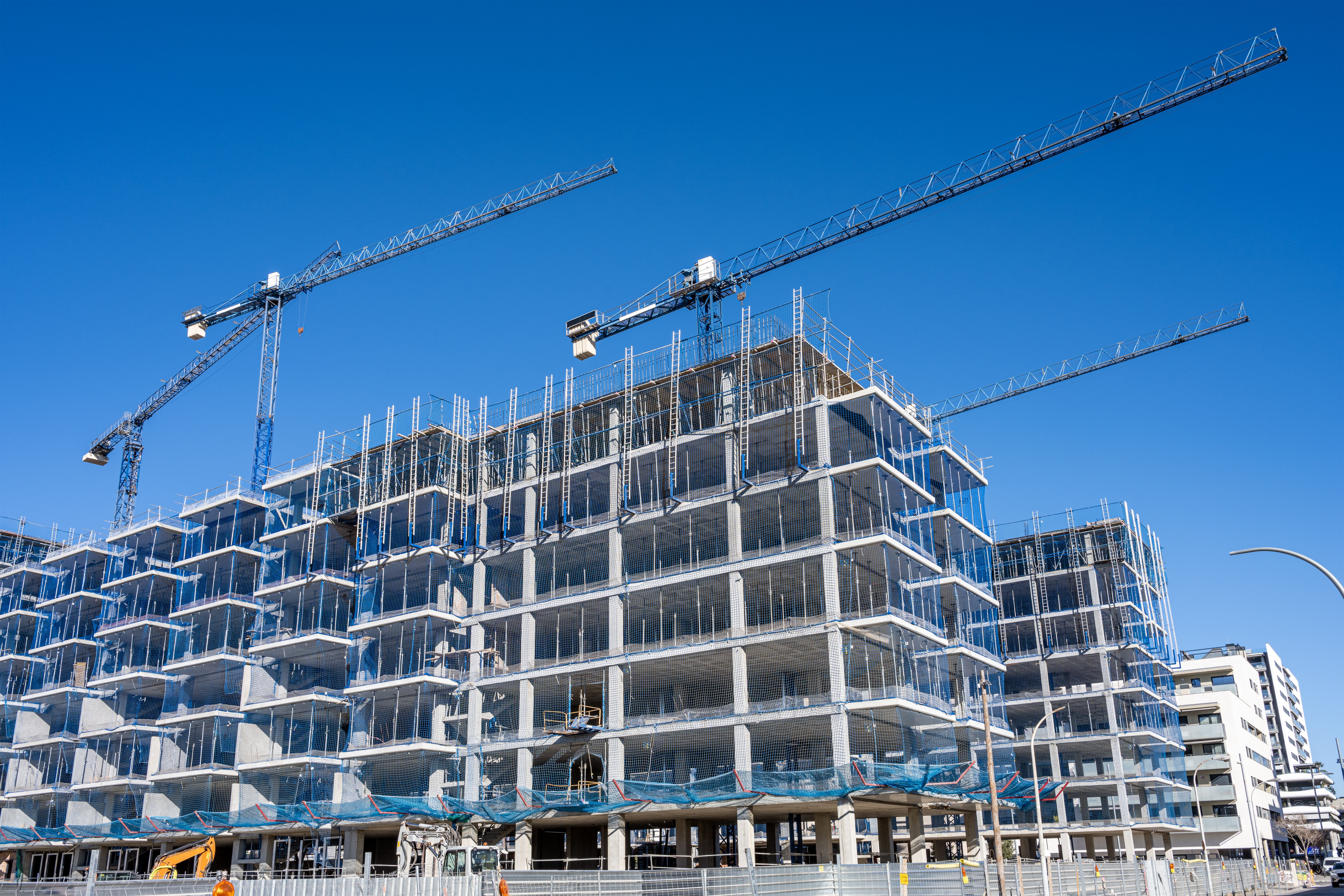
3. Height Exposure: A Major Pricing Factor
Height is one of the most heavily weighted underwriting considerations.
Insurers differentiate between:
· Work under 10 metres.
· Work over 10 metres
· High-rise or complex commercial structures
Higher working heights increase claim severity potential.
If your declared height exposure is inaccurate, you risk claim issues later — and potential premium adjustments.
Being transparent about height is critical.
4. Residential vs Commercial Work Split
Residential scaffolding generally presents:
· Lower structural complexity
· Shorter installation periods
· Reduced public exposure
Commercial scaffolding often involves:
· Higher structures
· Longer installation periods
· Greater third-party interface
· Stricter contractual requirements
A higher percentage of commercial work typically increases the premium.
5. Subcontractor Usage
Subcontractor percentage significantly impacts pricing.
Insurers assess:
· Percentage of turnover paid to subcontractors
· Whether subcontractors carry their own insurance
· How works are supervised
· Risk management processes
Heavy subcontractor reliance may:
· Increase premium
· Trigger additional underwriting questions.
· Lead to policy conditions.
Some insurers prefer scaffolders who operate primarily with direct employees.
Claims History
A clean claims history strengthens your negotiating position.
Prior claims — especially serious injury or collapse-related incidents — can:
· Increase premium
· Restrict insurer appetite
· Reduce available capacity
Underwriters closely review the 5-year claims history when assessing scaffolding risks.
Experience in the Industry
Startups and new businesses are viewed as higher risk.
Insurers look at:
· Years of scaffolding experience
· Licensing
· Safety systems
· Previous employment background
An established contractor with 10+ years’ experience will generally receive more favourable terms than a first-year startup.
That doesn’t mean startups can’t obtain cover — but premiums reflect perceived risk.
Limit of Indemnity Selection
The difference between:
· $5 million
· $10 million
· $20 million
can materially impact the premium.
Commercial builders typically require $20 million. Residential projects may accept $10 million.
Choosing the correct limit should reflect contractual obligations and risk exposure — not just price sensitivity.
Additional Covers That Impact Total Insurance Cost
Beyond liability, total insurance spend may include:
· Plant & equipment cover
· Tool insurance
· Contract works
· Workers compensation (separate statutory premium)
Your total insurance program cost is the combination of all required covers.
Why Two Scaffolders With Similar Turnover Pay Different Premiums
This is one of the most misunderstood aspects of scaffold insurance.
Two businesses with identical turnover can have dramatically different premiums based on:
· Height exposure
· Claims history
· Safety documentation
· Subcontractor usage
· Commercial vs residential mix
Turnover is just one metric.
Risk profile drives pricing.
The 2026 Market Environment
The Australian scaffold insurance market in 2026 remains disciplined and selective.
Underwriters are focused on:
· Transparent disclosure
· Accurate business descriptions
· Clean loss history
· Clear subcontractor controls
Incomplete or inconsistent information can result in:
· Higher premiums
· Declines
· Coverage restrictions
Accuracy strengthens your negotiating leverage.
How to Reduce Your Scaffold Insurance Premium
While you cannot eliminate risk exposure, you can position your business favourably by:
· Maintaining a clean claims history
· Documenting safety procedures
· Limiting uncontrolled subcontractor use
· Being transparent about heights
· Demonstrating industry experience
Insurance pricing is not purely fixed — positioning matters.
The Bottom Line on Cost
Scaffold Insurance in Australia in 2026 is priced according to:
· Risk severity
· Structural exposure
· Operational transparency
There is no universal rate.
But there is a consistent principle:
Lower perceived risk = stronger underwriting support = better pricing.
If you understand what insurers are assessing, you can influence how your business is viewed.
And that directly impacts what you pay.
Key Factors That Impact Your Scaffold Insurance Premium
Understanding cost is one thing. Understanding why you are paying that cost is another.
If you’re serious about optimising your position under Scaffold Insurance in Australia: Costs, Coverage, Legal Requirements & How to Get the Best Policy (2026 Guide), you need to think like an underwriter.
Scaffold insurance pricing is not random. It is structured around risk weighting. Insurers assess scaffolding contractors through a severity lens — because when scaffolding claims occur, they are often large.
Here are the key factors that directly influence your premium in 2026.
Working Height Exposure
Height is the single most influential underwriting factor in scaffolding.
Insurers will ask:
· What percentage of work is under 10 metres?
· What percentage is over 10 metres?
· What is the maximum height undertaken?
· Are any high-rise or multi-storey commercial projects performed?
Why it matters:
· Falls from height increase injury severity.
· Structural failure at greater heights increases third-party damage exposure.
· Wind load risk increases with height.
Even a small percentage of work above 10 metres can shift your risk classification.
Accuracy is critical. Under-declaring height exposure can lead to serious issues at claim time.

Nature of Projects: Residential vs Commercial
Residential scaffolding typically involves:
· Lower structures
· Shorter installation duration
· Lower pedestrian traffic
Commercial scaffolding may involve:
· Multi-level structures
· Public interface
· High-value properties
· Strict principal contractor oversight
Insurers differentiate clearly between these project types.
A business performing predominantly commercial work will often pay more than one focused on residential sites, even with similar turnover.
Annual Turnover
Turnover is used as a base exposure metric.
Higher turnover suggests:
· More projects
· Greater operational scale
· Higher potential for incidents
However, turnover alone does not define risk.
Two scaffolders earning the same revenue can be priced differently depending on:
· Height profile
· Claims history
· Subcontractor use
· Project complexity
Turnover is the starting point — not the full picture.
Subcontractor Percentage
Insurers examine subcontractor usage carefully.
Key considerations include:
· Percentage of turnover paid to subcontractors
· Whether subcontractors hold their own public liability insurance
· How subcontractors are supervised
· Whether indemnity agreements are in place
Heavy reliance on subcontractors increases uncertainty from an underwriting perspective.
The more control you retain over your workforce, the more comfortable insurers generally feel.
Transparent subcontractor reporting strengthens your credibility.
Claims History (Last 5 Years)
A clean claims record significantly strengthens your position.
Underwriters will review:
· Number of claims
· Severity
· Cause of loss
· Whether trends are present
Even a single serious injury or collapse-related claim can affect pricing for years.
Consistency matters. A pattern of small claims can be just as concerning as one large claim.
Years of Experience in the Industry
Experience reduces perceived risk.
Insurers assess:
· Years operating as a business
· Years working in scaffolding overall
· Licensing and training
· Previous employment background
Startup businesses are not automatically declined, but they are assessed cautiously.
Established operators with strong track records often receive broader insurer appetite.
Risk Management & Safety Procedures
Strong documentation influences underwriting outcomes.
Insurers look favourably upon businesses that can demonstrate:
· Documented safety systems
· Formal handover certificates
· Structured supervision
· Incident reporting procedures
Scaffolders who treat safety as a formalised system — not informal practice — tend to present better risk profiles.
Clear procedures reduce perceived volatility.
Policy Limit Selection
Choosing between:
· $10 million
· $20 million
It is not just a compliance decision — it influences pricing.
Higher limits mean greater insurer exposure.
However, commercial project requirements often dictate the limit required.
Attempting to save money by selecting a lower limit may exclude you from tender opportunities.
Accuracy of Disclosure
In 2026, underwriters expect clarity.
If your proposal form states:
· 70% under 10m
· 30% over 10m
Those figures must reflect operational reality.
Inconsistent or incomplete disclosure can:
· Increase premium
· Lead to endorsement restrictions.
· Cause claim complications
Transparency builds underwriting confidence.
Market Appetite & Capacity
Scaffolding is a specialised class of insurance.
Not all insurers participate in this space.
Capacity may be limited for:
· High-rise exposure
· Heavy subcontractor use
· Poor claims history
· New ventures
Working with an insurance broker familiar with scaffold underwriting markets can improve access to competitive terms.
The scaffold insurance market is not broad — it is selective.
Operational Controls
Insurers may ask:
· Do you provide handover certificates?
· Are scaffold inspections documented?
· Are employees licensed scaffolders?
· Is supervision present on-site?
Operational discipline reduces uncertainty.
The less ambiguity in your business model, the more confident underwriters become.
Business Structure & Stability
Insurers assess stability indicators such as:
· Years trading
· Financial stability
· Growth patterns
· Consistency of operations
Rapid expansion without documented controls can be viewed as an increased risk.
Measured growth supported by systems is viewed more favourably.
The Underwriting Mindset
Insurers assess scaffolders based on:
· Severity potential
· Operational control
· Transparency
· Historical performance
If your business can demonstrate:
· Experience
· Structured safety systems
· Honest disclosure
· Controlled subcontractor use
You place yourself in a stronger negotiating position.
Premium is not arbitrary.
It is a reflection of how your business appears on paper.
And in scaffolding, perception of risk drives everything.
What’s Covered — And What’s Often Excluded?
When reviewing Scaffold Insurance in Australia: Costs, Coverage, Legal Requirements & How to Get the Best Policy (2026 Guide), understanding what is covered is only half the equation.
The other half — and arguably the more important part — is understanding what is not covered.
In scaffolding, assumptions are expensive.
Policies are governed by wording—and wording matters.
Let’s break down the practical realities of what scaffold insurance typically responds to — and where limitations can apply.
What’s Typically Covered Under Scaffold Insurance
1. Third-Party Bodily Injury
The core protection of scaffold insurance is cover for third-party injury.
This includes claims arising from:
· A member of the public injured due to falling scaffold materials
· Another contractor injured while accessing the scaffold.
· A site visitor injured due to alleged instability
Legal liability must be established — but defence costs are generally included under public liability policies.
Given the severity potential of falls from height, this is the most critical component of scaffold insurance.
2. Third-Party Property Damage
Scaffolders may be liable for property damage arising from:
· Structural collapse
· Impact during erection or dismantling
· Wind-related incidents
· Falling components
Property damage claims can include:
· Building damage
· Vehicle damage
· Damage to adjacent properties
These claims can escalate quickly in urban or commercial environments.
3. Products & Completed Operations Liability
Liability does not end when the scaffold is dismantled.
Products and completed operations cover responds to claims arising after completion, including:
· Allegations of faulty installation
· Structural inadequacy claims
· Anchoring failures
Completed works exposure is essential for scaffolders.
Claims may arise after handover — sometimes weeks later.
Without this coverage, exposure remains.
4. Legal Defence Costs
Even where allegations are unfounded, legal defence can be costly.
Public liability policies typically cover:
· Legal representation
· Investigation costs
· Court proceedings
In scaffolding disputes, defence costs alone can be significant.
5. Damage to Installed Scaffolding (If Covered Under Separate Sections)
Where additional covers are in place, policies may respond to:
· Fire damage to scaffolding materials
· Theft from site
· Storm damage
This depends on whether contract works or material damage cover has been included.
It is not automatically included in all liability policies.
What’s Often Excluded or Restricted
Now the critical part.
Scaffold insurance does not provide unlimited protection.
Here are common areas where exclusions or limitations can apply.
1. Height Restrictions
Some policies specify:
· Work under 10 metres only.
· Maximum allowable height
If you perform work outside declared height limits and fail to disclose it, you may create coverage issues.
Height must always be declared accurately.
2. Undeclared Activities
If your declared business activity states:
“Scaffolding installation excluding roof tiling”
and you perform roofing-related work, you may fall outside the policy scope.
Activities must match actual operations.
Underwriters rely heavily on declared business descriptions.
3. Defective Workmanship
Most public liability policies do not cover the cost of rectifying your own defective work.
They typically cover resulting third-party damage, not the cost to fix your own scaffold installation if defective.
Understanding this distinction is critical.
Insurance protects against liability, not poor workmanship corrections.
4. Contractual Liability Beyond Standard Terms
If you sign contracts that expand your liability beyond common law obligations, some policies may not respond.
Certain indemnity clauses can create uninsured exposure.
This is why contract review matters on commercial projects.
5. Subcontractor Exposure
If subcontractors are used but not declared properly, or if policy conditions require subcontractors to carry their own insurance, failing to comply may create complications.
Some policies impose conditions regarding:
· Written agreements
· Insurance verification
· Supervision controls
Transparency protects you.
6. Known Defects or Prior Knowledge
Insurance does not cover:
· Incidents you were aware of before policy inception
· Known structural issues that were not addressed
Duty of disclosure applies.
7. Intentional or Criminal Acts
As with all liability policies, deliberate or criminal acts are excluded.
Why Policy Wording Differences Matter
Two scaffold insurance policies can appear similar in price, but differ significantly in:
· Height clauses
· Activity definitions
· Subcontractor conditions
· Completed operations scope
· Aggregate limits
Not all insurers approach scaffolding the same way.
Some offer a broader appetite for commercial work.
Others restrict height or subcontractor percentages.
This is where specialist underwriting knowledge becomes critical.
The Risk of Buying on Price Alone
Selecting the cheapest premium without reviewing:
· Endorsements
· Activity descriptions
· Height limits
· Subcontractor conditions
can create exposure.
A slightly lower premium is meaningless if a major claim falls outside the scope.
In scaffolding, claim severity can reach into the millions.
Coverage structure matters more than marginal premium savings.
The Practical Approach to Coverage
To ensure you are properly covered:
· Declare accurate height exposure.
· Clarify residential vs commercial split.
· Disclose subcontractor usage
· Confirm completed operations cover is included.
· Review policy wording carefully.
Scaffold insurance is not “one size fits all.”
It must reflect how your business actually operates.
The Bottom Line
Understanding what is covered — and what is excluded — is essential under Scaffold Insurance in Australia: Costs, Coverage, Legal Requirements & How to Get the Best Policy (2026 Guide).
In scaffolding:
· Exposure is high
· Claims can be severe.
· Policy wording is critical.
If you don’t understand your exclusions, you don’t truly understand your protection.
And in this industry, clarity is everything.
Comparing Scaffold Insurance Providers in Australia
If you’re serious about securing the right cover under Scaffold Insurance in Australia: Costs, Coverage, Legal Requirements & How to Get the Best Policy (2026 Guide), you need to understand something critical:
Not all insurers want scaffolding risks.
And not all policies are built for scaffolding exposure.
Scaffold insurance in Australia sits in a specialised underwriting class. That means the number of insurers willing to write scaffolding risks is smaller than for general trades, and the appetite varies significantly between providers.
Let’s break down what actually matters when comparing scaffold insurance options in 2026.
1. Specialist Scaffold Underwriters vs General Insurers
There is a clear distinction between:
· General liability insurers
· Specialist scaffold liability underwriters
General insurers may provide public liability cover for trades broadly. However, scaffolding carries specific exposures:
· Temporary works structures
· Height-related severity
· Structural dependency
· High public interface
Specialist underwriters design their policy wording around these exposures.
That often means:
· Clear scaffolding definitions
· Height clarity
· Completed operations understanding
· Structured underwriting questions
The difference becomes critical at claim time.
2. Appetite for Height Exposure
Some insurers:
· Restrict work over 10 metres.
· Require disclosure for higher structures.
· Apply endorsements to high-rise projects.
Others have a broader appetite but may price accordingly.
If your business regularly works over 10 metres or undertakes commercial high-rise projects, insurer selection becomes more limited.
Choosing an insurer whose appetite aligns with your operations avoids unnecessary restrictions.
3. Subcontractor Acceptance
Subcontractor usage is one of the most scrutinised factors in scaffold underwriting.
Different insurers have varying tolerances for:
· Percentage of subcontracted turnover
· Labour hire reliance
· Supervision processes
Some insurers prefer predominantly employee-based businesses.
Others will consider subcontract-heavy models, but require clear documentation and evidence of insurance controls.
This is why disclosure matters.
4. Policy Wording Differences
When comparing scaffold insurance providers, pay attention to:
· Definitions of “scaffolding operations”
· Height clauses
· Subcontractor conditions
· Products & completed operations scope
· Aggregate limits
Two policies with similar premiums can contain materially different wording.
In scaffolding, wording differences can be the difference between a covered claim and an uninsured exposure.
5. Capacity & Limit of Indemnity
Scaffolders commonly require:
· $10 million public liability
· $20 million public liability
Not all insurers offer the same capacity.
Some may provide full capacity.
Others may provide partial limits requiring layered placement.
On larger commercial projects, insurers with strong capacity are often preferred.
6. Claims Handling Reputation
When evaluating scaffold insurance providers, claims handling matters as much as pricing.
Key considerations:
· Construction claim experience
· Liability dispute handling capability
· Defence cost support
· Response time
In scaffolding, claims can escalate quickly.
Strong claims support is part of the policy value.
7. Underwriting Depth
Scaffold insurance proposals often include detailed questions such as:
· Years of industry experience
· Maximum height undertaken
· Percentage of work under 10 metres
· Subcontractor usage
· Nature of projects
Insurers who specialise in scaffolding understand these variables deeply.
This often leads to:
· More tailored pricing
· Clearer coverage structure
· Fewer surprises
8. Broker vs Direct Insurer
Many scaffolders obtain insurance through brokers rather than directly from insurers.
Why?
Because:
· Scaffold underwriting is niche.
· Appetite varies
· Proposal accuracy matters
· Negotiation can influence outcomes.
A broker familiar with scaffold markets understands:
· Which insurers are currently competitive
· Which markets favour startups
· Which underwriters accept higher heights
· How to structure submissions
Scaffolding is not a generic placement.
9. Startups vs Established Businesses
Different insurers approach startups differently.
Some may:
· Decline first-year scaffolders
· Require minimum experience thresholds.
· Apply higher premiums
Others may consider startups with demonstrated experience and structured safety systems.
Knowing which markets suit your profile is critical.
10. Why the Cheapest Option Isn’t Always the Best
In scaffolding, small premium differences can hide:
· Narrower wording
· Height restrictions
· Subcontractor limitations
· Reduced coverage scope
Given the severity potential of scaffold claims, policy structure should take priority over minor cost savings.
Price matters — but protection matters more.
11. 2026 Market Discipline
The Australian scaffold insurance market remains disciplined in 2026.
Underwriters expect:
· Clear disclosure
· Accurate turnover projections
· Honest height reporting
· Transparent subcontractor information
If information is inconsistent, insurers may:
· Restrict cover
· Increase pricing
· Decline the risk
Preparation influences outcomes.
The Smart Comparison Approach
When comparing scaffold insurance providers, assess:
1. Appetite alignment with your operations
2. Height tolerance
3. Subcontractor conditions
4. Completed operations coverage
5. Limit capacity
6. Claims reputation
7. Policy wording clarity
Do not compare on premium alone.
Compare the protection.
The Reality
Scaffold Insurance in Australia in 2026 is a specialised class.
There are fewer markets.
There is higher scrutiny.
There is greater claim severity potential.
Choosing the right insurer is not about brand recognition — it’s about underwriting alignment.
In scaffolding, alignment equals protection.
How to Get the Best Scaffold Insurance Policy in 2026
By now, you understand the structure, costs, legal framework, and underwriting factors behind Scaffold Insurance in Australia: Costs, Coverage, Legal Requirements & How to Get the Best Policy (2026 Guide).
Now we move to the most practical part:
How do you actually secure the best possible policy in 2026?
Not the cheapest.
Not the quickest.
The best — meaning appropriate protection, strong wording, competitive premium, and insurer alignment with your business model.
Here’s the structured approach scaffolders should follow.
Step 1: Get Your Business Data Accurate Before Applying
Underwriters price is based on declared exposure.
Before approaching insurers, clarify:
· Estimated annual turnover (next 12 months)
· Residential vs commercial percentage split
· Percentage of work under 10 metres
· Percentage of work over 10 metres
· Maximum height undertaken
· Subcontractor percentage (if any)
· Number of employees
· Years of industry experience
If these figures are inconsistent or unclear, your submission will appear risky.
Accuracy builds underwriting confidence.
Step 2: Be Transparent About Height Exposure
Height is one of the biggest pricing drivers.
Do not attempt to “round down” or understate exposure.
If you undertake work over 10 metres, declare it clearly.
Insurers prefer:
· Accurate disclosure
· Controlled exposure
· Clear maximum height parameters
Misrepresentation can create serious claim complications.
Transparency strengthens your position.
Step 3: Clarify Subcontractor Structure
If subcontractors are used:
· Confirm what percentage of turnover is subcontracted.
· Confirm whether they hold their own public liability insurance.
· Confirm supervision processes
Some insurers are comfortable with subcontractors.
Others are restrictive.
A clean, documented structure reduces underwriting friction.
Step 4: Document Safety Procedures
Insurers look favourably on scaffolders who can demonstrate:
· Formal safety systems
· Structured supervision
· Handover certificates
· Incident reporting processes
· Licensing compliance
You don’t need a 200-page manual.
But you do need documented processes.
In scaffolding, perceived control reduces perceived volatility.
Step 5: Prepare a Clean Claims History Summary
Underwriters commonly review the past five years.
If you’ve had claims:
· Provide context
· Show corrective action taken.
· Demonstrate improved procedures
One claim is not necessarily a problem.
Repeated patterns are.
Strong narrative matters.
Step 6: Work With a Broker Who Understands Scaffold Insurance
Scaffold underwriting is niche.
A broker experienced in scaffolding risks understands:
· Which insurers are competitive in 2026
· Which markets favour startups
· Which underwriters accept higher height exposure
· How to present your business correctly
Poorly presented submissions lead to:
· Higher premiums
· Reduced appetite
· Coverage restrictions
Well-structured submissions create leverage.
Step 7: Choose the Right Limit of Indemnity
Don’t select limits purely on cost.
Ask:
· What do my contracts require?
· What type of projects do I target?
· What is my realistic exposure?
Residential scaffolders may function on $10M.
Commercial contractors often require $20M.
Choosing a limit that is too low may exclude you from work opportunities.
Step 8: Review the Policy Wording Carefully
Before binding the cover, review:
· Height clauses
· Activity descriptions
· Subcontractor conditions
· Completed operations inclusion
· Any endorsements attached
If your operations don’t match the wording, adjust before binding.
Don’t wait for renewal to discover restrictions.
Step 9: Avoid Last-Minute Renewals
Leaving renewal until the final week:
· Reduces negotiation time
· Limits market access
· Weakens leverage
Start the review process early.
This allows:
· Market comparison
· Strategic positioning
· Proper documentation gathering
Timing affects outcomes.
Step 10: Position Your Business as Low Volatility
Underwriters think in terms of volatility and severity.
You strengthen your position by demonstrating:
· Stable turnover
· Controlled height exposure
· Limited subcontractor dependency
· Clean claims history
· Structured safety management
Lower perceived volatility = stronger pricing negotiation power.
Step 11: Reassess Your Policy Annually
Your operations evolve.
If you:
· Expand into higher structures.
· Increase commercial work
· Add subcontractors
· Grow turnover significantly
Your insurance must reflect that change.
Failure to update insurers can create exposure gaps.
Insurance should evolve with your business.

The Strategic Mindset
The best scaffold insurance policy in 2026 is achieved through:
· Accurate disclosure
· Structured documentation
· Proper market access
· Early negotiation
· Wording review
It is not about filling in a form and accepting the first quote.
It is about presenting your business professionally to underwriters.
Scaffolding is high-risk work.
But well-managed scaffolding businesses are insurable on competitive terms.
Positioning determines outcome.
Case Study: Startup Scaffolder vs Established Contractor
One of the most common questions behind Scaffold Insurance in Australia: Costs, Coverage, Legal Requirements & How to Get the Best Policy (2026 Guide) is this:
Why does my premium differ so much from that of another scaffolder with a similar turnover?
The answer lies in underwriting perception.
Let’s compare two realistic business profiles to illustrate how insurers assess risk — and why pricing can vary significantly even when revenue appears similar.
Scenario 1: Startup Scaffolder
Business Profile
· Operating for 6 months
· Projected turnover: $150,000
· 80% residential, 20% small commercial
· 90% of work under 10 metres
· 10% over 10 metres
· No prior claims
· No subcontractors
· Owner has 4 years of scaffolding experience.
Underwriter Perspective
From an underwriting standpoint, startups carry higher uncertainty because:
· Limited trading history
· No long-term claims record
· Financial stability not yet proven
· Risk controls not fully tested over time.
Even though this business works mostly under 10 metres and avoids subcontractors, the short trading history introduces volatility.
Likely Insurance Outcome
· Public Liability required: likely $10M
· Strong disclosure needed regarding experience
· Underwriter may request a detailed height breakdown.
· Premium is likely higher relative to turnover compared to established operators.
Startups are not uninsurable — but they are assessed cautiously.
The key driver here is the limited operational track record.
Scenario 2: Established Scaffolding Contractor
Business Profile
· Operating for 12 years
· Annual turnover: $1.2 million
· 60% commercial, 40% residential
· 50% under 10 metres
· 50% over 10 metres
· Clean 5-year claims history
· 6 direct employees
· Documented safety systems
· Formal handover certificates issued
Underwriter Perspective
Although this contractor undertakes significantly more high-risk work — including commercial and over 10 metres — they demonstrate:
· Stability
· Experience
· Clean claims performance
· Structured procedures
· Proven operational controls
Underwriters reward predictability.
Likely Insurance Outcome
· Public Liability required: likely $20M for commercial contracts
· Broader insurer appetite
· More competitive premium relative to turnover
· Greater negotiating leverage
Even with higher risk exposure, experience and documented controls improve underwriting confidence.
Why Premium Perception Differs
Many scaffolders assume:
“Lower turnover should mean lower premium.”
But insurers price based on:
· Severity potential
· Operational maturity
· Historical claims performance
· Control systems
A small startup can sometimes pay proportionally more per dollar of turnover than a larger, well-established contractor.
The reason is risk predictability.
How Insurers View Risk in Scaffolding
Underwriters assess scaffolders based on:
1. Height Exposure
2. Project Complexity
3. Subcontractor Use
4. Experience & Longevity
5. Claims History
6. Documentation & Safety Controls
Two businesses can share identical turnover but present very different underwriting risk profiles.
Example: Subcontractor Impact
Let’s adjust Scenario 2 slightly.
If the established contractor:
· Subcontracts 50% of turnover
· Has limited documented supervision
· Cannot confirm subcontractor insurance
Underwriter perception changes dramatically.
Even with a long trading history, heavy subcontractor dependency introduces uncertainty.
Premium may increase.
Some insurers may reduce appetite.
Additional conditions may apply.
Example: Claims Impact
If Scenario 2 had:
· A prior serious injury claim
· A structural collapse incident
Even if settled, this would impact:
· Pricing
· Available insurers
· Policy conditions
Claims history weighs heavily in scaffold underwriting.
The Core Lesson
Scaffold Insurance in Australia is not priced purely on revenue.
It is priced on:
· Exposure severity
· Predictability
· Operational control
Startups can secure competitive policies — but must present experience clearly.
Established businesses maintain competitive terms by:
· Controlling claims
· Documenting procedures
· Maintaining transparency
Underwriters reward clarity and control.
What Both Businesses Should Do
Regardless of size, scaffolders should:
· Provide accurate height breakdowns.
· Declare subcontractor use honestly.
· Maintain documented safety systems.
· Keep clean claims records.
· Review policy wording annually.
Whether startup or established, positioning influences premium.
Final Takeaway From These Scenarios
In scaffolding:
· Growth alone doesn’t reduce the premium.
· Experience reduces uncertainty
· Clean history builds leverage.
· Transparency builds trust
Insurance outcomes reflect how your business appears on paper.
And in 2026, disciplined underwriting means your documentation matters more than ever.
Frequently Asked Questions (FAQ)
Below are the most common questions scaffolders ask when researching Scaffold Insurance in Australia: Costs, Coverage, Legal Requirements & How to Get the Best Policy (2026 Guide).
These answers are structured clearly and directly — because in scaffolding, ambiguity creates risk.
1. How much does scaffold insurance cost in Australia in 2026?
Scaffold insurance premiums depend on:
· Annual turnover
· Height exposure (under or over 10 metres)
· Residential vs commercial split
· Claims history
· Subcontractor usage
· Experience in the industry
· Limit of indemnity selected ($10M or $20M)
There is no flat rate. Scaffolders are assessed individually because their claim severity potential is higher than that of many other trades.
Businesses with:
· Clean claims history
· Controlled height exposure
· Strong safety systems
are generally positioned more favourably.
2. Is scaffold insurance legally required in Australia?
Public liability insurance is not universally mandated by statute. However:
· Workers compensation is legally required if you employ staff.
· Commercial contracts almost always require public liability insurance.
· Head contractors demand a Certificate of Currency before site access.
Under Australia’s Work Health and Safety framework, scaffolding is classified as high-risk construction work. While the law focuses on safety obligations rather than specific insurance products, adequate insurance is practically essential to operate commercially.
3. Is $10 million public liability enough for scaffolders?
It depends on the type of work.
Residential scaffolding may often operate under $10 million cover.
Commercial and government projects commonly require $20 million public liability as a minimum.
Before selecting a limit, review:
· Contract requirements
· Project type
· Exposure severity
Choosing a limit that is too low can restrict tender opportunities.
4. Does scaffold insurance cover work over 10 metres?
It can — but only if declared and accepted by the insurer.
Height exposure must be disclosed accurately.
Some insurers restrict work above certain heights.
Others allow it but price accordingly.
If you undertake work over 10 metres and fail to declare it, coverage complications may arise during a claim.
Transparency is critical.
5. Does scaffold insurance cover subcontractors?
Coverage depends on policy wording and disclosure.
Insurers typically assess:
· Percentage of subcontracted turnover
· Whether subcontractors hold their own public liability insurance
· Supervision procedures
If subcontractors are used but not disclosed properly, issues may arise.
Clear documentation protects your business.
6. What documents do insurers require when applying?
Insurers commonly request:
· Business turnover estimates
· Residential vs commercial split
· Height breakdown
· Number of employees
· Subcontractor percentage
· Years of experience
· Claims history (last 5 years)
Accuracy strengthens underwriting confidence and pricing outcomes.
7. Can I get scaffold insurance as a startup?
Yes — but underwriting scrutiny will be higher.
Insurers will want clarity on:
· Your personal scaffolding experience
· Licensing
· Safety systems
· Project type
· Height exposure
Startups without industry experience may struggle.
Startups with documented experience can obtain cover, though pricing reflects perceived risk.
8. What does scaffold insurance not cover?
Common exclusions may include:
· Undeclared activities
· Work outside height limits.
· Rectification of defective workmanship
· Known defects
· Certain contractual liabilities beyond standard terms
Policy wording must always be reviewed carefully.
Never assume coverage.
9. Does scaffold insurance cover completed works?
Yes — if products and completed operations cover is included.
This protects you against claims arising after scaffold installation or dismantling.
Liability does not end when you leave site.
Completed works exposure is critical in scaffolding.
10. How can I reduce my scaffold insurance premium?
You can improve your position by:
· Maintaining a clean claims history
· Documenting safety procedures
· Limiting uncontrolled subcontractor use
· Being transparent about height exposure
· Reviewing policies early before renewal
Underwriters reward predictability and clarity.
Premium is influenced by how your business presents on paper.

Final Word on FAQs
Scaffold insurance in Australia is not generic trade insurance.
It reflects:
· Height exposure
· Structural risk
· Public interface
· Claim severity potential
Understanding these fundamentals helps you make informed decisions — rather than reacting at renewal time.
Protecting Your Scaffolding Business in 2026
Scaffolding is not a low-risk trade. It is high-exposure, high-consequence work carried out in one of Australia's most regulated industries.
Throughout this guide — Scaffold Insurance in Australia: Costs, Coverage, Legal Requirements & How to Get the Best Policy (2026 Guide) — we’ve broken down what actually matters:
· What scaffold insurance covers
· What it excludes
· How premiums are calculated
· Why height exposure is critical
· How subcontractors affect underwriting
· What legal and contractual pressures exist
· How to position your business correctly
Now let’s simplify it.
The Reality of Scaffolding Risk
If something goes wrong in scaffolding, it rarely results in a small claim.
Height amplifies severity.
Public exposure amplifies liability.
Structural dependency amplifies scrutiny.
One serious injury or structural failure can generate claims reaching into the millions.
Insurance is not about satisfying paperwork requirements.
It is about protecting:
· Your balance sheet
· Your future contracts
· Your reputation
· Your ability to continue operating
The 2026 Insurance Environment
The Australian scaffold insurance market in 2026 remains disciplined and selective.
Underwriters expect:
· Accurate disclosure
· Clear height breakdowns
· Transparent subcontractor reporting
· Structured safety procedures
· Clean claims history
If your business demonstrates control and stability, you are positioned strongly.
If your documentation is inconsistent, insurers price uncertainty.
The difference between competitive terms and restricted cover often comes down to preparation.
The Businesses That Secure the Best Outcomes
The scaffolders who consistently obtain strong insurance terms typically:
· Start renewal discussions early.
· Present accurate financial projections
· Maintain documented safety systems.
· Monitor subcontractor exposure
· Review policy wording carefully.
· Choose limits based on exposure, not just cost
They treat insurance as part of business strategy — not an afterthought.
A Government Reminder Worth Knowing
As noted by Safe Work Australia, scaffolding and work involving fall risks above two metres are classified as high-risk construction work.
That classification reinforces the legal sensitivity around scaffolding operations.
While public liability insurance itself may not be explicitly legislated, operating in a high-risk category increases the importance of having appropriate financial protection in place.
In simple terms:
The law expects safety.
The market expects insurance.
The Cost of Getting It Wrong
Trying to save a small premium by:
· Understating height exposure
· Avoiding disclosure
· Choosing the lowest limit
· Ignoring policy wording
can create exposure that far outweighs short-term savings.
In scaffolding, insurance gaps are not minor inconveniences.
They can be business-ending.
The Smart Approach Moving Forward
If you operate a scaffolding business in Australia, your insurance program should reflect:
· The type of projects you undertake
· The heights you work at
· The contracts you sign
· The workforce structure you use
· The growth direction of your business
Insurance should evolve with your operations.
Not lag behind them.
Final Takeaway
Scaffold Insurance in Australia in 2026 is not just about compliance.
It is about protection.
It is about positioning.
It is about sustainability.
When structured correctly, insurance becomes a stability tool — allowing you to focus on growing your scaffolding business with confidence.
When structured poorly, it becomes a hidden risk.
The choice is strategic.

Request a Tailored Scaffold Insurance Review
If you’re unsure whether your current policy reflects your actual operations, especially height exposure or subcontractor usage, now is the time to review it. A structured assessment can uncover gaps before they become claims.
Speak to a Specialist in Scaffolding Insurance (us)
Scaffolding is not a generic trade class. Work with someone who understands scaffold underwriting markets, height sensitivities, and policy wording nuances. The right advice in 2026 can mean stronger protection and more competitive pricing.