Scaffold Insurance in Australia: A Complete Guide for Scaffolders in 2026
Ja
Why Scaffold Insurance Matters in Australia
Scaffold insurance is not just another business expense. For scaffolding businesses operating in Australia, scaffold insurance is
one of the most critical protections to put in place.
Scaffolding work is carried out at height, often in live construction environments and public spaces. The margin for error is
small, and the consequences of a single incident can be severe. Scaffold insurance plays a central role in protecting the
business, clients, members of the public, and the long-term viability of scaffolding operations.
Whether you are a small scaffolding contractor, a growing commercial scaffolding company, or a business supplying and
erecting temporary access systems, understanding scaffold insurance—and how insurers assess scaffolding risk—is essential.
This guide explains scaffold insurance in clear, practical terms using industry-specific information relevant to Australian
scaffolders. No hype. No assumptions. Just what matters.
WhatIs Scaffold Insurance and Why Is ItImportantin Australia?
Scaffold insurance is specialist liability insurance designed specifically for scaffolding businesses. It is not generic construction
insurance, and it is not interchangeable with standard public liability policies used by lower-risk trades.
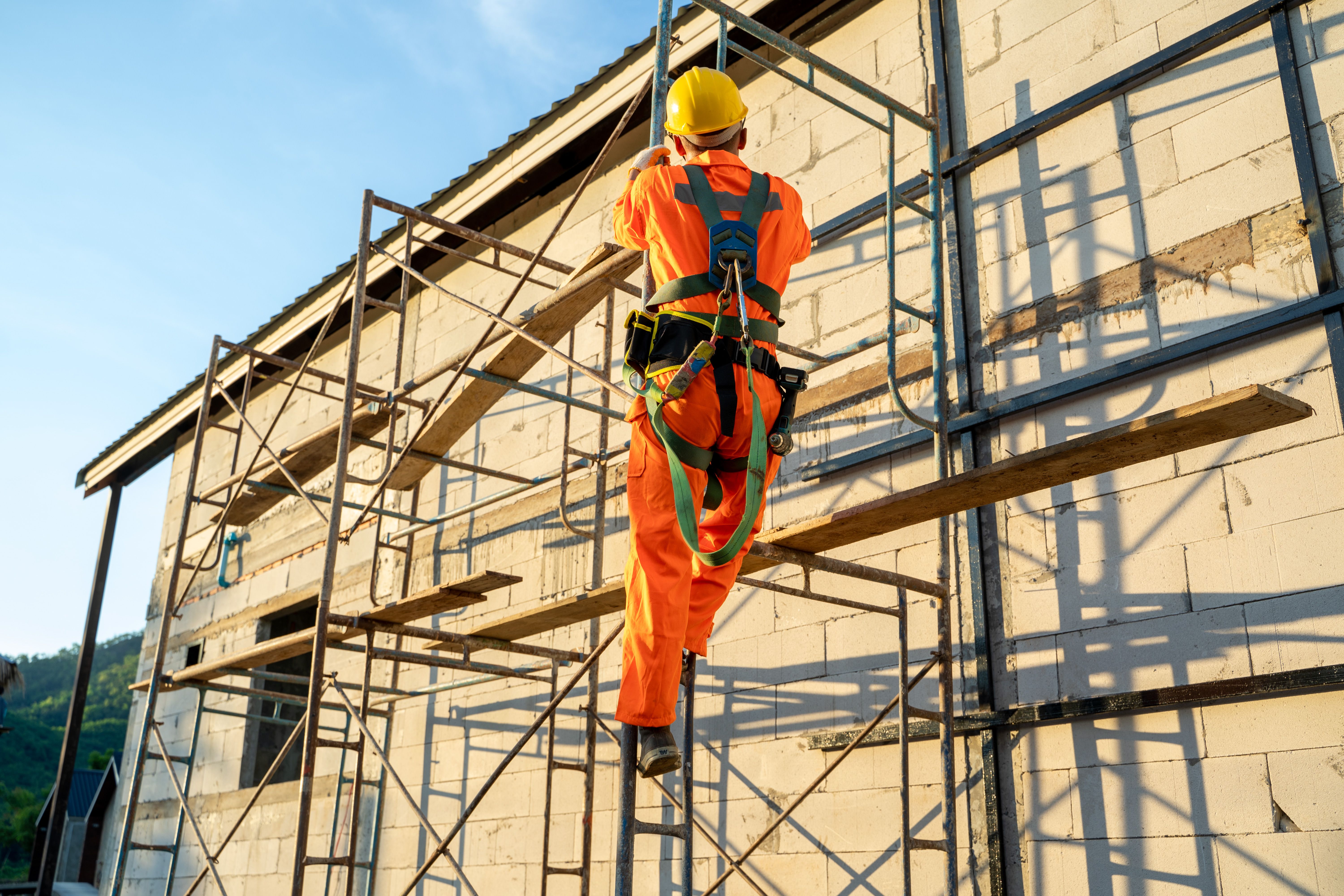
Scaffolding is widely recognised by insurers and industry bodies as a high-risk occupation due to:
*Working at height
*Temporary structures
*Interaction with other trades
*Exposure to the public
*Risk of structural failure or collapse
In Australia, scaffold insurance exists because standard business insurance policies are often inadequate for these risks. Many
insurers exclude scaffolding entirely or impose strict limitations unless the policy is specifically designed for scaffolding
operations.
Industry bodies consistently emphasise the importance of having insurance that aligns with the real-world risks of scaffolding
work, not just compliance on paper.
Why Scaffolders Need Specialist Scaffold Insurance (Not Generic Public Liability)
A common mistake among scaffolding businesses—particularly new operators—is assuming that a standard public liability
policy is sufficient.
In reality, scaffolding presents unique exposure points that generic insurance policies are not structured to handle.
Height-Related Risk
Scaffolding work inherently involves elevated platforms. Insurers treat height as a critical underwriting factor, and scaffold
insurance policies often specify maximum working heights. Without scaffold-specific insurance, height-related incidents may
be excluded entirely.
Temporary Structures
Scaffolding is temporary by nature. Failures during erection, alteration, or dismantling can result in injury or property damage.
Scaffold insurance is designed to respond to these exact scenarios.
Third-Party Exposure
Scaffold structures are commonly installed in:
*Commercial construction sites
*Residential streets
*Public footpaths
*Live building environments
This creates increased exposure to pedestrians, neighbouring properties, and other trades, which insurers assess very
carefully.
Legal and Contractual Requirements
Many head contractors, developers, and councils require scaffolders to hold specific scaffold liability insurance—not just any
public liability policy.
Core Covers Included Under Scaffold Insurance Policies
Scaffold insurance policies vary by insurer and underwriting agency, but they are generally built around Public & Products
Liability and structured specifically for scaffolding operations.
Public & Products Liability
This is the foundation of scaffold insurance. It provides cover for:
Injury to third parties
Property damage to third-party assets
Legal defence costs arising from claims
In scaffolding operations, this may include:
Injury to a member of the public caused by falling materials
Damage to a building façade resulting from scaffold collapse
Injury to another contractor caused by scaffold failure
Property Damage
Scaffold insurance typically responds to accidental property damage caused by scaffolding activities, including during:
Erection
Alteration
Use
Dismantling
Given the proximity of scaffolding to buildings, vehicles, and infrastructure, this cover is essential.
Legal Defence Costs
Claims involving scaffolding frequently result in legal action, even where fault is disputed. Scaffold insurance includes legal
defence costs associated with covered claims, which can be substantial.
How Scaffold Insurance Is Assessed by Insurers
Scaffold insurance is underwritten carefully. Insurers do not apply a one-size-fits-all approach to scaffolding risks.
Key underwriting considerations include:
Nature of Scaffolding Work
*Insurers assess whether the business performs:
*Residential scaffolding
*Commercial scaffolding
*Industrial scaffolding
*Each type carries a different risk profile.
Height Limits
Most scaffold insurance policies specify a maximum working height. Exceeding the declared height—even once—can
jeopardise coverage if it is not disclosed and accepted.
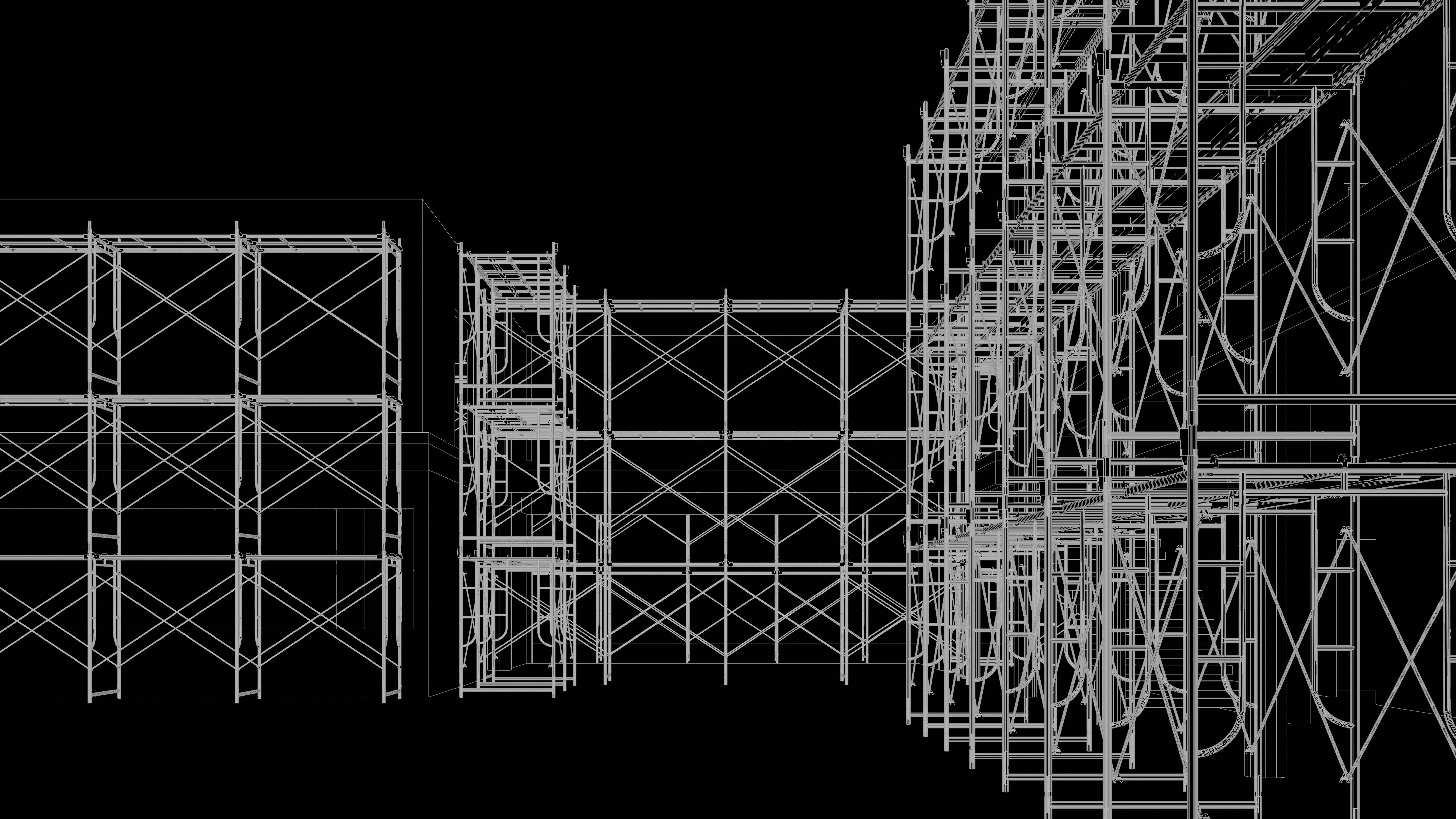
Type of Scaffolding Systems
Insurers require clarity on the systems used, including:
*Tube and coupler systems
*Modular systems
*Suspended scaffolding
Use of Subcontractors
Underwriters commonly require:
*Subcontractors to hold their own insurance
*Minimum liability limits
*Principal indemnity arrangements
Experience and Safety Controls
Insurers look favourably on scaffolding businesses that demonstrate:
*Documented safety procedures
*Trained and experienced workers
*Compliance with applicable industry standards
Common Conditions, Exclusions, and Risk Controls in Scaffold Insurance
Scaffold insurance is not unlimited. Policies commonly include conditions that must be followed to maintain coverage.
Height Restrictions
Working above the declared height without insurer approval can invalidate cover.
Subcontractor Conditions
Policies may require proof that subcontractors carry adequate insurance in their own right.
Compliance With Standards
Failure to comply with applicable Australian Standards may affect claim outcomes.
Disclosure Obligations
Scaffold insurance relies heavily on accurate disclosure. Incorrect or incomplete information can result in claims being declined.
Who Offers Scaffold Insurance in Australia?
Scaffold insurance in Australia is typically arranged through:
*Specialist underwriting agencies
*Industry-aligned insurers
*Insurance brokers with scaffolding expertise like us
Industry participants consistently highlight the importance of tailored scaffold insurance solutions rather than off-the-shelf
policies.
How to Choose the Right Scaffold Insurance Policy
Choosing scaffold insurance should never be rushed.
Key considerations include:
*Does the policy specifically list scaffolding as the insured activity?
*Are height limits clearly stated and suitable for the work performed?
*Are subcontractor arrangements appropriately addressed?
*Is the insurer experienced in scaffolding risks?
The cheapest scaffold insurance policy is rarely the safest. Coverage must be fit for purpose.
Real-World Scaffold Insurance Scenarios
Scenario 1: Injury to a Pedestrian
A loose scaffold component falls during dismantling, injuring a passerby. Scaffold insurance responds to injury claims and legal
defence costs.
Scenario 2: Property Damage
Scaffold ties damage a neighbouring property. The scaffold insurance policy covers repair costs and legal liability.
Scenario 3: Disputed Liability
A claim is made where the fault is unclear. Legal defence costs are covered while liability is determined.
Getting Scaffold Insurance the Right Way
Scaffold insurance works best when arranged with full disclosure and specialist advice.
Scaffolding businesses that engage professionals who understand scaffolding risks benefit from:
*Correct policy structure
*Fewer claim disputes
*Better long-term insurability
Frequently Asked Questions About Scaffold Insurance
Is scaffold insurance mandatory in Australia?
While not legislated as a single policy, scaffold insurance is commonly required by contracts, councils, and principals.
Does scaffold insurance cover subcontractors?
Only if policy conditions are met. Many policies require subcontractors to hold their own insurance.
Are height limits strict under scaffold insurance policies?
Yes. Height limits are a critical policy condition.
Can scaffold insurance cover both residential and commercial work?
Yes, provided both are disclosed and accepted by the insurer.

Final Thoughts: Scaffold Insurance Is Not Optional
Scaffold insurance is not about ticking a box. It protects businesses operating in one of Australia’s highest-risk trades.
The right scaffold insurance policy protects livelihoods, reputations, and long-term business survival.
If you are a scaffolder operating in Australia, generic insurance is a gamble. Specialist scaffold insurance is not optional.