Public Liability Insurance
Ja
Public liability insurance is one of the most important protections an Australian business can have, yet it’s also one of the most commonly misunderstood. Whether you operate a small retail store, run a contracting business, or work in higher-risk industries like construction or scaffolding, a single incident involving a third party can result in claims totalling millions. In those moments, public liability insurance is not just a safety net — it is often the difference between a business surviving or collapsing under financial pressure.
Across Australia, businesses interact with the public in ways they often take for granted. Customers walk through premises, pedestrians pass work sites, and neighbouring properties sit close to commercial activity. When something goes wrong — a slip, a falling object, accidental property damage — liability is rarely straightforward, and legal action can escalate quickly. Public liability insurance exists to protect businesses when those risks become real, covering legal defence costs, compensation claims, and the financial fallout that follows.
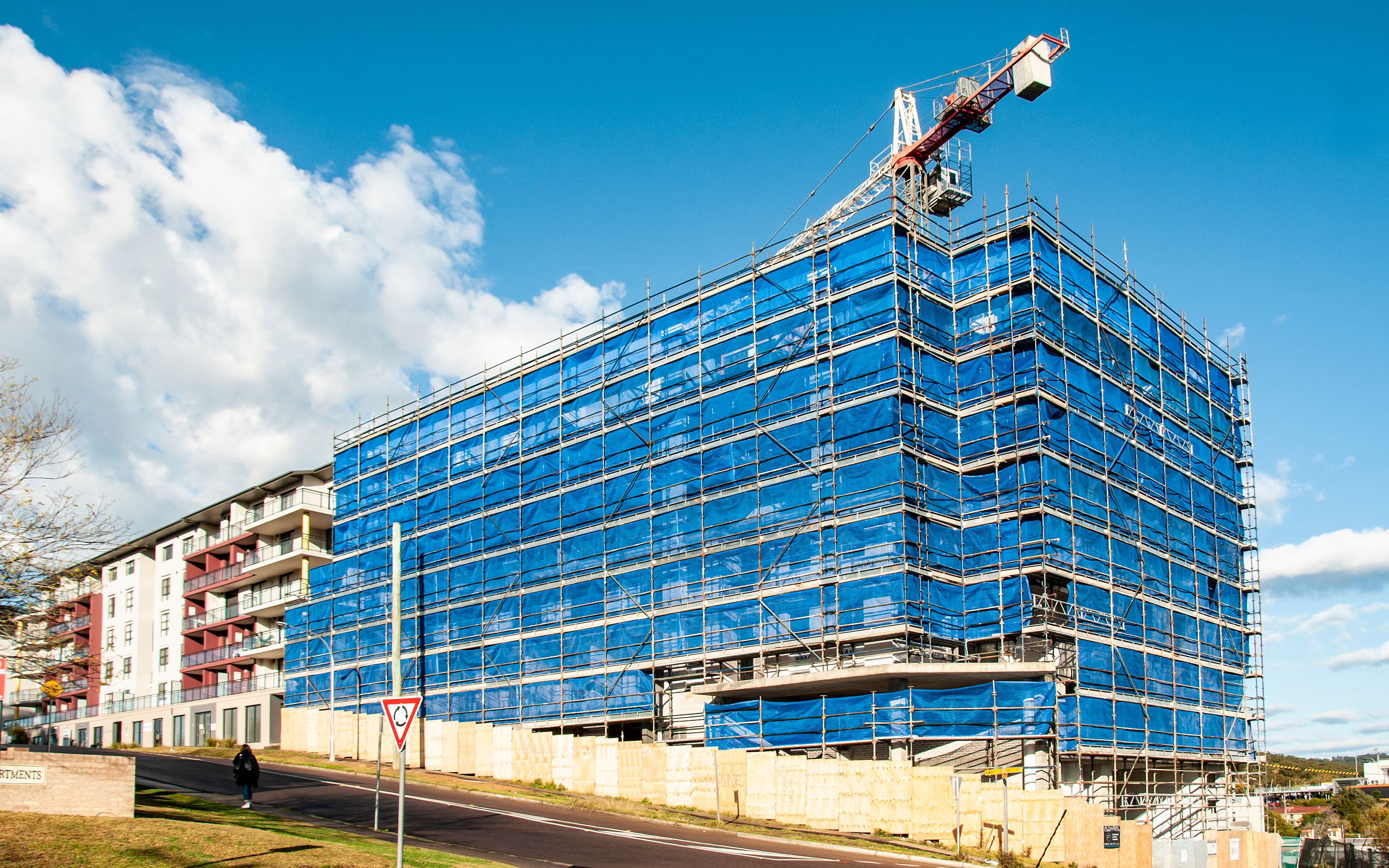
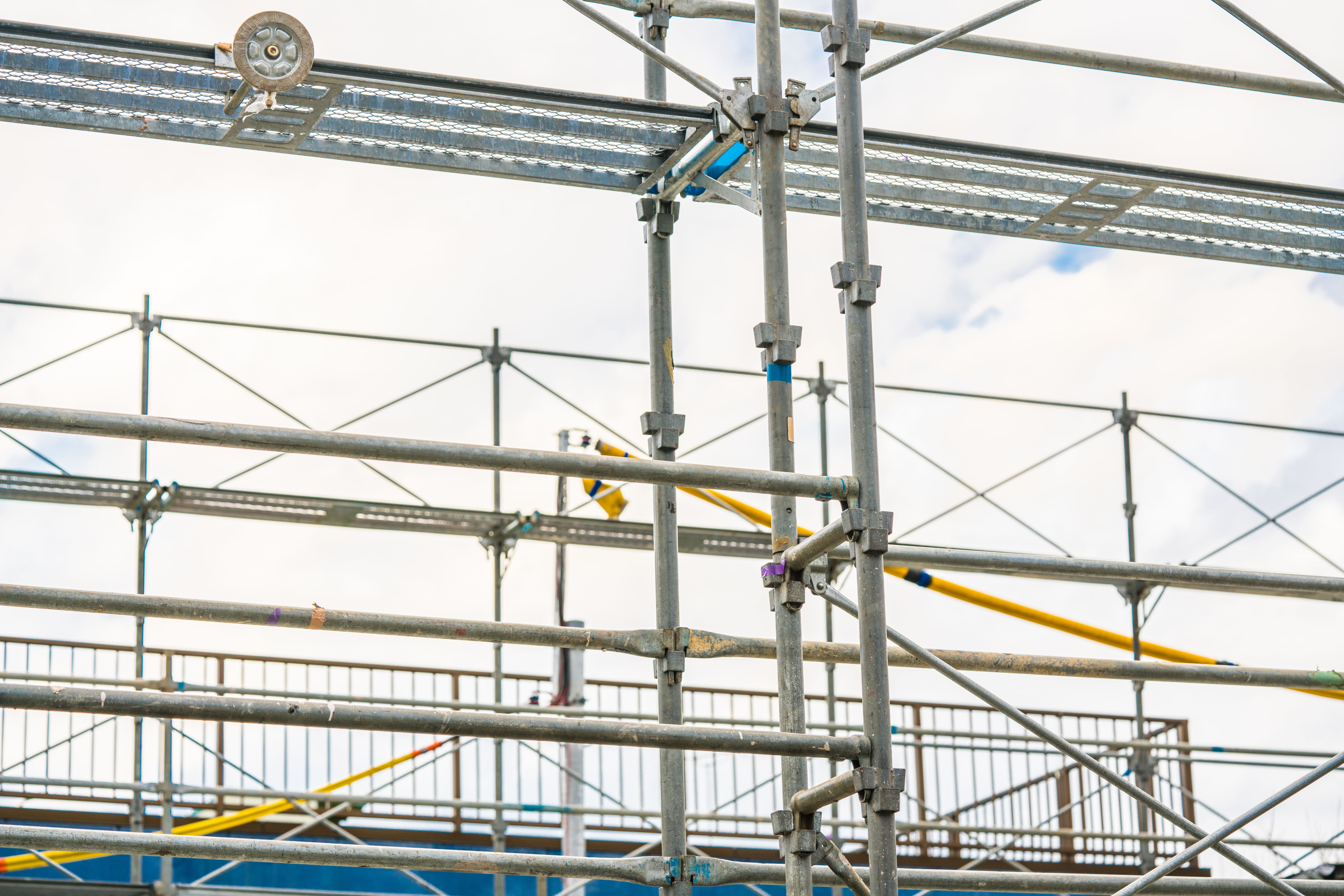
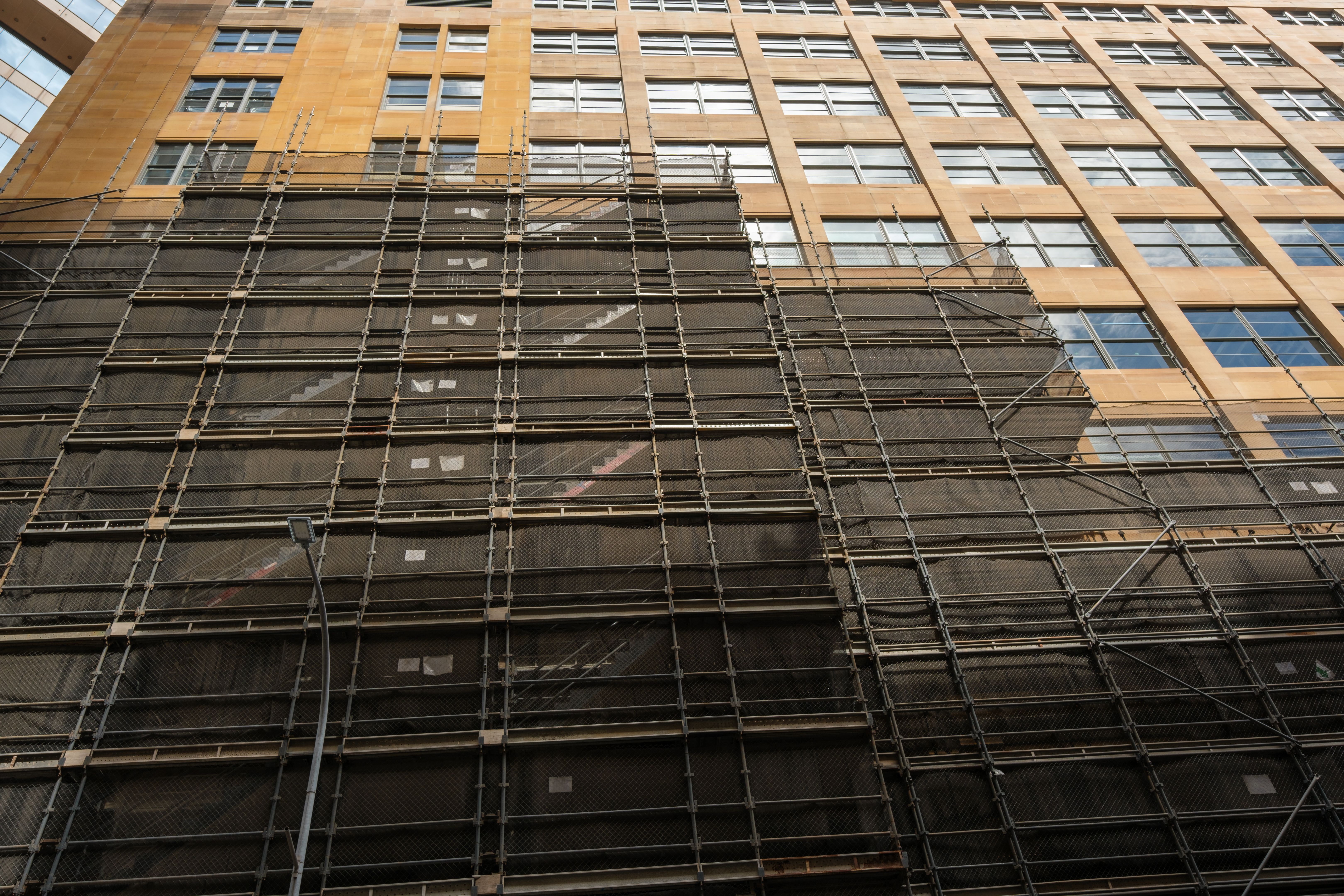
For businesses operating in construction and height-related trades, the stakes are even higher. Scaffolding work, in particular, creates a unique risk profile involving public access, temporary structures, and elevated hazards. As outlined in Australian insurer guidance and industry documentation, scaffolding insurance is incomplete without properly structured public liability insurance. Without it, even a minor incident can trigger legal disputes that threaten the business's future.
Despite its importance, many Australian businesses either misunderstand what public liability insurance covers or assume they are protected when they are not. Policies that appear adequate on paper can fail when activities are not disclosed correctly, limits are too low, or exclusions apply. This gap between expectation and reality is where many businesses are caught out — often at the worst possible time.
This guide breaks down public liability insurance in Australia in clear, practical terms. It explains what the cover does, who needs it, how it works in real-world scenarios, and why businesses — especially those involved in scaffolding and construction — must approach it carefully. The goal is simple: to help Australian business owners understand their exposure, protect themselves properly, and make confident insurance decisions based on how public liability insurance actually works, not how it is assumed to work.
What Public Liability Insurance Covers (and Where Australian Businesses Get Caught Out)
Public liability insurance exists for one core purpose: to protect Australian businesses when their activities cause injury to a third party or damage to someone else’s property. On the surface, that sounds simple. In practice, this is where misunderstandings are most common — and where businesses often discover too late that their assumptions about cover don’t match reality.
Claims rarely start with dramatic incidents. Most begin with something small: a trip, a minor impact, a brief loss of access, or accidental damage. When the affected party is a customer, visitor, pedestrian, or neighbouring property owner, those minor events can escalate quickly into legal disputes, compensation demands, and significant defence costs. Public liability insurance is designed to respond at that point — provided the policy is structured correctly and the activity falls within what was disclosed.
Below is a clear breakdown of what public liability insurance generally covers for Australian businesses, and where the gaps most commonly appear.
Injury to Third Parties
One of the primary protections under public liability insurance is cover for bodily injury to third parties. A third party is anyone who is not the business owner or an employee. This typically includes customers, visitors, members of the public, neighbouring occupants, and other non-employees affected by business activities.
Examples of injury claims commonly seen across Australian businesses include:
· A customer slipping or tripping on business premises.
· A visitor being injured by unsecured equipment
· A pedestrian hurt near a worksite
· A member of the public injured due to temporary structures or access issues
In construction and scaffolding environments, injury claims often involve falling objects, unauthorised access, or inadequate separation between work areas and public spaces. These risks are inherent to the nature of the work, which is why insurers assess such activities more carefully.
When a claim is made, public liability insurance typically responds by covering:
· Legal defence costs
· Investigation and expert fees
· Compensation or settlement amounts (subject to policy limits)
What catches businesses out is the assumption that injury must be severe for a claim to be made. In reality, even relatively minor injuries can lead to legal action once medical costs, lost income, and alleged negligence are involved.
Damage to Third-Party Property
Public liability insurance also covers unintentional damage to property that does not belong to the insured business. This includes buildings, vehicles, fixtures, equipment, and other physical assets owned by third parties.
Common Australian examples include:
· Damage to neighbouring buildings during works
· Impact on parked vehicles near a worksite
· Accidental structural damage caused during the installation or removal of temporary works
· Broken glazing, fencing, or signage
For businesses operating around existing structures or public infrastructure, property damage claims are frequent. Even when work is carried out professionally, accidents still occur — and property owners will pursue recovery of costs where loss or damage arises.
Public liability insurance is designed to respond by covering repair or replacement costs, as well as legal expenses associated with the claim, provided the damage arose from insured business activities.
Where businesses get caught out is assuming that all property damage is covered. Damage to the business’s own property, tools, or equipment is not covered under public liability insurance and requires separate insurance arrangements.
Legal Defence and Investigation Costs
One of the most underestimated aspects of public liability insurance is the cost of defending a claim. Even when a business believes it is not at fault, legal action can still be initiated. Defending that action involves lawyers, expert reports, investigations, and court processes — all of which are expensive.
Public liability insurance generally covers:
· Legal defence costs
· Investigation expenses
· Expert witness and consultant fees
· Court-related costs
In complex claims — particularly those involving construction sites or multiple parties — liability may be disputed for extended periods. Defence costs can accumulate quickly, sometimes exceeding the compensation amount itself.
Without public liability insurance, businesses must fund these costs out of pocket, regardless of the claim outcome. This is one of the most common pathways to financial stress following an incident.
Compensation and Settlement Payments
When liability is established, or a matter is settled, public liability insurance may pay compensation to the injured party or property owner, subject to policy terms and limits.
These payments can include:
· Medical expenses
· Loss of income
· Pain and suffering
· Repair or replacement costs
In Australia, compensation amounts can be substantial, particularly where injuries have long-term consequences. This is why selecting an appropriate limit of indemnity is critical. Limits that appear high at purchase can be exhausted quickly once legal, and compensation costs are combined.
Businesses that choose limits based solely on price often underestimate the financial exposure they face when claims arise.
Where Australian Businesses Commonly Get Caught Out
Despite holding public liability insurance, many businesses discover coverage gaps at claim time. The most common issues include:
· Activities not disclosed at policy inception.
· Assumptions that all work is automatically covered
· Limits that are insufficient for the size of the claim
· Confusion between public liability and other insurance types
For higher-risk activities, these gaps are more likely to surface. Policies must reflect what the business actually does — not what it intends to do, or what it believes is “close enough”.
Why Understanding Coverage Matters Before a Claim
Public liability insurance is most valuable when expectations match reality. Businesses that clearly understand what is covered, how claims work, and where limitations apply are far better positioned to protect themselves when something goes wrong.
This understanding becomes even more critical in industries where public exposure and physical risk are unavoidable — and where insurers apply stricter underwriting standards as a result.
What Public Liability Insurance Does Not Cover
Understanding what public liability insurance doesn’t cover is just as important as knowing what it does. In Australia, a large proportion of disputed or denied claims arises not because a policy didn’t exist, but because the business assumed coverage where none applied. These gaps are rarely obvious at purchase — they only surface when a claim is lodged.
Public liability insurance is deliberately specific in scope. It responds to third-party injury and third-party property damage arising from insured business activities. Anything outside that framework generally requires a different policy or is excluded entirely. Below are the most common exclusions that catch Australian businesses out.
Injury to Employees
Public liability insurance does not cover injury to employees. This is one of the most frequent misunderstandings.
In Australia:
· Employee injuries are covered under workers' compensation, not public liability insurance.
· According to Sprintlaw, injuries to employees are generally not covered by public liability insurance, so if a business only has this type of insurance and an employee is injured—regardless of whether the incident happens on-site, off-site, or while travelling for work—there is no cover for that employee. Workers compensation insurance, which is mandatory for employers, is designed to cover employee injuries. The absence of workers' compensation can lead to severe penalties, uninsured claims, and regulatory consequences.
For businesses that use subcontractors, the line can blur. If a worker is deemed an employee rather than a genuine subcontractor, liability may still fall back on the business — making correct classification and insurance structure critical.
Damage to Your Own Property
Public liability insurance does not cover:
· Your own buildings
· Your tools or equipment
· Your stock or materials
· Temporary works you own or control
If a business damages its own assets, that loss must be covered under other insurance types, such as property or contract works insurance. Public liability insurance only responds when someone else’s property is damaged, and the business is legally liable.
This distinction is especially important in construction-related activities, where businesses often work in close proximity to assets they partially control but do not legally own.
Faulty Workmanship Itself
Another common misconception is that public liability insurance covers the cost of fixing poor-quality work. It does not.
Public liability insurance generally excludes:
· The cost to repair or redo faulty workmanship
· Defects arising from poor installation or incorrect methods
However, it may cover resulting injury or damage caused by that faulty work. For example, if defective work leads to damage to third-party property or causes injury, the resulting loss may be covered — but not the cost of correcting the work itself.
This distinction is critical and often misunderstood until a claim arises.
Intentional or Reckless Acts
Public liability insurance is designed to respond to accidents — not deliberate actions. Claims arising from intentional damage, wilful misconduct, or reckless behaviour are typically excluded.
This includes:
· Deliberate property damage
· Knowingly unsafe practices
· Ignoring mandatory safety controls
Insurers assess claims not just on outcomes, but on behaviour. Where conduct falls outside reasonable standards, cover may be restricted or denied entirely.
Undisclosed or Incorrectly Disclosed Activities
One of the most serious — and preventable — causes of denied claims is non-disclosure.
Public liability insurance only covers activities that were:
· Accurately described at policy inception.
· Accepted by the insurer
· Reflected in the policy wording
If a business undertakes work outside what was disclosed — even unintentionally — the insurer may argue that the activity falls outside the insured risk. This is particularly relevant where a business’s operations evolve over time.
In higher-risk industries, insurers rely heavily on disclosure to assess exposure. Vague or incomplete descriptions often result in policies that appear valid but fail when tested.
Contractual Liabilities Beyond Negligence
Public liability insurance generally responds to claims arising from negligence under common law. It does not automatically cover liabilities assumed purely by contract.
Examples include:
· Contractual penalties
· Guarantees or warranties
· Indemnities that extend beyond legal liability
Many Australian businesses sign contracts without realising they have accepted liabilities that sit outside standard public liability insurance cover. When a claim arises under those clauses, the policy may not respond.
Understanding the interaction between contracts and insurance is essential, particularly in commercial and construction environments.
Why These Exclusions Matter in Practice
Most businesses don’t fail to insure — they fail to insure correctly. Public liability insurance works exceptionally well when aligned with actual activities and realistic risk exposure. It fails when assumptions replace understanding.
The most dangerous phrase in insurance is: “I thought that would be covered.”
By knowing what public liability insurance does not cover, Australian businesses can:
· Avoid false confidence
· Structure complementary insurance correctly
· Disclose activities accurately
· Prevent claim disputes before they occur.
This clarity becomes even more important in industries where risk is elevated and scrutiny is higher.
Who Needs Public Liability Insurance in Australia (and Why Some Businesses Are Treated Differently)
In Australia, public liability insurance is not universally mandated by legislation — but in practical terms, it is essential for most businesses. The moment a business interacts with the public, operates on third-party property, or creates a risk beyond its own premises, exposure exists. When something goes wrong, liability follows quickly, and without public liability insurance, the financial consequences can be immediate and severe.
What varies is not whether public liability insurance is needed, but how much cover is required, how it must be structured, and how closely it is scrutinised.
Businesses That Commonly Require Public Liability Insurance
Public liability insurance is relevant across a broad spectrum of Australian business types. While risk profiles differ by industry, the underlying exposure is the same: injury or property damage suffered by someone outside the business.
Businesses that commonly require public liability insurance include:
· Trades and contractors
· Construction and scaffolding businesses
· Retail stores and shopping centres
· Hospitality venues such as cafés, restaurants, and bars
· Professional services with client-facing premises
· Event operators, stallholders, and exhibitors
· Mobile businesses operating at client sites
For many of these businesses, public liability insurance is not optional. It is required before leases are signed, sites are accessed, or work is allowed to commence. Councils, landlords, and commercial clients routinely demand evidence of cover as a condition of engagement.
Public Interaction Automatically Creates Liability Exposure
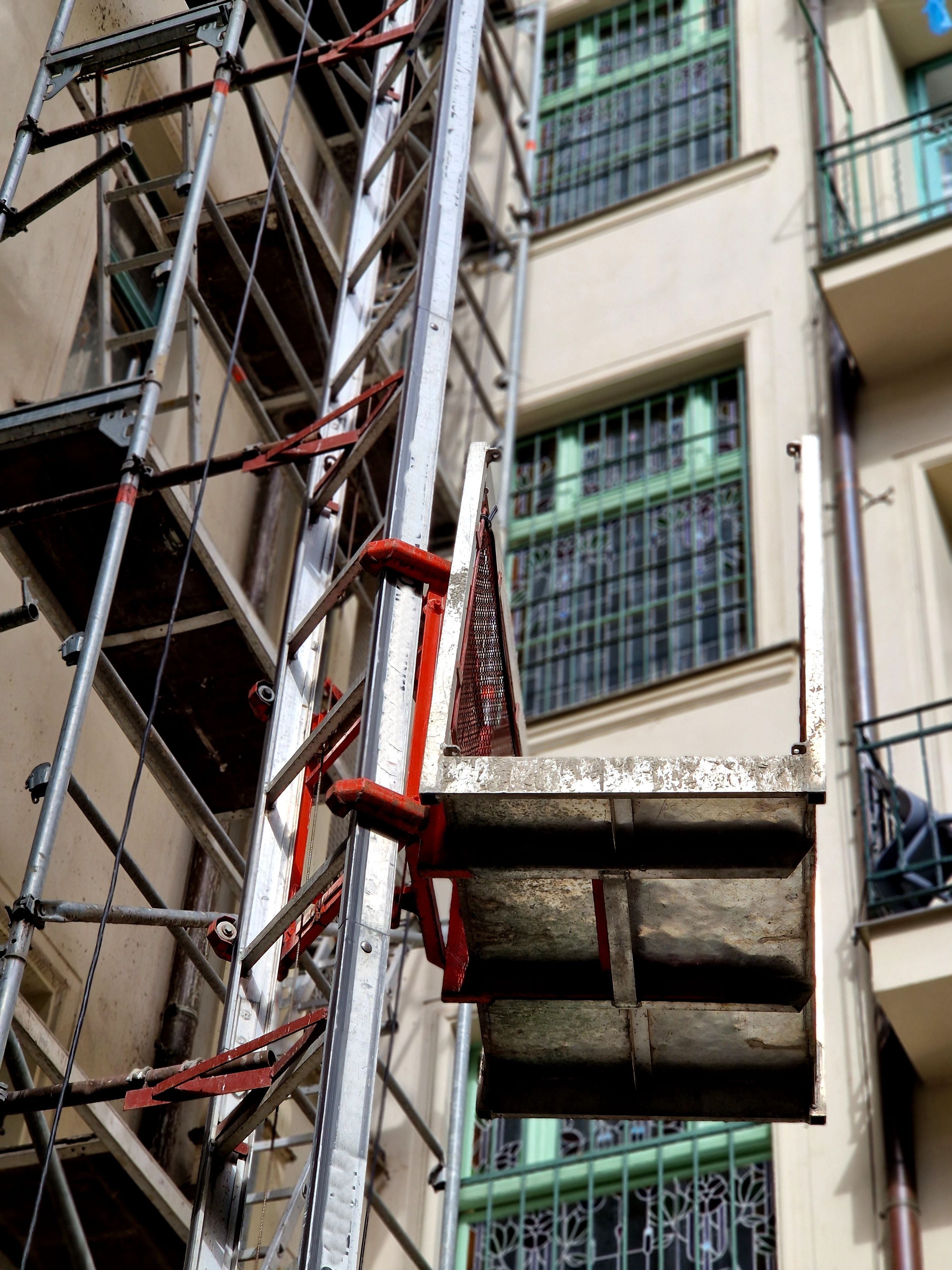
A common misconception is that only “high-risk” businesses need public liability insurance. In reality, public interaction itself creates liability.
Examples include:
· Customers entering premises
· Visitors attending meetings or inspections
· Members of the public walking past work sites
· Neighbouring properties affected by business activities
If a business creates an environment where someone else can be injured, or their property damaged, liability exposure exists — regardless of how careful the business believes it is.
Public liability insurance exists specifically to address this exposure.
Why Construction and Scaffolding Businesses Are Treated Differently
While most Australian businesses benefit from public liability insurance, construction and scaffolding businesses are assessed far more conservatively by insurers.
This is because:
· Work is often performed at height.
· Temporary structures are involved.
· Sites are shared with multiple parties.
· Public access is frequently nearby or unavoidable.
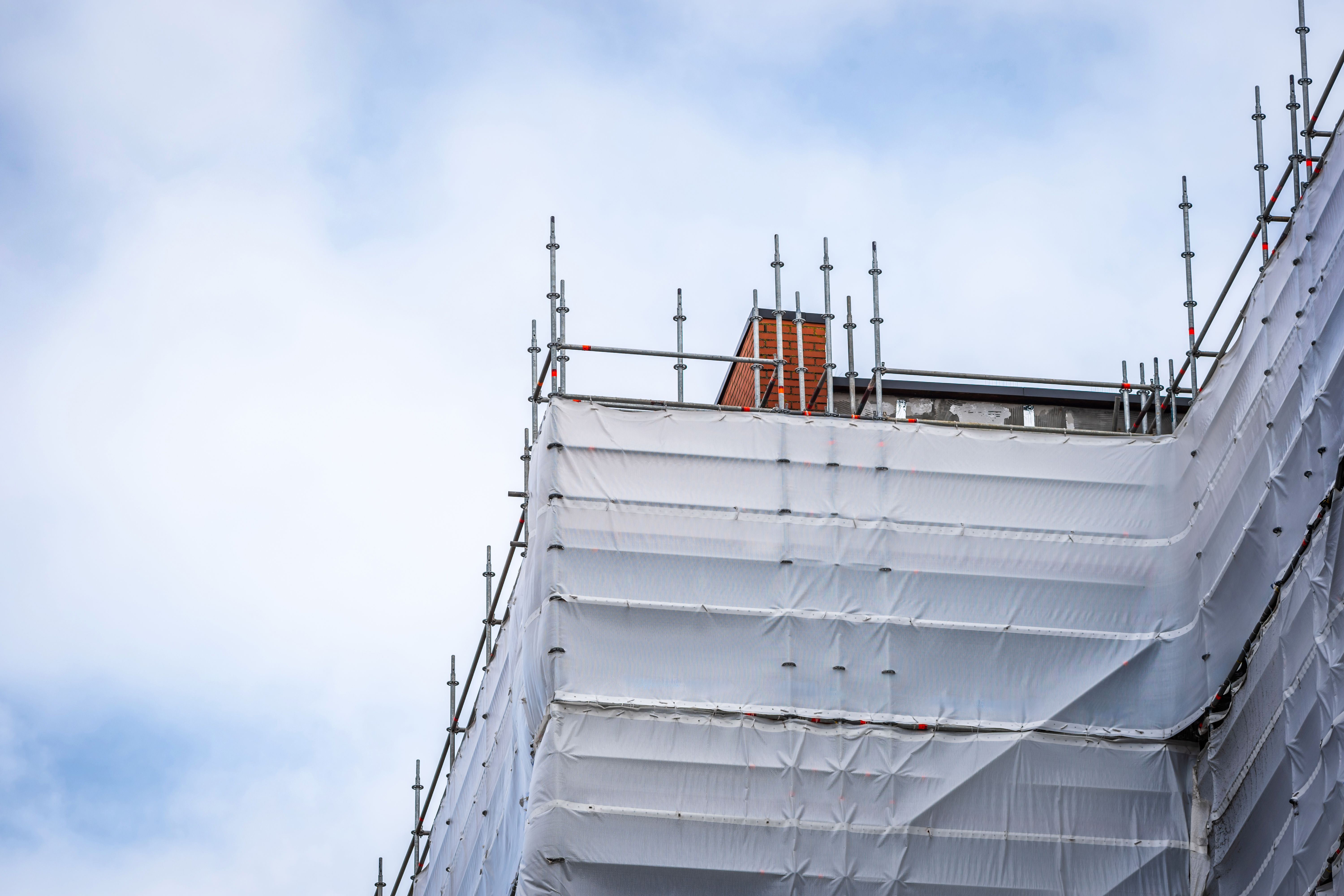
For scaffolding businesses in particular, the potential severity of claims is significantly higher. Falling objects, unauthorised access, and structural failures can result in serious injury or major property damage. Even where safety procedures are followed, the inherent risk remains.
As a result, insurers apply:
· Higher minimum policy limits
· Stricter underwriting criteria
· More detailed disclosure requirements
This is not punitive — it reflects the real-world consequences of incidents in these environments.
Contractual and Commercial Requirements
In practice, public liability insurance is often required not by law, but by contract.
Common examples include:
· Construction contracts and subcontractor agreements
· Council permits and approvals.
· Commercial lease agreements
· Principal contractor onboarding processes
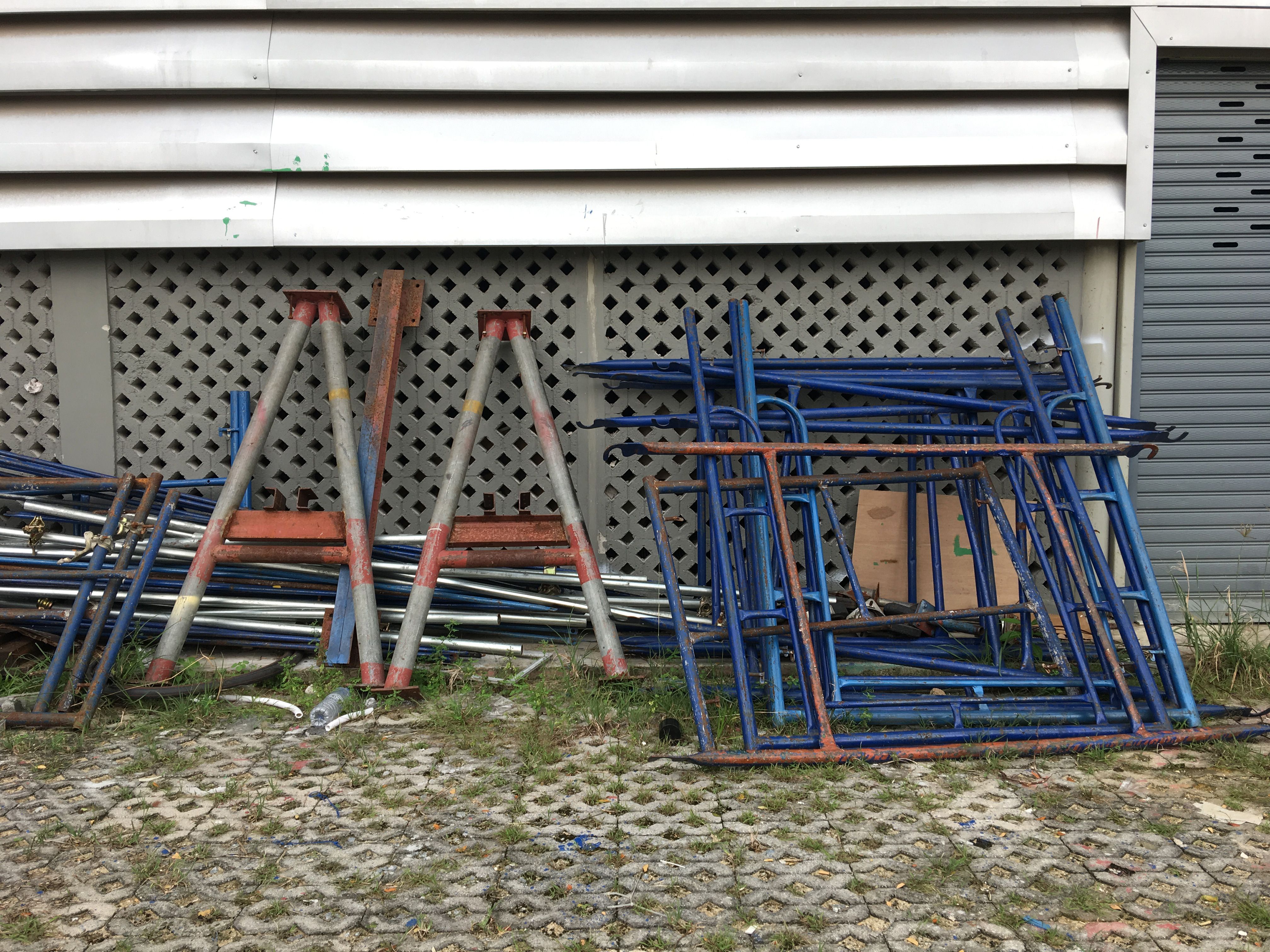
For scaffolding businesses, public liability insurance is almost always non-negotiable. Principal contractors and builders will not permit access to the site without proof of cover, often with minimum limits of $10 million or $20 million.
Failing to meet these requirements can result in:
· Lost contracts
· Site exclusion
· Breach of agreement
· Termination of work
In this sense, public liability insurance becomes a commercial gateway — not just a risk management tool.
Sole Traders, Contractors, and Subcontractors
Public liability insurance is just as important for sole traders and subcontractors as it is for larger organisations.
In fact, sole operators often face greater personal exposure, because:
· Claims may extend to personal assets.
· There is no corporate buffer.
· Defence costs must still be paid.
Subcontractors are typically required to carry their own public liability insurance, even when working under a principal contractor who also holds cover. This is because liability is assessed based on who caused the loss, not who controls the site.
Relying on another party’s insurance is risky and frequently ineffective. Contracts almost always require each party to maintain its own cover.
Why “Low-Risk” Assumptions Are Dangerous
Some businesses assume they don’t need public liability insurance because:
· They rarely see customers.
· Their work is short-term.
· They’ve never had a claim.
This logic fails when tested. Liability does not depend on intent or history — it depends on outcomes. One unexpected incident can undo years of careful operation.
For scaffolding and construction-related businesses, even small jobs carry disproportionate risk due to height exposure and public proximity. The size of the project does not correlate with the size of claim.
Public liability insurance exists to protect against the unexpected, not just the obvious.
Why Accurate Disclosure Determines Eligibility
Whether a business can obtain public liability insurance — and whether that cover responds to a claim — depends on accurate disclosure.
Insurers assess:
· Nature of work performed
· Working environments
· Use of subcontractors
· Turnover and scale of operations
When disclosure is vague or incomplete, policies may be issued on incorrect assumptions. Those assumptions are revisited at claim time — often with unfavourable outcomes for the insured.
For higher-risk industries, transparency is not optional. It is the foundation of valid cover.
How Much Public Liability Insurance Do Australian Businesses Need?
One of the most common questions Australian business owners ask is: “How much public liability insurance is enough?” The short answer is that there is no universal figure. The right level of cover depends on exposure, industry, and contractual obligations — not on what feels reasonable or what costs the least.
For many businesses, selecting an inadequate limit is one of the most expensive mistakes they can make. Public liability insurance only protects up to the policy limit. Anything beyond that becomes the business’s responsibility.
Common Public Liability Insurance Limits in Australia
Across Australia, public liability insurance is typically offered with the following limits of indemnity:
· $5 million
· $10 million
· $20 million
These limits represent the maximum amount the insurer will pay for a claim or series of related claims, including legal defence costs and compensation payments.
Lower limits are sometimes acceptable for low-risk, non-public-facing businesses. However, once a business operates in public spaces, on third-party premises, or in higher-risk environments, higher limits are routinely required.
Why Construction and Scaffolding Businesses Require Higher Limits
For construction and scaffolding businesses, $10 million and $20 million limits are common — and often mandatory.
This is because:
· Claims involving height-related injuries are often severe.
· Legal defence costs escalate quickly.
· Incidents may affect multiple third parties.
· Property damage can be extensive.
Principal contractors, councils, and commercial clients frequently specify minimum limits in contracts and site access agreements. These requirements are non-negotiable. If a business cannot provide evidence of the required limit, work simply does not proceed.
Choosing a lower limit to save on premiums may result in:
· Contract breaches
· Loss of work
· Exposure beyond the policy limit if a serious claim occurs
Why $5 Million Is Often Not Enough
While a $5 million limit may appear substantial, it can be exhausted quickly once legal costs, investigation expenses, and compensation payments are combined.
In serious injury claims, costs can include:
· Ongoing medical treatment
· Loss of income claims
· Long-term care
· Legal proceedings spanning years.
Once the policy limit is reached, the insurer’s obligation ends. Any remaining costs fall directly on the business. This is why limits should be selected based on worst-case exposure, not best-case assumptions.
Contractual Requirements Override Personal Preference
A business’s preferred limit is irrelevant if contracts require more.
Common situations where higher limits are imposed include:
· Commercial construction projects
· Council permits and approvals.
· Infrastructure and public access works
· Large retail or industrial sites
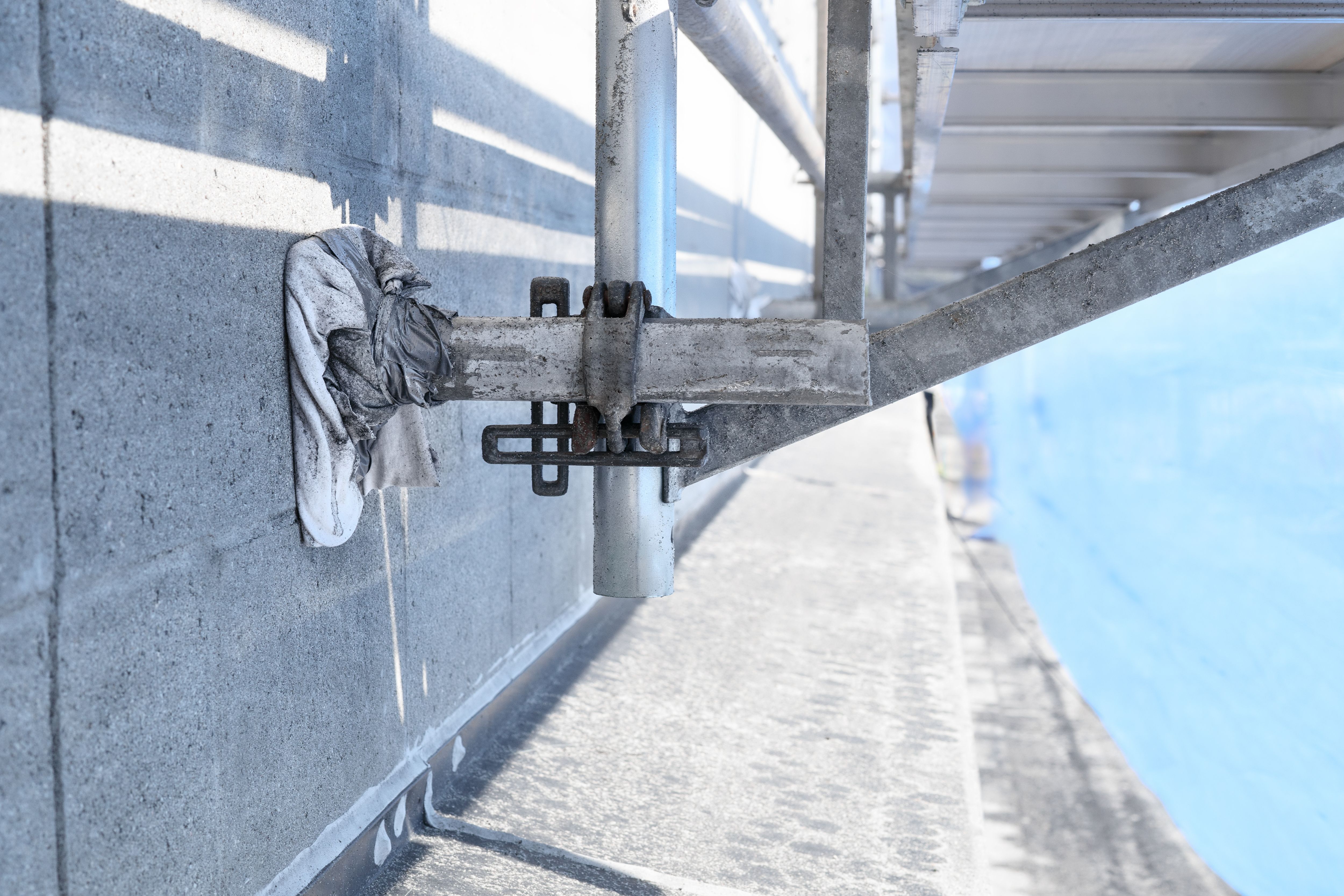
For scaffolding businesses, contracts often specify a minimum of $10 million or $20 million. Some even require evidence of reinstatement or aggregate limits, depending on the nature of the work.
Failing to meet these requirements can result in immediate exclusion from the site or termination of contracts.
Balancing Cost Against Real Exposure
It is natural for businesses to consider cost when selecting insurance limits. However, the price difference between limits is often far smaller than expected — especially when weighed against the financial consequences of underinsurance.
Increasing a limit from $10 million to $20 million often represents a modest premium increase relative to the additional protection gained. In contrast, being underinsured by $5 million or $10 million in a major claim can be catastrophic.
Public liability insurance should be viewed as capital protection, not an operating expense to minimise.
Why “Set and Forget” Limits Create Risk
As businesses grow, exposure changes. Turnover increases, project size expands, and work environments become more complex. Limits that were appropriate at inception may become inadequate over time.
Regular review is essential, particularly when:
· Taking on larger contracts
· Working in new environments
· Increasing public interaction
· Expanding into higher-risk activities
Public liability insurance must evolve with the business. Limits should be reassessed whenever operations change — not just at renewal.
Choosing Limits Based on Reality, Not Optimism
The most dangerous assumption in insurance is that a serious claim is unlikely. Claims are rare — but when they happen, they are unforgiving.
Australian businesses that select appropriate limits do so by asking:
· What is the worst realistic outcome?
· Who could be affected?
· How high could legal and compensation costs go?
For businesses operating in construction and scaffolding, those answers point consistently toward higher limits.
How Public Liability Insurance Is Priced (and Why Some Businesses Pay More)
Public liability insurance pricing in Australia is not arbitrary. Premiums are the result of underwriting — a structured assessment of how likely a business is to cause third-party injury or property damage, and how severe those claims could be if they occur. This is why two businesses with similar turnover can receive vastly different premiums, and why businesses operating in higher-risk environments are priced more conservatively.
Understanding what drives pricing helps business owners avoid surprises, assess quotes accurately, and structure coverage that reflects their actual risk.
Why There Is No “Standard” Price
There is no fixed cost for public liability insurance. Pricing varies because insurers are not selling a commodity — they are assuming risk. The more likely a claim is and the more expensive it could be, the higher the premium.
This is also why generic online estimates can be misleading. They often rely on simplified assumptions that do not capture the complexity of real-world operations, particularly for businesses working in public or construction-related environments.
Primary Factors That Influence Premiums
Insurers assess a combination of factors when pricing public liability insurance. While the weighting differs between insurers, the following elements are consistently considered.
1. Nature of Business Activities
The single biggest pricing driver is what the business actually does.
Low-risk activities such as office-based services or consulting attract lower premiums because the likelihood of third-party injury or property damage is minimal. In contrast, physical trades, construction, and height-related work carry a far greater risk profile.
Activities involving:
· Physical labour
· Temporary structures
· Public access
· Work at height
are priced higher because the potential severity of claims is significantly greater.
2. Working Environment and Public Exposure
Where the work is performed matters just as much as the work itself.
Insurers assess:
· Whether work is carried out on public footpaths or roads
· Proximity to pedestrians or occupied buildings
· Whether sites are secured or accessible to the public
· Frequency of interaction with non-workers
Businesses operating in busy public or commercial environments face a higher likelihood of third-party claims, which directly affects premium levels.
3. Annual Turnover
Turnover is used as a proxy for exposure. Higher turnover generally means:
· More jobs completed
· More sites accessed
· Greater opportunity for incidents
However, turnover does not operate in isolation. A lower-turnover business in a high-risk activity can pay more than a higher-turnover business in a low-risk industry. Turnover sets the base — activity defines the risk.
4. Claims History
Past claims are one of the strongest indicators of future risk.
Insurers review:
· Number of claims
· Type of claims
· Severity and cost
· How recently claims occurred
A clean claims history can improve pricing and insurer appetite. Frequent or severe claims can result in higher premiums, reduced limits, or difficulty obtaining cover at all.
5. Use of Subcontractors and Labour Hire
Engaging subcontractors or labour hire workers introduces additional complexity. Liability can arise not only from the business’s direct actions, but also from those performing work on its behalf.
Insurers typically assess:
· Whether subcontractors carry their own insurance
· Level of supervision and control
· Contractual arrangements
· Payment amounts
Poorly managed subcontractor arrangements increase perceived risk and can drive premiums upward.
Why Higher-Risk Businesses Are Priced Conservatively
Insurers' prices are based on worst-case outcomes, not average ones. In higher-risk environments, a single incident can generate claims that exceed the annual premium many times over.
From an underwriting perspective:
· Serious injury claims are unpredictable.
· Legal defence costs escalate quickly.
· Multiple parties may be involved.
· Liability disputes can last for years.
Premiums reflect the financial exposure the insurer is taking on — not just the likelihood of a minor incident.
How Accurate Information Keeps Premiums Sustainable
One of the most effective ways to control pricing is accuracy. When insurers receive clear, detailed, and honest information, they can price the risk correctly from the outset.
Vague or incomplete disclosures often result in:
· Conservative default pricing
· Restrictive policy terms
· Increased scrutiny at claim time
Ironically, trying to “simplify” disclosures to obtain cheaper premiums often results in higher long-term costs when cover proves inadequate or claims are challenged.
Price vs Protection: The Wrong Trade-Off
Public liability insurance should not be purchased on price alone. A cheaper policy that excludes key activities or carries insufficient limits creates the illusion of protection without delivering it.
The true cost of public liability insurance is revealed only when a claim occurs. At that point, premium savings are irrelevant — coverage certainty is everything.
How to Buy Public Liability Insurance the Right Way (and Avoid Costly Mistakes)
Buying public liability insurance in Australia is not difficult. Buying the right public liability insurance is where most businesses go wrong. The difference is rarely price — it’s accuracy, alignment, and understanding how insurers assess risk.
Many businesses believe they are protected because a policy exists. In reality, protection only exists when the policy reflects what the business actually does, where it operates, and how exposure changes over time. This section explains how Australian businesses can approach public liability insurance properly — and avoid the mistakes that only surface when a claim is made.
Start With Reality, Not Assumptions
The first step in buying public liability insurance is brutally simple: describe the business exactly as it operates today.
Insurers rely on disclosure to assess risk. That means being clear about:
· The nature of the work performed.
· Where work is carried out
· How the public may be exposed
· Whether subcontractors are used
· The scale and frequency of operations
Problems arise when businesses downplay activities, assume something is “standard,” or describe what they mostly do rather than what they sometimes do. Insurance is priced and structured around worst-case exposure, not typical days.
Understand That Policy Wording Matters More Than the Schedule
Many business owners only read the policy schedule—the page that shows the insured name, limit, and premium. The real protection sits in the policy wording.
This is where insurers define:
· What activities are covered
· What exclusions apply
· How claims are assessed
· What conditions must be met?
Two policies with the same limit can respond very differently to the same claim. Assuming all public liability insurance works the same way is one of the most expensive mistakes a business can make.
Avoid Generic or “One-Size-Fits-All” Cover
Generic public liability insurance is designed for broad appeal rather than specific risk. While it may suit low-risk businesses, it often fails when applied to operations involving physical work, public access, or complex environments.
Businesses that operate outside office-based or retail settings should be cautious about policies that:
· Oversimplify activity descriptions
· Apply broad exclusions
· Do not address how work is actually performed.
Public liability insurance must reflect operational reality, not marketing categories.
Match Limits to Exposure — Not Budget
Selecting a limit based on affordability rather than exposure is a false economy. The cost difference between limits is often marginal compared to the potential uninsured loss if a claim exceeds the policy cap.
When deciding limits, businesses should consider:
· Where work is performed
· Who could be affected?
· How severe an injury or damage could realistically be
· What contracts require
Choosing the lowest available limit may satisfy a short-term budget but creates long-term vulnerability.
Review Contracts Before Finalising Cover
Contracts often impose liability obligations that extend beyond common-law negligence. If a business signs contracts with indemnities, warranties, or heightened responsibility, public liability insurance may not automatically respond.
Before finalising cover:
· Review contractual obligations
· Identify liability assumptions
· Ensure insurance aligns with those responsibilities.
Insurance should support contracts — not contradict them.
Keep Disclosure Updated as the Business Evolves
Public liability insurance is not static. Businesses change, grow, and adapt — and insurance must keep pace.
Disclosure should be updated when:
· New types of work are undertaken.
· Projects increase in size or complexity.
· Operations move into public or commercial environments.
· Subcontracting arrangements change
Failure to update insurers can leave businesses insured for yesterday’s risk, not today’s exposure.
Why Advice Matters More Than Speed
Public liability insurance can often be arranged quickly. Speed, however, should never replace accuracy.
The businesses that fare best at claim time are those that:
· Took time to disclose properly
· Asked how coverage actually works
· Understood exclusions before incidents occurred
Insurance is not tested at purchase — it is tested under pressure. Decisions made early determine outcomes later.
Buying Public Liability Insurance Is a Risk Decision, Not an Administrative Task
Treating public liability insurance as a compliance exercise misses the point. It is a financial risk decision that directly affects business survival.
When structured correctly, public liability insurance provides certainty. When rushed or misunderstood, it creates false confidence, and false confidence is dangerous.
Public Liability Insurance FAQs (Australia-Specific Answers)
This section addresses the most common questions Australian business owners ask about public liability insurance. The answers are based on how public liability insurance operates in practice, not on assumptions or marketing language. Each response is framed to reflect real-world application and common insurer requirements across Australia.
Is public liability insurance compulsory in Australia?
Public liability insurance is not compulsory under Australian law for every business. However, in practice, it is often mandatory due to contractual, licensing, or access requirements. Councils, landlords, principal contractors, and commercial clients routinely require evidence of public liability insurance before allowing work to commence. Without it, many businesses cannot legally or commercially operate.
What does public liability insurance actually cover?
Public liability insurance generally covers a business’s legal liability for:
· Injury to third parties
· Damage to third-party property
arising from insured business activities. It also covers legal defence costs associated with claims, subject to policy terms, conditions, and exclusions.
Does public liability insurance cover subcontractors?
Public liability insurance typically covers liability arising from the insured business’s own operations. Subcontractors are generally expected to carry their own insurance. If a subcontractor causes injury or damage, responsibility may rest with the subcontractor, the principal, or both, depending on the circumstances and the contracts involved. Relying on another party’s insurance is risky and often ineffective.
Does public liability insurance cover work off-site or at client locations?
Public liability insurance can cover work performed away from the insured’s premises, provided those activities were disclosed and accepted by the insurer. Off-site work is common across many industries, but coverage depends entirely on how the business activities were described at policy inception.
How much public liability insurance do Australian businesses usually need?
Common limits in Australia are $5 million, $10 million, and $20 million. The appropriate limit depends on industry, public exposure, contractual obligations, and potential severity of claims. Construction and scaffolding-related activities frequently require $10 million or $20 million due to the higher risk involved.
How quickly can public liability insurance be arranged?
Public liability insurance can often be arranged quickly once accurate information is provided. However, higher-risk activities may require additional underwriting review. Speed should never replace accuracy, as incorrect disclosure can compromise coverage at claim time.
What happens if a business doesn’t have public liability insurance?
Without public liability insurance, a business is personally responsible for all legal defence costs, compensation payments, and associated expenses arising from third-party claims. A single incident involving third-party injury or property damage could place your business under significant financial pressure, potentially risking loss of assets or even insolvency if you are not adequately insured, according to Allianz Australia.
Public liability insurance from Allianz Australia covers third-party injury, property damage, and legal fees that arise from your current business activities.
Public liability insurance generally operates on an occurrence basis, meaning it responds to incidents that occur during the policy period, even if claims are made later. However, coverage depends on the policy wording and whether the activity was insured at the time the incident occurred.
Why are claims sometimes denied even when insurance exists?
Claims are most commonly denied due to:
· Non-disclosure or misrepresentation of activities
· Exclusions within the policy wording
· Activities falling outside the insured scope
· Breach of policy conditions
Insurance exists to cover disclosed, accepted risk — not assumptions.
Is public liability insurance enough on its own?
Public liability insurance is essential, but it does not cover every risk. Depending on the business, additional insurance types may be required to address employee injuries, property damage, or contractual obligations. Public liability insurance should form part of a broader risk management approach.
Conclusion
Public liability insurance is not a technical formality or a box to tick. For Australian businesses, it is one of the most consequential protections they will ever put in place. When a third party is injured, or their property is damaged, liability escalates quickly — legally, financially, and emotionally. In those moments, the quality and accuracy of a public liability insurance policy matters far more than its price.
Throughout this guide, one message is consistent: public liability insurance only works when it reflects reality. Policies that look sufficient on paper can fail if activities are not disclosed correctly, limits are too low, or exclusions apply. This gap between expectation and reality is where many businesses are caught out — often when the stakes are highest.
For businesses operating in construction, height-related work, or public-facing environments, the margin for error is especially narrow. Scaffolding work, in particular, entails elevated exposure due to temporary structures, public proximity, and complex site dynamics. In these environments, public liability insurance is not optional protection — it is a core pillar of responsible operation and long-term sustainability.
Key Takeaways for Australian Businesses
Before moving forward, it is worth reinforcing the most important points:
· Public liability insurance protects against third-party injury and property damage claims.
· Legal defence costs can be as financially damaging as compensation payments.
· Not all activities are automatically covered — disclosure is critical.
· Policy limits must reflect worst-case exposure, not best-case assumptions.
· Contractual requirements often dictate minimum cover levels.
· Generic or unsuitable policies create false confidence.
When public liability insurance is structured correctly, it provides certainty. When it is misunderstood or poorly arranged, it becomes an expensive illusion.
Why Acting Early Matters
Public liability claims rarely come with a warning. Businesses that delay reviewing their cover often do so because nothing has gone wrong yet. Unfortunately, insurance is one of the few areas where timing matters most before an incident occurs.
Once a claim arises, it is too late to correct:
· Inadequate limits
· Incorrect disclosures
· Excluded activities
The businesses that withstand serious claims are not luckier — they are better prepared.
A Practical Next Step
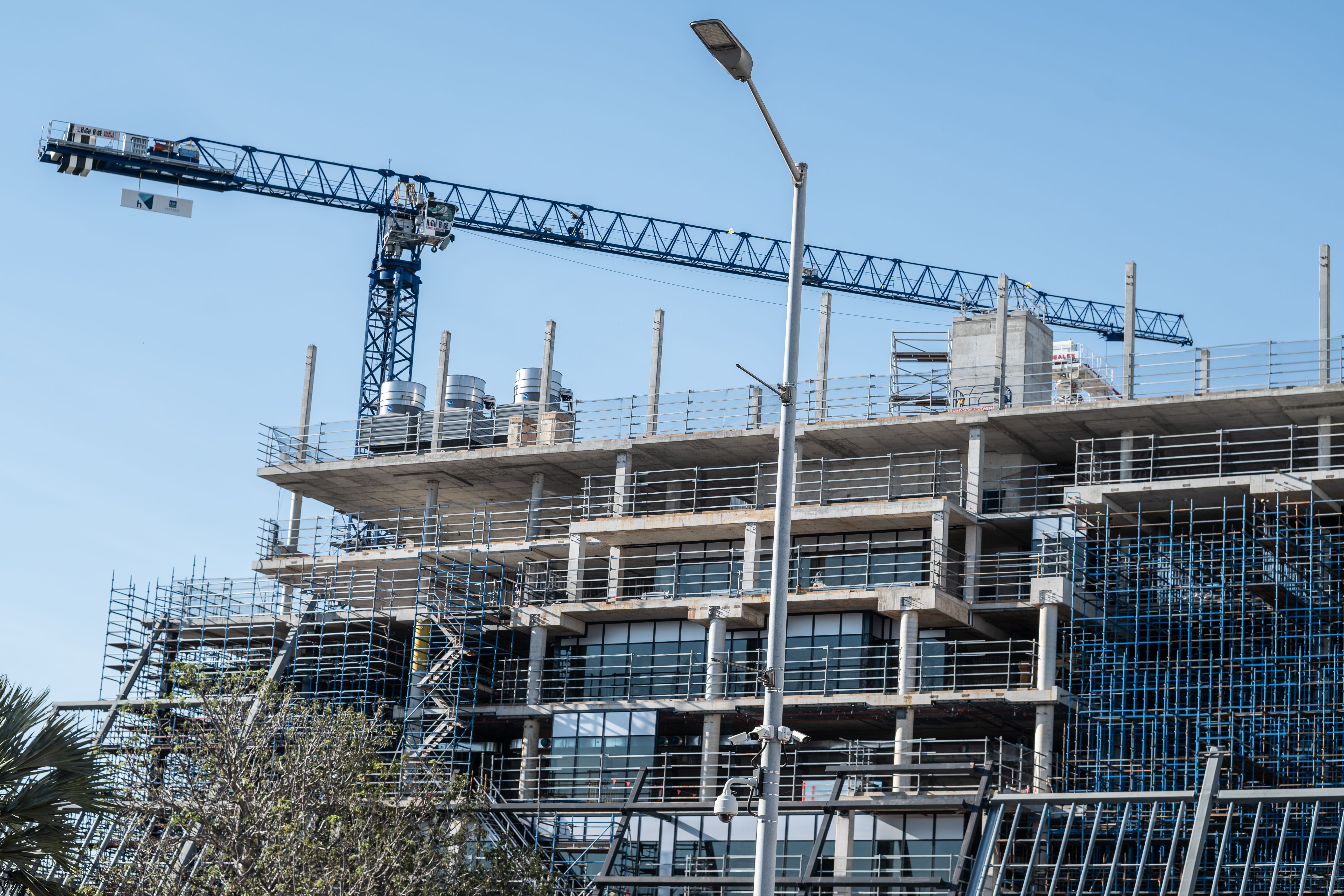
If your Scaffolding business interacts with the public, works on third-party property, or operates in higher-risk environments, now is the right time to review your public liability insurance.
Ask yourself:
· Does the policy reflect what we actually do?
· Are our limits aligned with our real exposure?
· Would this cover stand up to a serious claim?
For businesses involved in scaffolding or construction-related work, generic cover is rarely enough. Public liability insurance must be structured with an understanding of height exposure, site access, and Australian contractual expectations.
👉 Request a tailored public liability insurance review
Ensure your cover reflects your actual operations—not assumptions.
👉 Speak with a specialist who understands scaffolding insurance and public liability risk
Get advice that aligns with Australian contracts, insurers, and on-site realities.
The right public liability insurance does more than protect your balance sheet.
It protects your business, your reputation, and your future.