How to Get Cheaper Scaffolding Insurance: Proven Ways to Lower Premiums in Australia (2026 Guide)
Ja
Scaffolding insurance is one of the most misunderstood cost centres in the Australian construction industry. Many scaffolders assume high premiums are unavoidable, that insurers “just don’t like scaffolding,” or that the only way to reduce costs is to cut cover or switch insurers every year.
That thinking is exactly why many scaffolding businesses overpay.
How to Get Cheaper Scaffolding Insurance: Proven Ways to Lower Premiums in Australia (2026 Guide) explains, in clear terms, how insurers actually price scaffolding risk, why some scaffolders pay far more than others, and what genuinely works when trying to reduce premiums — without exposing your business to dangerous gaps in cover.
This guide is written specifically for Australian scaffolders, using Australian insurance market logic, underwriting criteria, and industry risk factors. It is not theory. It reflects how premiums are assessed in practice and how scaffolders who understand the system consistently secure better outcomes.
Why Scaffolding Insurance Is Expensive in Australia (and Why That’s Only Part of the Story)
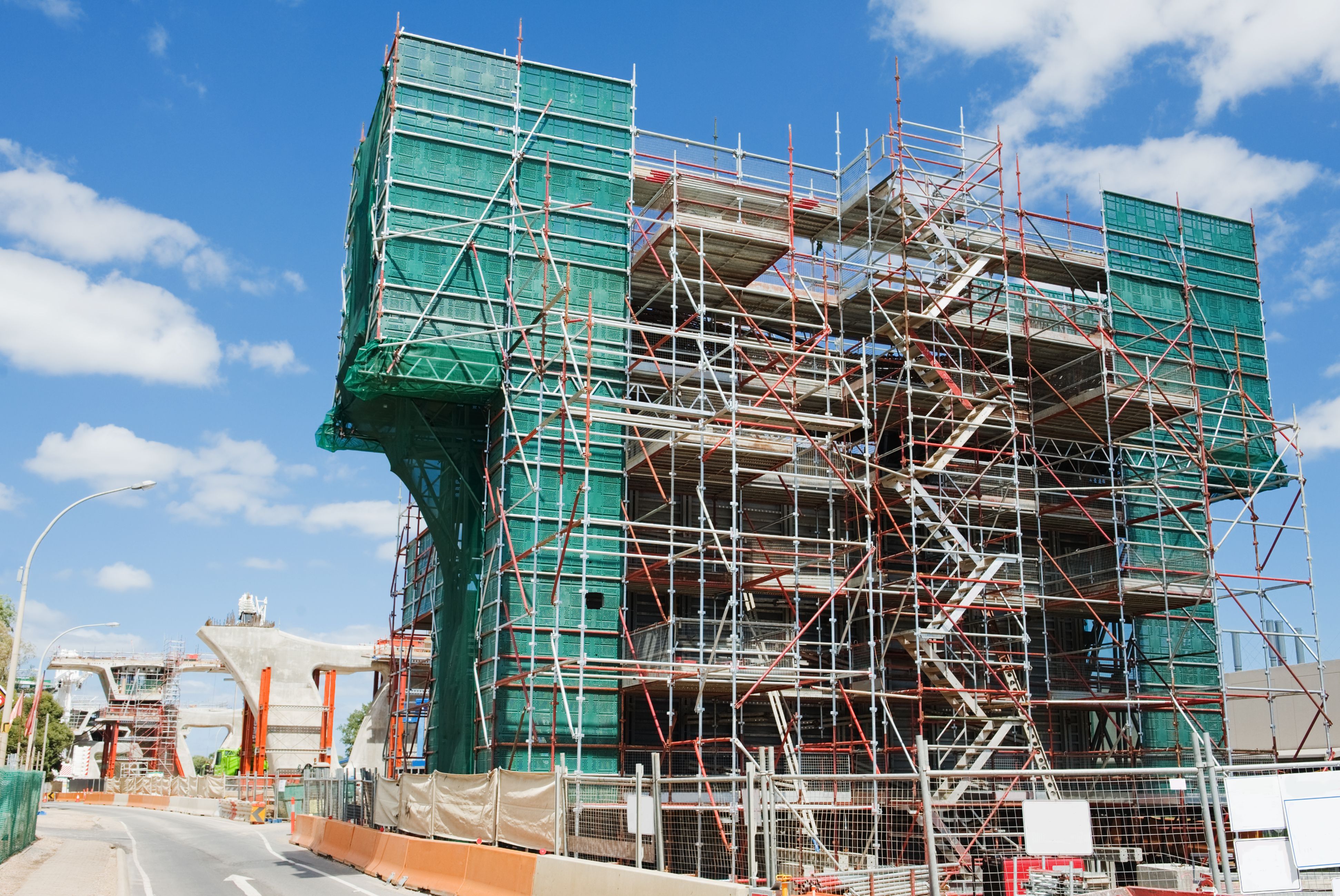
Scaffolding is consistently classified by insurers as a high-risk trade. That classification alone explains why premiums start higher than many other construction activities — but it does not explain why two scaffolders doing similar work can receive dramatically different quotes.
The key reason scaffolding insurance is expensive is severity, not frequency.
When scaffolding claims occur, they often involve:
· Serious injury
· Extended recovery periods
· Complex legal disputes
· Multiple parties (builders, developers, councils, subcontractors)
From an insurer’s perspective, scaffolding claims can escalate quickly. This is why public liability insurance, in particular, is priced conservatively for scaffolders.
However, insurers do not treat all scaffolders the same. They differentiate aggressively based on:
· Height exposure
· Type of scaffolding work
· Level of public interaction
· Claims history
· Risk management controls
· Accuracy of disclosures
This is the first major insight scaffolders need to understand:
Scaffolding insurance premiums are conditional, not fixed.
Learn the information at this U…
How Insurers Actually Calculate Scaffolding Insurance Premiums
To reduce premiums, scaffolders must first understand how insurers think. Insurance pricing is not arbitrary. It follows a structured assessment of exposure, likelihood, and potential loss size.

Height Exposure: The Single Biggest Pricing Lever
Height is one of the most heavily weighted factors in scaffolding insurance pricing.
Insurers assess:
· Maximum height worked at
· How frequently that height is reached
· Whether work exceeds internal underwriting thresholds
· Whether height is occasional or routine
Businesses that fail to clearly define height exposure force insurers to assume worst-case scenarios. This alone can add thousands of dollars to a premium.
Scaffolders who clearly state:
· Typical working heights
· Maximum heights
· Controls used at higher elevations
are consistently priced more accurately — and often more competitively.
Nature of Scaffolding Work
Not all scaffolding work presents the same level of risk.
Insurers distinguish between:
· Residential scaffolding
· Commercial scaffolding
· Long-term fixed scaffolding
· Complex access systems
· High-traffic public environments
Broad or vague descriptions push a business into higher-risk categories unnecessarily. Precise descriptions allow insurers to match risks to the appropriate appetite.

Claims History and Loss Experience
Claims history remains one of the strongest indicators of future risk.
Insurers examine:
· Number of claims
· Size of claims
· Time since last claim
· Whether claims reflect systemic issues or isolated events
Importantly, how claims are disclosed matters. Incomplete or inconsistent claims histories create uncertainty, which insurers price conservatively.
A clean, well-documented claims record is one of the most powerful tools for reducing premiums.
Turnover, Subcontractors, and Labour Hire
Turnover is not assessed in isolation. Insurers want to understand how revenue is generated.
They assess:
· Direct labour vs subcontracted labour
· Use of labour hire
· Control and supervision of workers
· Contractual arrangements on site
Clear breakdowns reduce perceived exposure and allow insurers to price risk with confidence rather than padding premiums for uncertainty.
Proven Ways to Get Cheaper Scaffolding Insurance in Australia
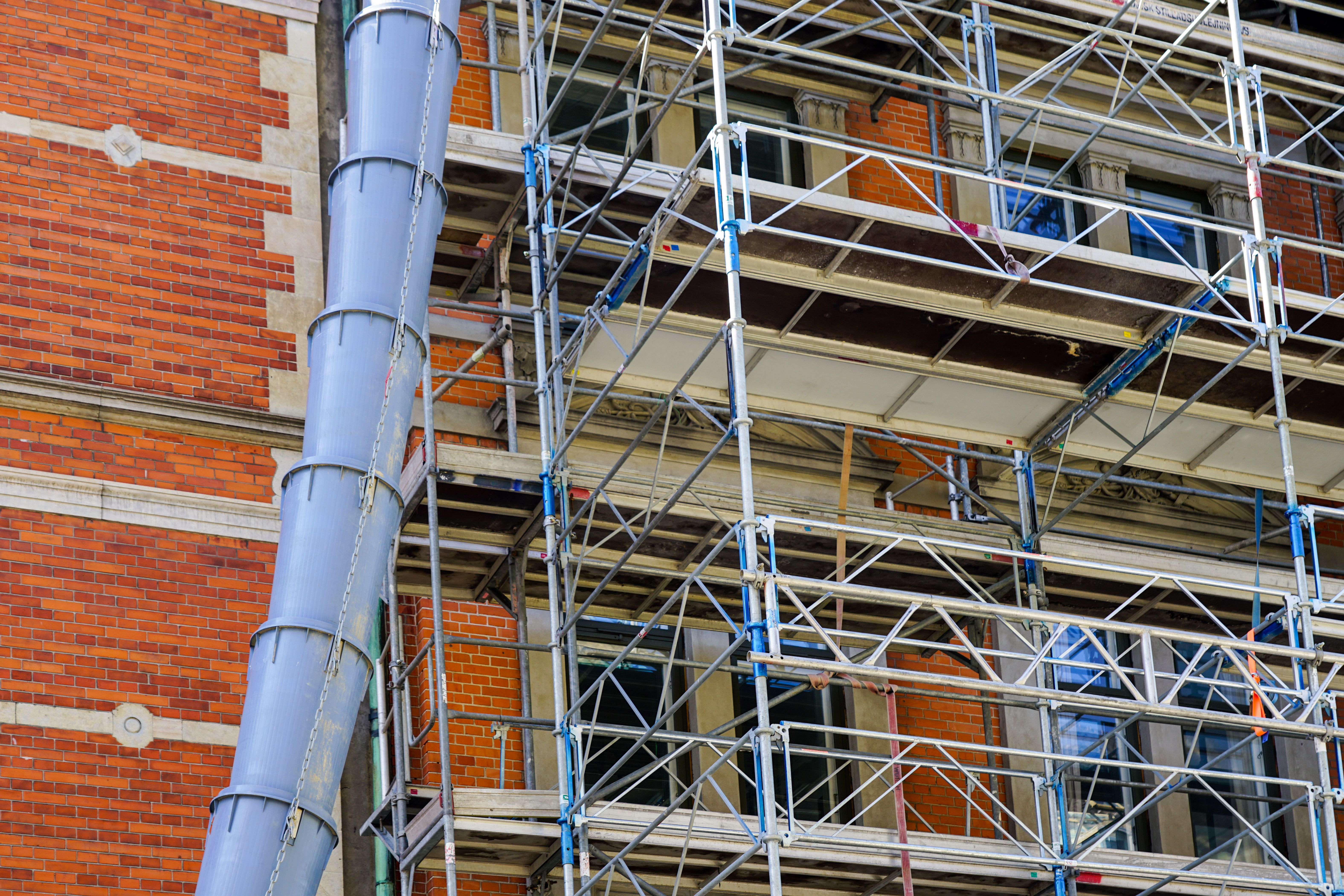
Lowering premiums is not about gaming the system. It is about aligning your business with how insurers assess risk.
1. Describe Your Business Precisely — Not Generically
One of the most common reasons scaffolders overpay is because their business is described too broadly.
Descriptions like:
· “Scaffolding services”
· “General scaffolding”
· “All types of scaffolding”
tell insurers nothing — so they assume everything.
Scaffolders who clearly define:
· Typical project types
· Height ranges
· Client profiles
· Nature of installs
are almost always priced more fairly.
2. Remove Unnecessary Risk Flags
Insurers penalise uncertainty.
Common avoidable red flags include:
· Missing height information
· Undefined subcontractor usage
· Unclear supervision arrangements
· Incomplete proposal forms
Completeness alone can materially impact pricing.
3. Demonstrate Risk Controls Insurers Actually Value
Insurers are not impressed by long policy manuals. They care about practical risk controls that reduce loss severity.
This includes:
· Clear safety procedures
· Evidence of site controls
· Documented compliance processes
The goal is not to overwhelm insurers — it is to reassure them.
4. Start the Renewal Process Early
Late renewals reduce choice.
Early engagement allows:
· Corrections to inaccurate data
· Access to more insurers
· Strategic positioning of the risk
This alone often leads to better pricing.
Public Liability Insurance: Why It Dominates Scaffolding Premiums
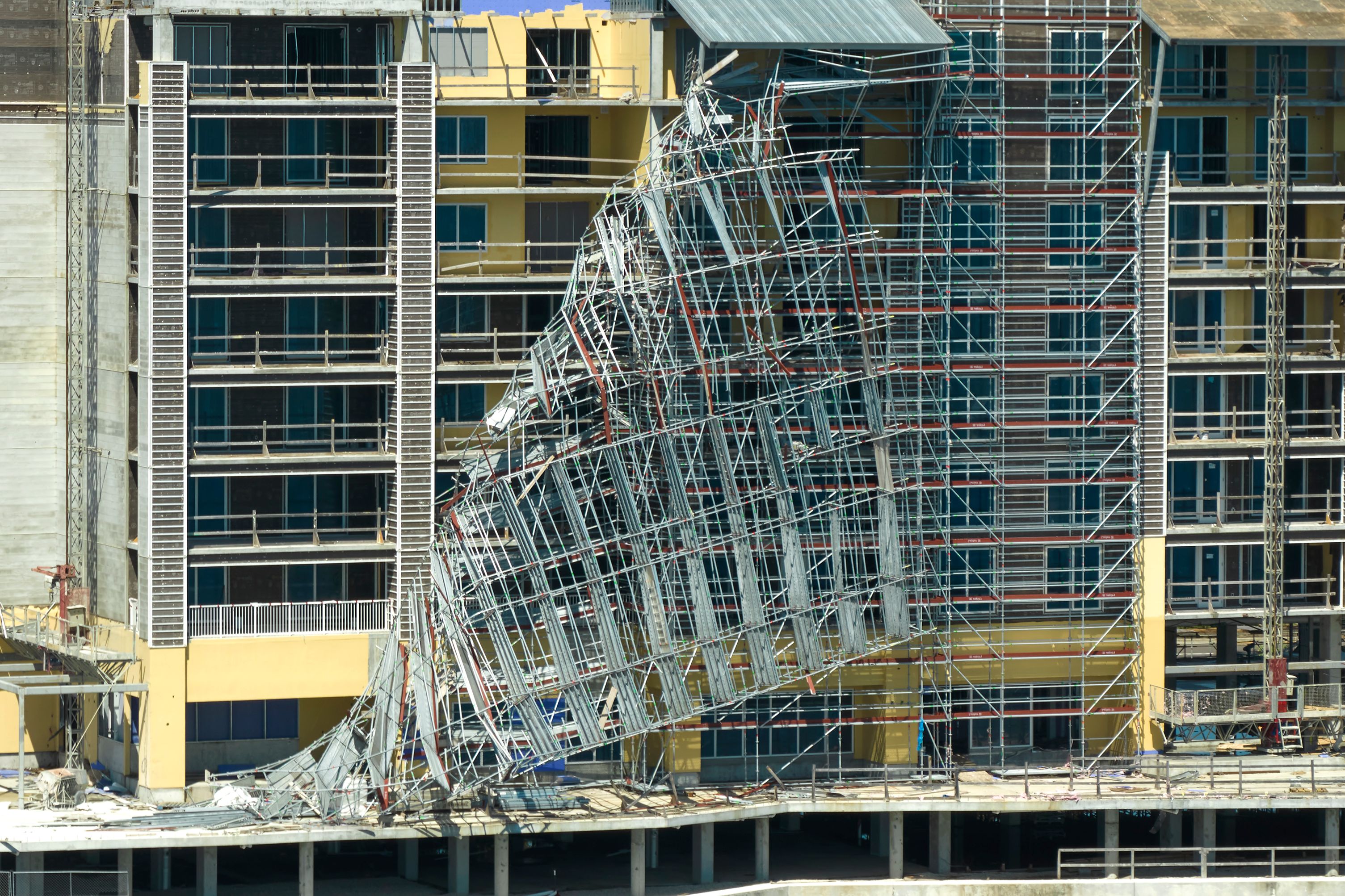
Public liability insurance is the core driver of scaffolding insurance cost in Australia.
Scaffolding claims often involve third parties, which exposes insurers to:
· Bodily injury claims
· Legal defence costs
· Extended litigation
Coverage Limits and Pricing
Higher limits increase insurer exposure, but inadequate limits can:
· Restrict insurer appetite
· Push risks into less competitive markets.
· Create long-term cost issues.
Balanced coverage structures often achieve better pricing outcomes than minimum-limit approaches.
Extensions and Endorsements
Policy extensions that align with actual business activities reduce disputes and claims escalation. This, in turn, improves insurer confidence over time.
How Documentation and Risk Presentation Reduce Premiums
Accurate Claims Histories
Even “nil claims” statements must be accurate and consistent.
Insurers cross-check information. Discrepancies undermine trust and increase pricing.
Clear Business Descriptions
Precision reduces assumptions. This directly impacts premiums.
Evidence of Compliance Culture
Insurers respond positively to scaffolders who demonstrate:
· Awareness of risk
· Proactive management
· Consistent processes
This does not mean over-documentation — it means relevance.
Why Using a Scaffolding-Focused Broker LIKE US Matters
Scaffolding is a specialised risk. Brokers unfamiliar with scaffolding often:
· Use generic markets
· Fail to challenge incorrect assumptions.
· Miss opportunities to reposition the risk
Specialist brokers:
· Understand insurer appetites
· Know how to present scaffolding risks.
· Advocate effectively during underwriting.
This often results in better pricing and stronger coverage, not just cheaper premiums.
Common Reasons Scaffolders Overpay for Insurance
Many scaffolders pay more than necessary due to:
· Accepting renewals without review
· Incomplete disclosures
· Poor timing
· Using brokers unfamiliar with scaffolding
None of these improve protection — they only increase cost.
What Cheaper Scaffolding Insurance Actually Looks Like in 2026
Cheaper insurance does not mean weaker insurance.
In 2026, sustainable premium reduction comes from:
· Accurate risk profiling
· Strategic insurer selection
· Ongoing risk alignment
Scaffolders who treat insurance as part of their risk management strategy consistently outperform those who treat it as a commodity.
FAQs: How to Get Cheaper Scaffolding Insurance in Australia
Can scaffolders really reduce insurance premiums?
Yes. Premiums are driven by risk presentation, not fixed industry averages.
Does working at height always mean higher premiums?
Height increases exposure, but clarity and controls significantly reduce pricing impact.
Is the cheapest policy the best option?
No. Underinsurance often leads to higher costs after claims.
Do claims permanently increase premiums?
Claims impact pricing, but time, transparency, and management matter.
Does using subcontractors increase premiums?
Not inherently, but in practice, often yes. What matters is control, supervision, and clarity.
Conclusion: Take Control of Your Scaffolding Insurance Costs
Cheaper scaffolding insurance in Australia is achievable, but only for businesses that understand how insurers assess risk.
The scaffolders paying the most competitive premiums are not gambling on cheap quotes. They are:
· Prepared
· Transparent
· Strategically positioned
If you want scaffolding insurance that reflects your actual risk, not worst-case assumptions, the path forward is clear.
Request a scaffolding insurance review today to identify where your premium can realistically be reduced — without sacrificing protection.
Share this guide with another scaffolder who is tired of overpaying and wants clear, practical answers about insurance in Australia.